






Don't miss a gem
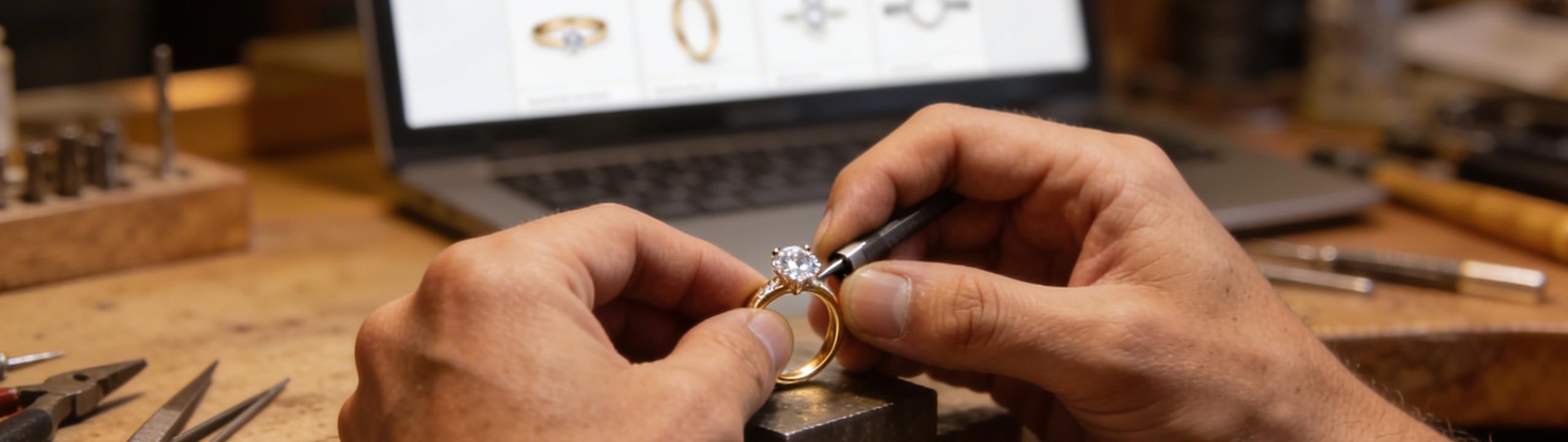
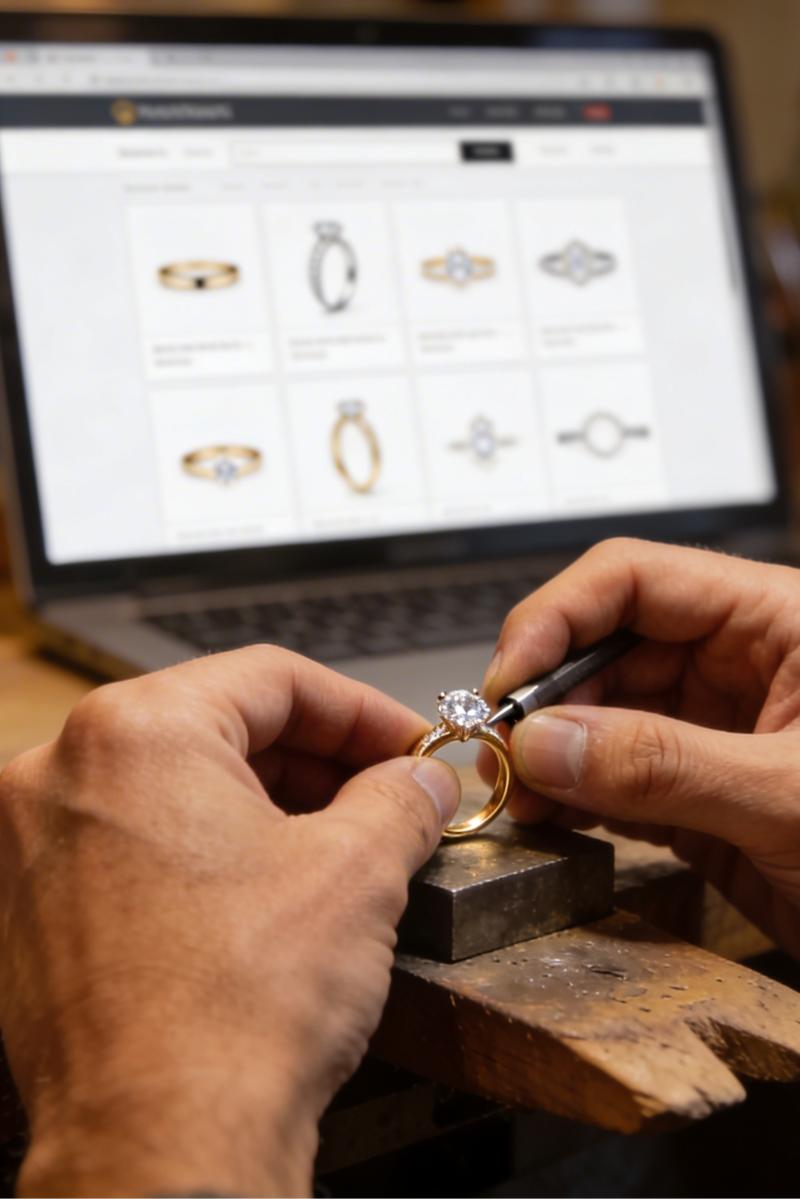
Why Most Jewellers’ Online Presence Doesn’t Match the Standard of Their Craft
Why many jewellers’ websites fail to reflect the quality of their craft — and how the digital storefront is now shaping trust before a customer ever steps inside

Walk into any independent jeweller’s showroom and you’ll find decades of expertise, carefully curated collections and a level of care that turns a purchase into a memory. Then visit their website. More often than not, the gap between the two is striking.
Today’s customer almost always encounters a jeweller online first. That first impression is where trust is built or lost - and right now, most jewellers are losing it before the conversation even begins.

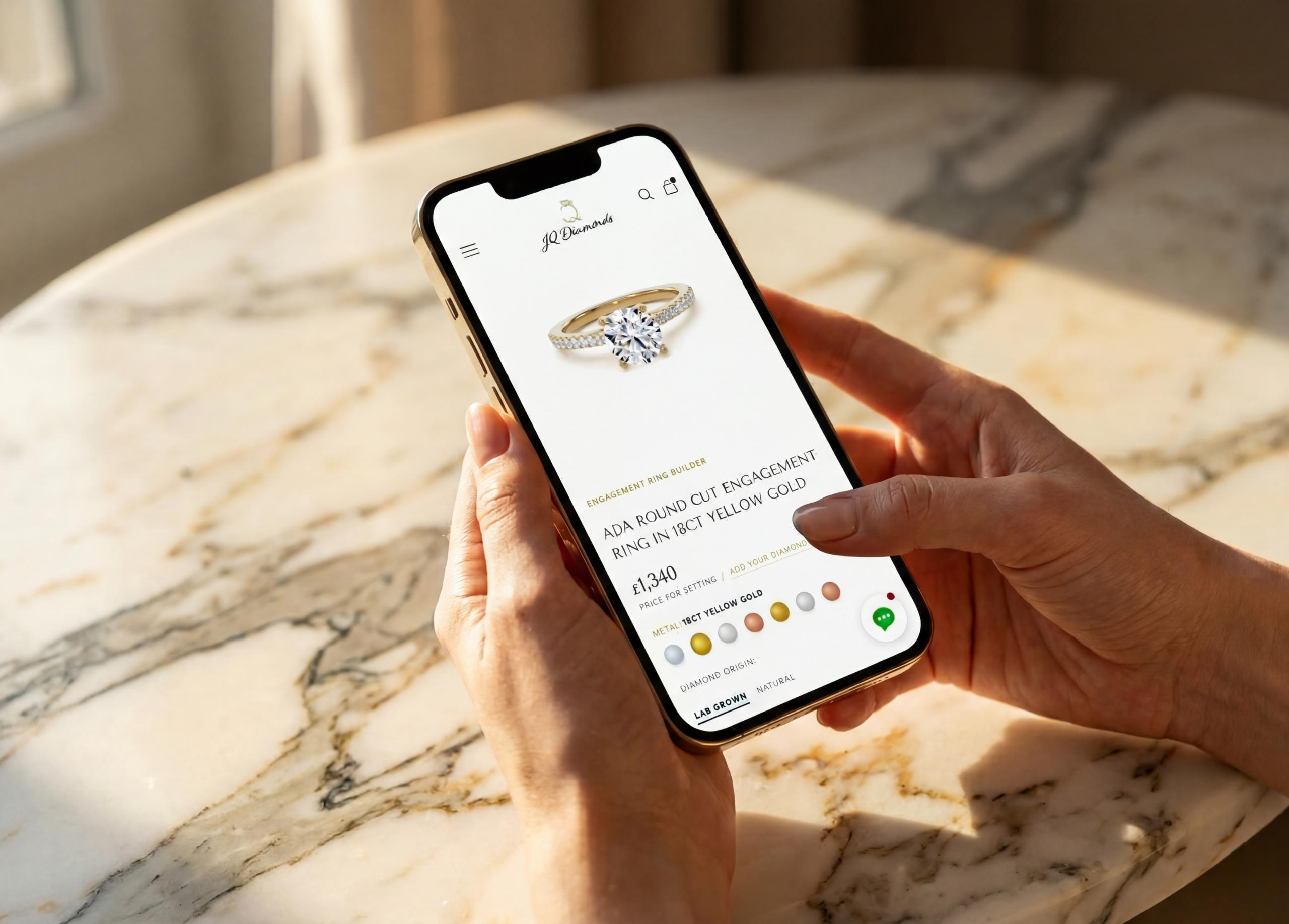
Most jewellers’ websites have been built by generalist agencies who treat jewellery the same way they’d treat fashion or homeware. The templates are the same, the checkout flows are the same, the product pages are structured the same way. But the purchase is completely different.
Someone buying a £5,000 engagement ring is not in the same mindset as someone adding trainers to a basket. The journey is longer, more emotionally charged, and involves a level of trust most e-commerce doesn’t need to earn. These customers are looking for reassurance - not countdown timers and promotional banners.
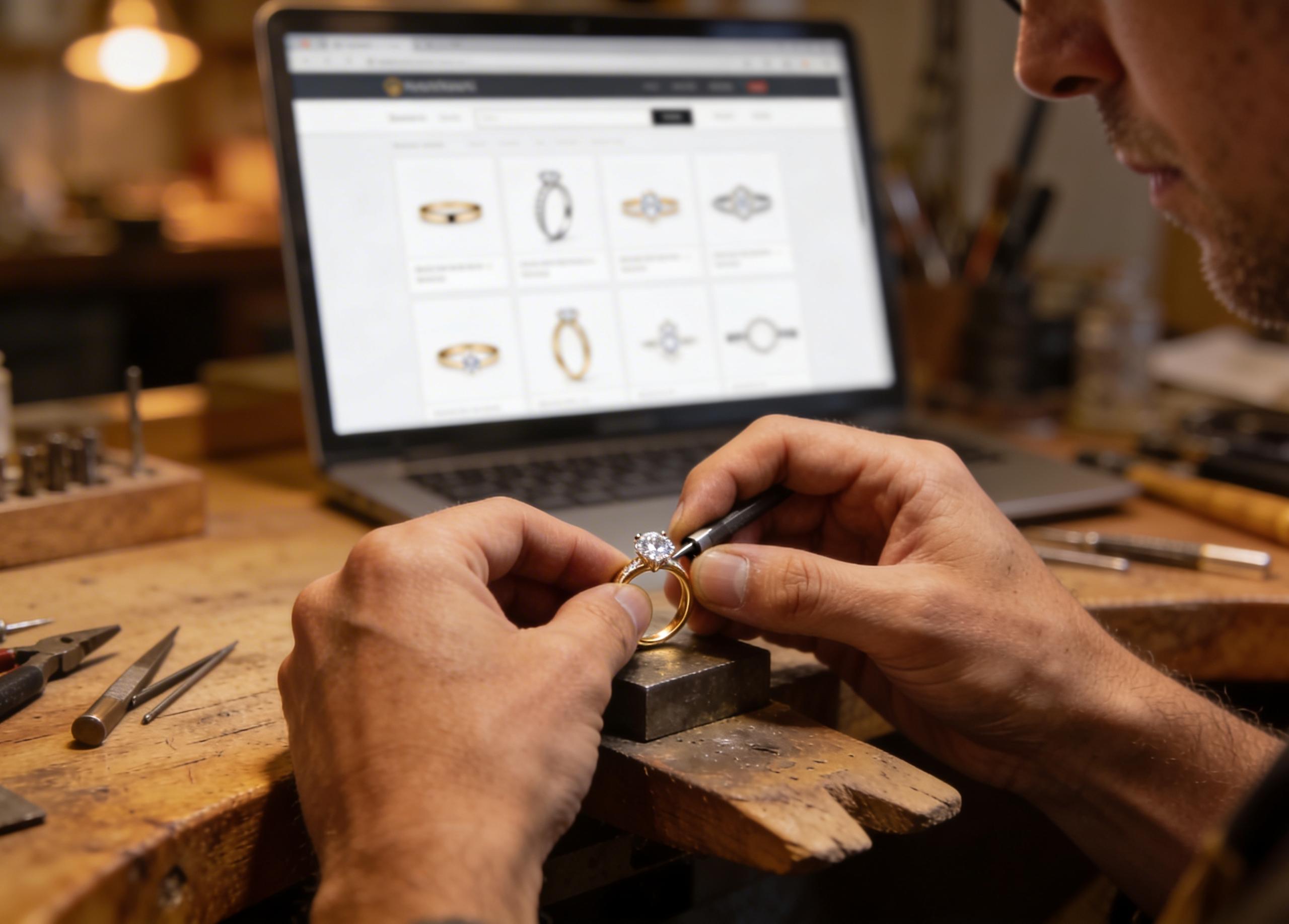
Having worked exclusively with jewellery businesses within Caether, the single biggest insight I can offer is this: the best-performing jewellery websites don’t feel like online shops. They feel like extensions of the showroom. That doesn’t happen by accident, and it doesn’t happen when the people building the site don’t understand the customer on the other side of the screen.
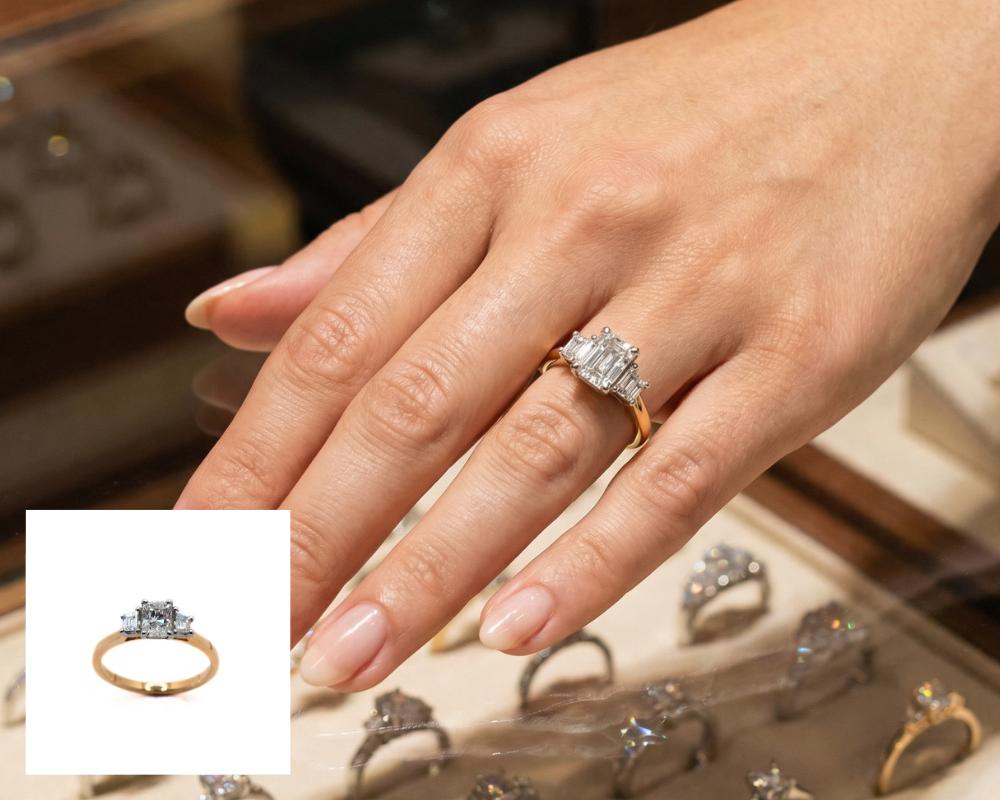
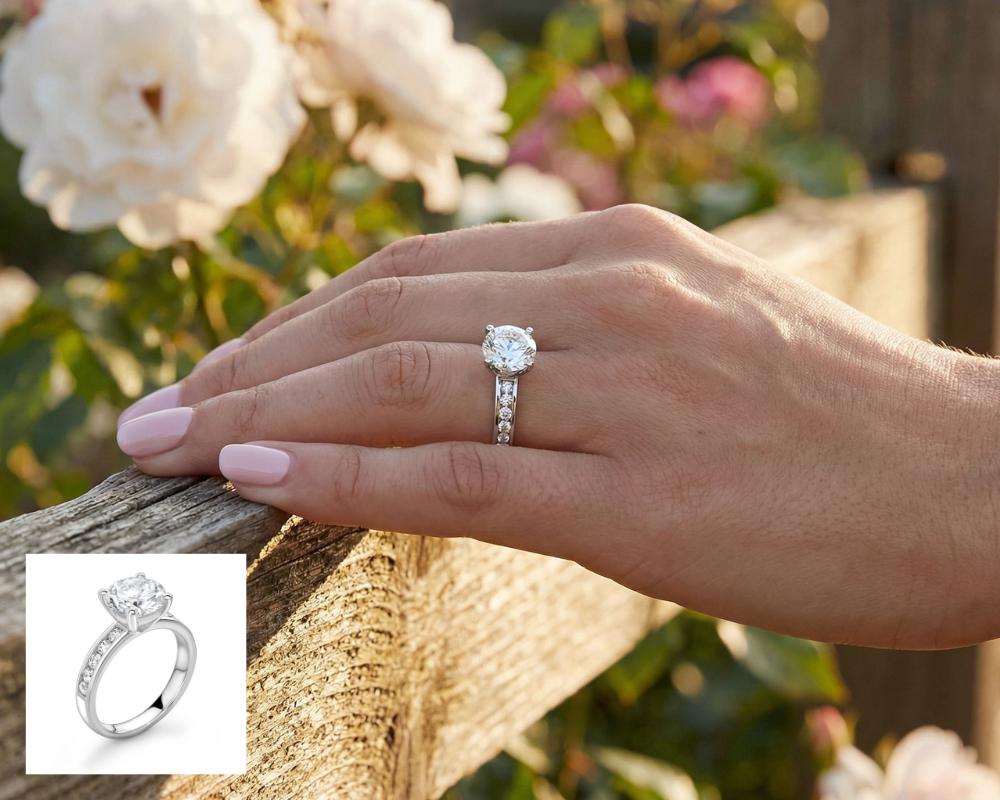
Ask any jeweller what holds their website back and photography will come up. They know a flat shot on a white background doesn’t convey the beauty of a piece the way seeing it in person does. But professional jewellery photography has always been expensive and logistically complicated, especially for independents.
That barrier no longer exists. AI-powered creative tools can now produce editorial-quality model shots, lifestyle imagery and campaign-level visuals from a single product image. The results are virtually indistinguishable from studio work, at a fraction of the cost and turnaround. The kind of imagery previously reserved for houses with significant creative budgets is now accessible to any jeweller who wants to present their pieces properly.
Customers spending serious money on jewellery need to feel something - the weight of a ring, the way a stone catches light, the intimacy of a piece against skin. That emotional response is what drives conversion, and it’s finally within reach for everyone.
A stunning website and a high-converting website are not automatically the same thing. The average UK e-commerce conversion rate sits around 1.5-2%, and jewellery typically falls at the lower end. Most jewellers accept this as normal. It isn’t. We’ve consistently achieved conversion rates of 3.5% and above for jewellery clients - over double the industry average.
The reason isn’t a secret formula. It’s attention to details that generalist agencies don’t think to look at. Where doubt creeps in during the buying journey. Where trust signals need to sit - not in a row of logos in the footer, but at the precise moment hesitation occurs. How product pages should answer the same questions a jeweller would answer face-to-face. Why checkout friction kills jewellery sales differently from any other category.
This comes from studying how real customers behave on real jewellery websites - heatmaps, session recordings, funnel analysis - then making the specific changes that have the biggest impact. The jewellers who treat their website as something to be continuously refined are the ones whose numbers climb. The ones who launch and leave it alone are the ones wondering why traffic isn’t translating into sales.
The Edge That Can’t Be Replicated
The large chains cannot offer what independent jewellers can - the personal service, the bespoke commissions, the generations of knowledge. That edge hasn’t changed. What has changed is that the tools to present yourself with the same polish are now available. The photography doesn’t need a six-figure budget. The conversion expertise doesn’t need to be learned from scratch.
But none of it works if the customer never gets far enough to discover what makes you different. If the storefront doesn’t match the craft, they go elsewhere - not because another jeweller is better, but because another jeweller simply looked better online.
The storefront gap is not inevitable. It’s a choice. And the barriers that once made it understandable are falling away.
About the Author
Ewan Duncanson is the founder of Caether, a UK-based digital atelier built exclusively for jewellers. Combining editorial-quality AI creative, conversion expertise and deep understanding of the jewellery industry, Caether crafts high-performing Shopify storefronts that close the gap between a jeweller’s craft and their digital presence. Certified Shopify, Google, and Meta partner.
For more, visit caether.co or email contact@caether.co

Ewan Duncanson -Digital Marketing Specialist and Founder of Caether

INSIGHTSJUL 18, 2025
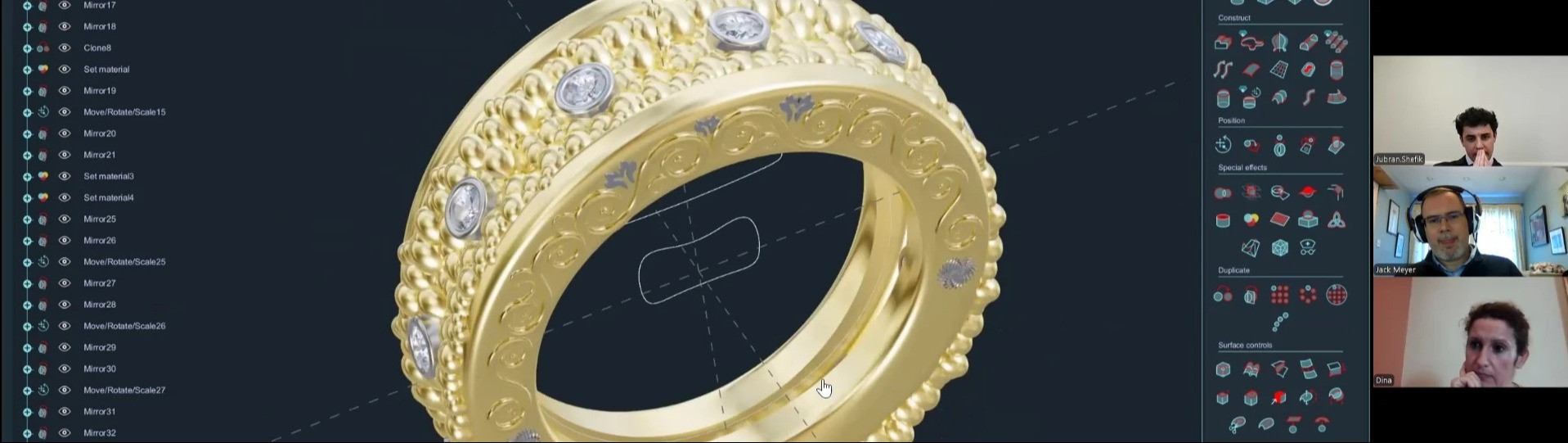
Jack Meyer: Shaping the Future of Jewellery CAD Training
Jack Meyer of CAD Jewellery Skills has trained over 1,100 jewellers in CAD. Discover how his approach is transforming UK jewellery design and education.
READ MORE
EDUCATIONJUN 21, 2025
Rethinking the Natural Diamond Industry
As lab-grown disrupts the market and consumer habits shift, it’s time to re-examine how we position natural diamonds—and who we’re really selling to.
READ MORE
EDUCATIONMAR 28, 2026
Reverse Benchmarking: The Jewellery Industry’s Missed Advantage
A shift in thinking could redefine jewellery retail, as reverse benchmarking focuses on emotional impact over traditional measures like price, product and efficiency
READ MORE