






Don't miss a gem
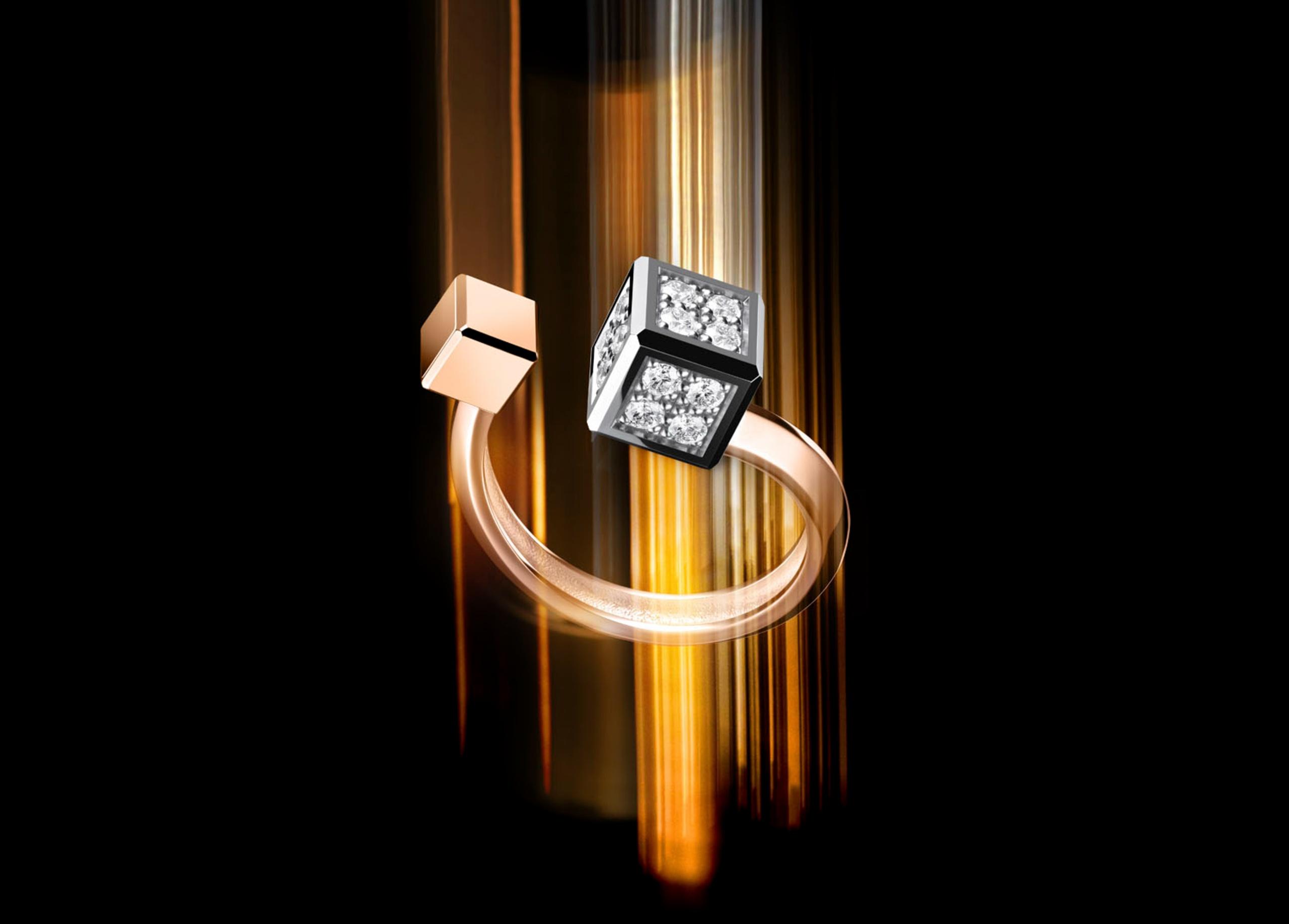
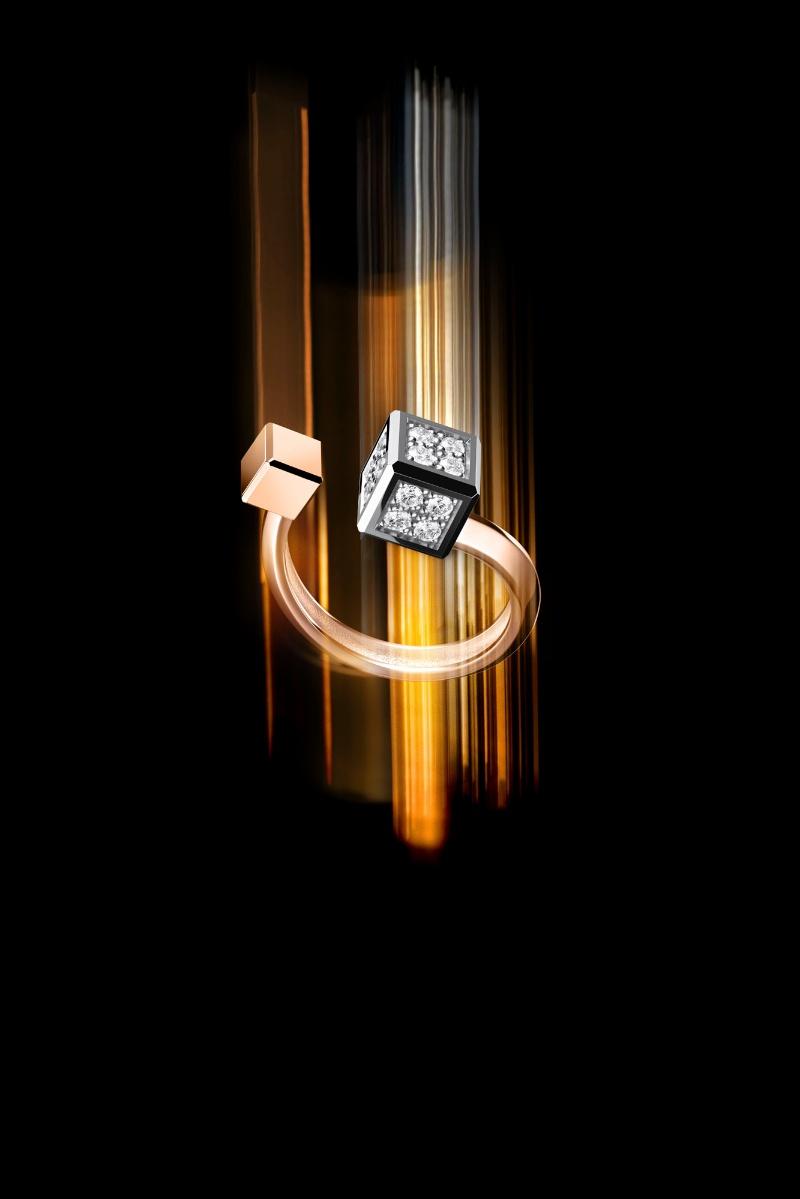
Rather than expanding the design, Chopard refines it, focusing on form, proportion and how the cube is experienced
Chopard introduces “Be Cube”, a new chapter within its Ice Cube collection, refining the motif into a more sculptural and considered form

Some collections don’t need reinventing, but they do need revisiting. Chopard’s Ice Cube has always been built around a very clear idea — a clean, geometric form repeated with precision. It’s recognisable, consistent, and has held its place without needing to change too much. What “Be Cube” does is not move away from that, but look at it differently.
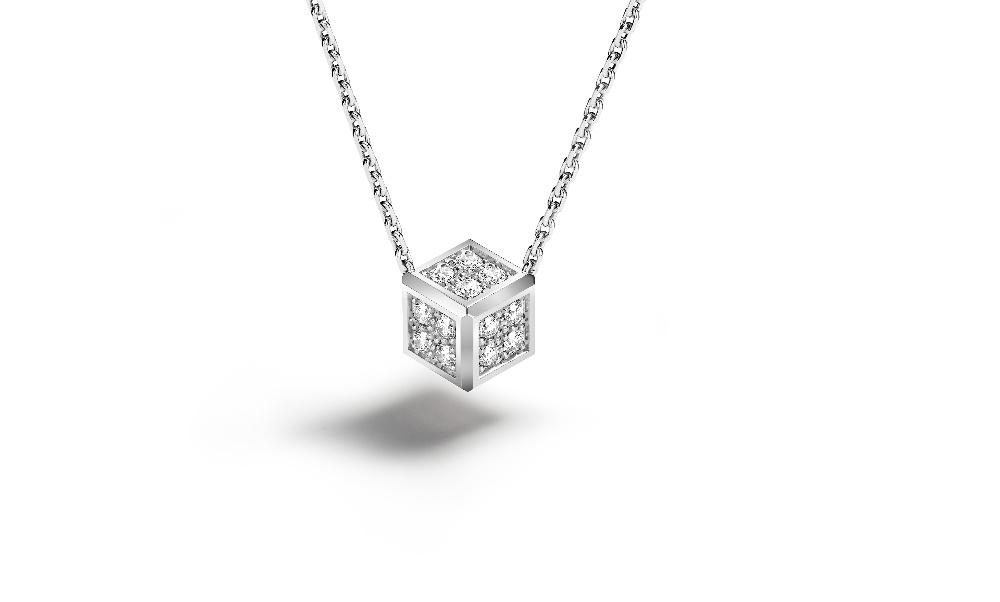
Instead of extending the motif further, this new chapter pulls it back. The cube is no longer treated purely as part of a sequence, but as an object in its own right. By isolating it and adjusting how it sits, more of its structure becomes visible, with additional facets coming into play depending on the orientation.
That shift moves the collection away from pattern and towards something more architectural.
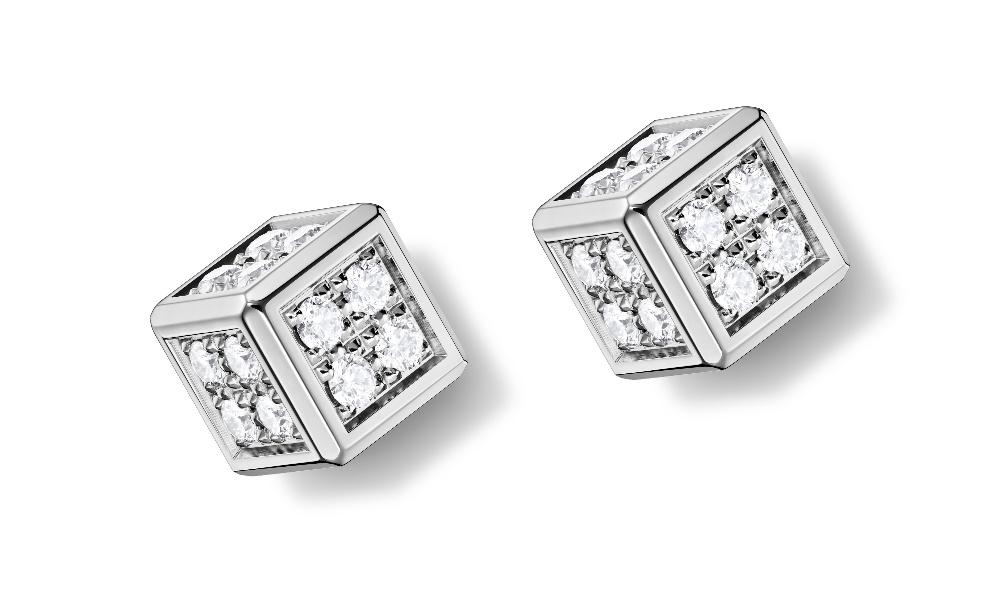
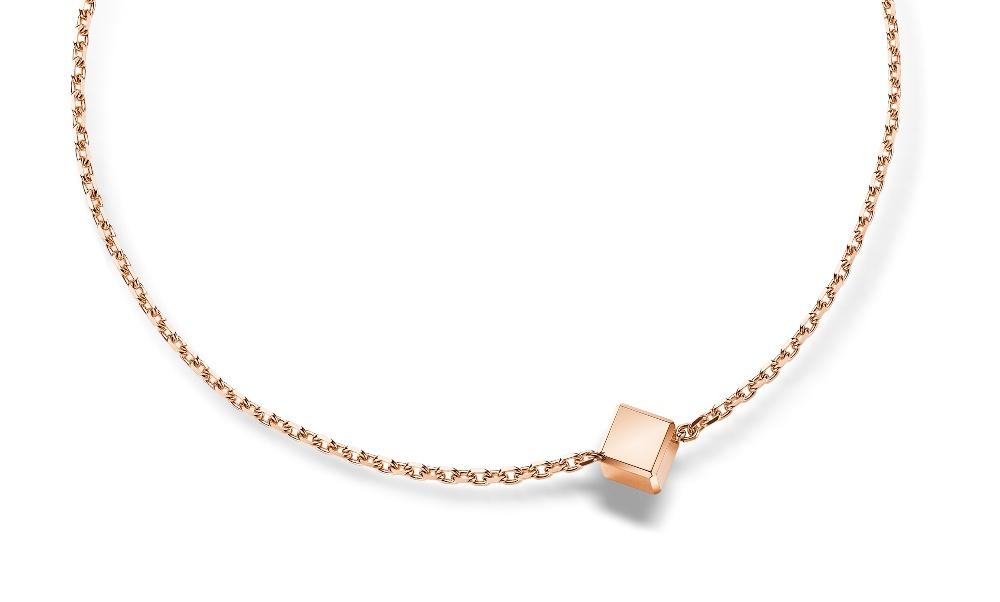
In pieces such as the pendant, earrings and bracelet, the cube is presented on its own, rather than repeated across a surface. This allows light to move more freely across it, picking up angles that would usually sit out of view when the design is flattened into a line.
It’s a quieter approach, but a more deliberate one, and it gives the design a different kind of presence.
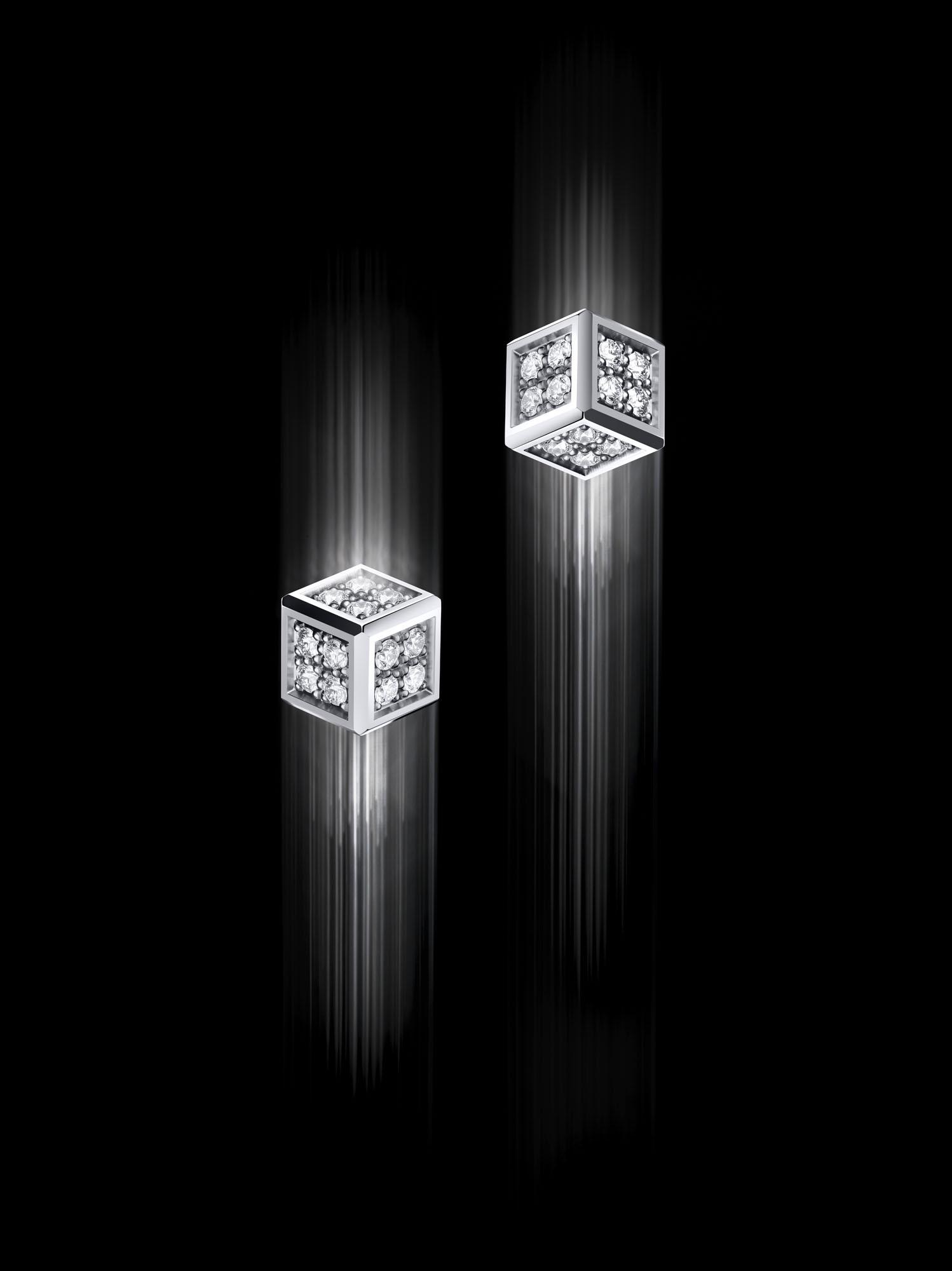
Chopard Ice Cube diamonds suspended in motion, with the cube motif revealed as a sculptural form rather than a repeated pattern.
Alongside the single-cube pieces, there’s a second direction running through the collection.
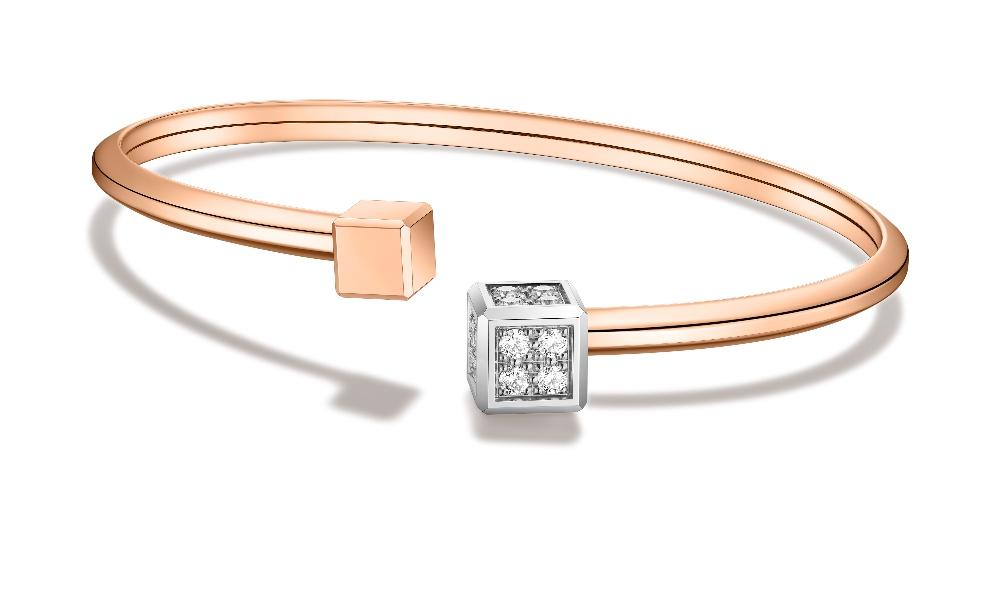
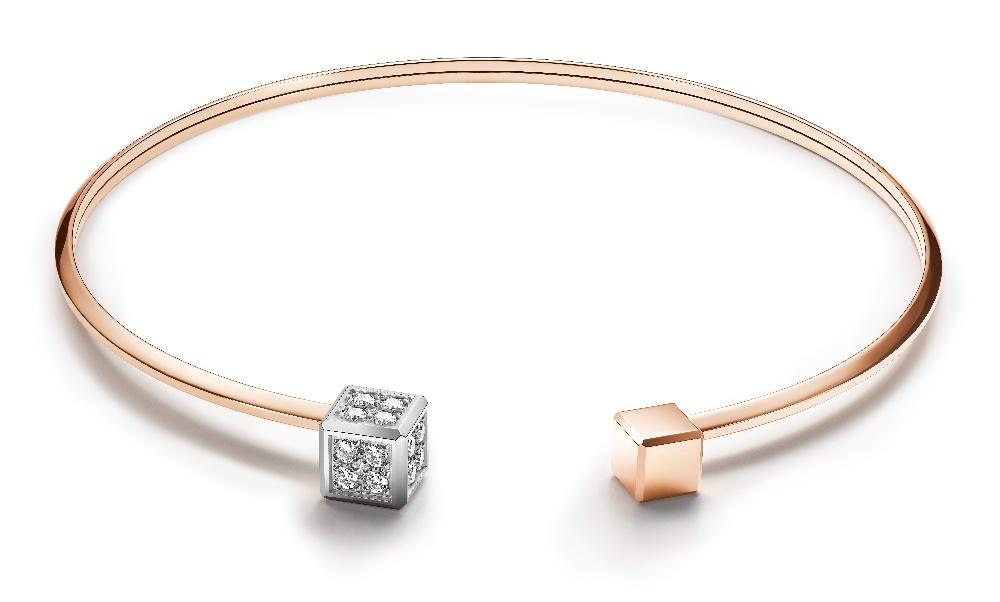
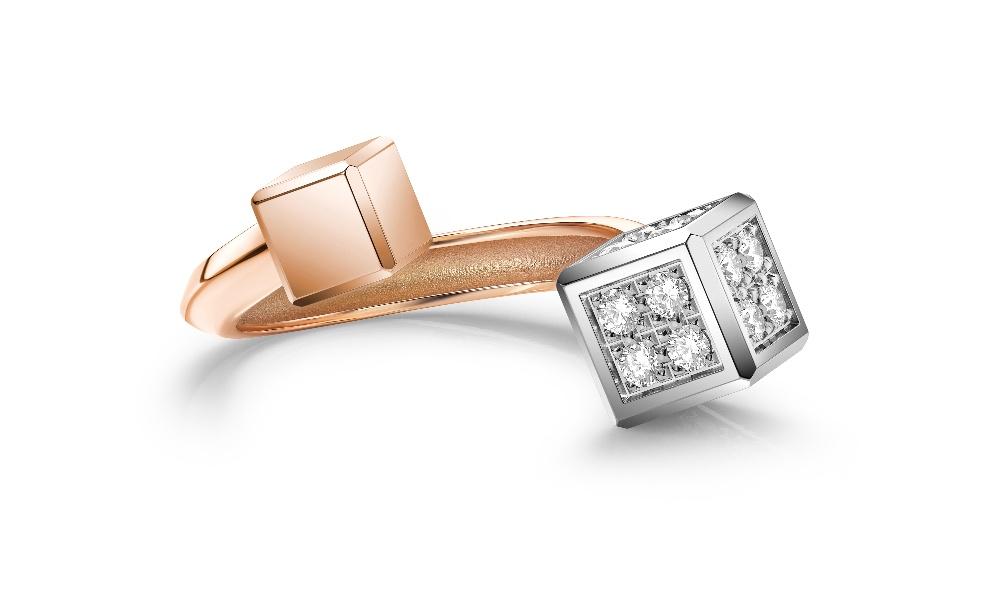
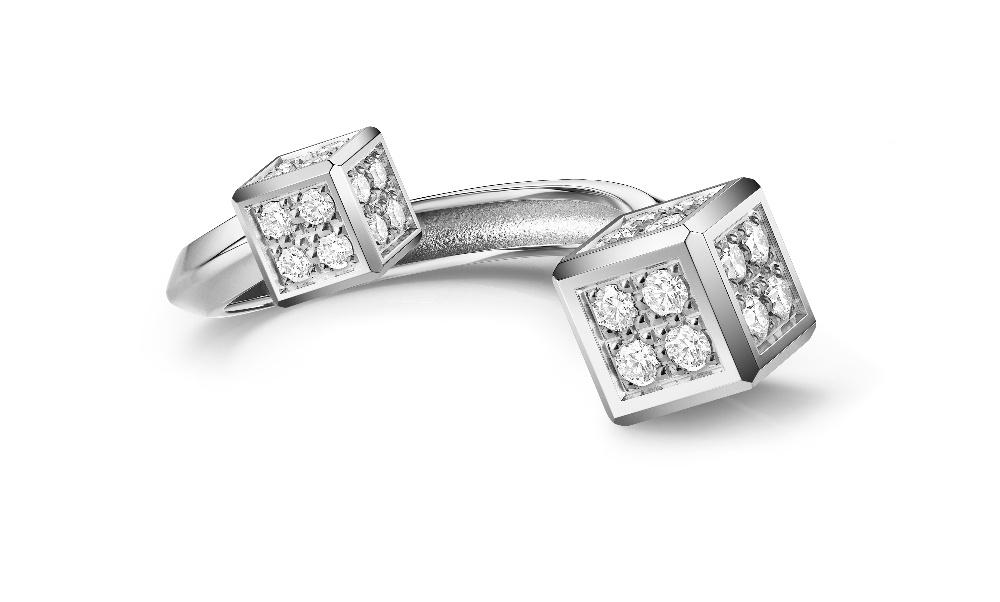
The choker, open ring and bangle introduce a pairing of two cubes, set at slightly different scales and positioned with a subtle twist. It’s not exaggerated, but it’s enough to break the uniformity and create a point of contrast within each piece.
The interplay between polished gold and diamond-set surfaces reinforces that, particularly in the versions that combine rose and white gold.
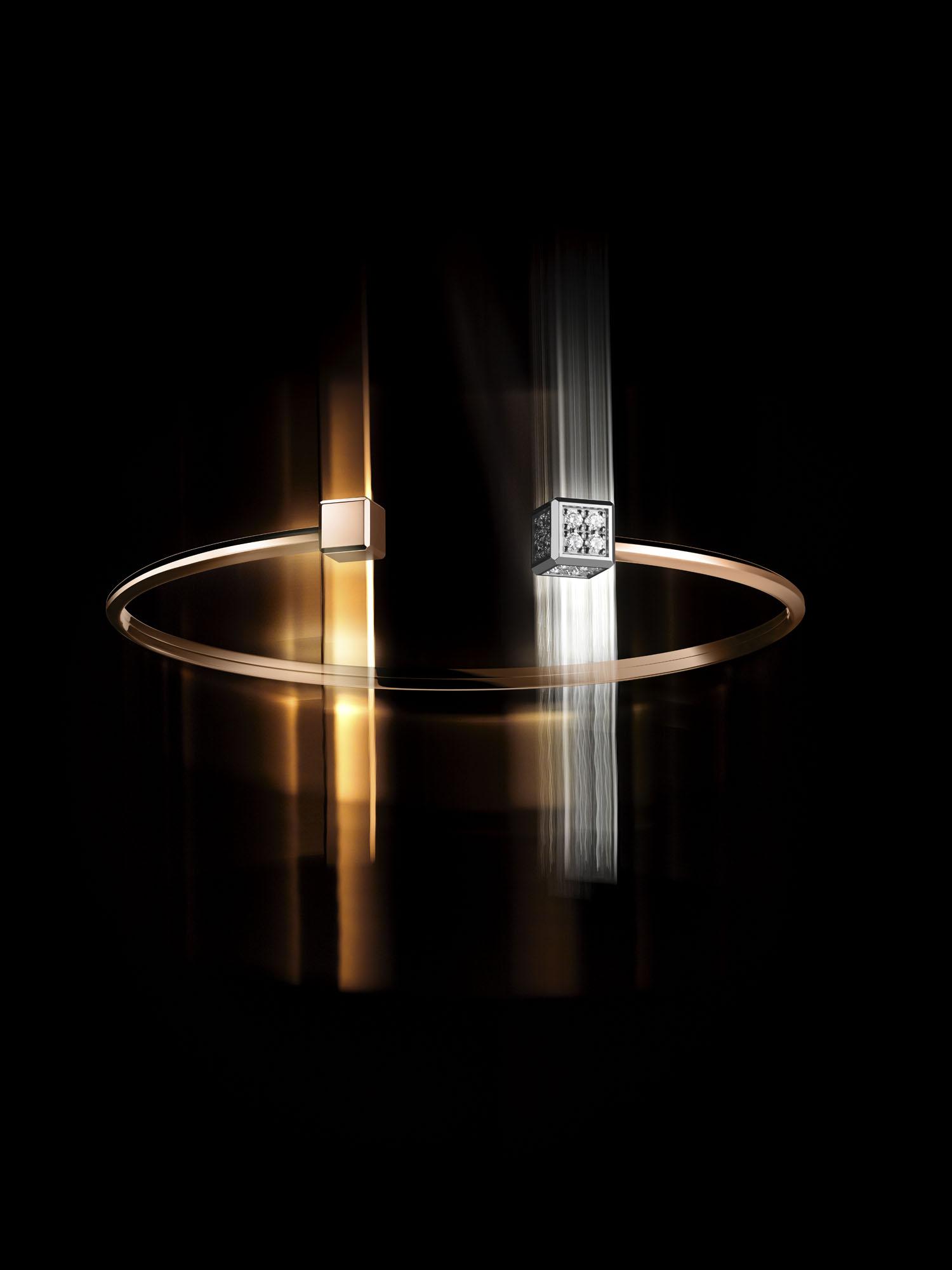
Chopard Ice Cube bangle reworked with contrasting cubes, balancing polished gold against diamond-set structure
The addition of HyCeram® could have pushed the collection further away from its core identity, but it’s handled in a more controlled way.
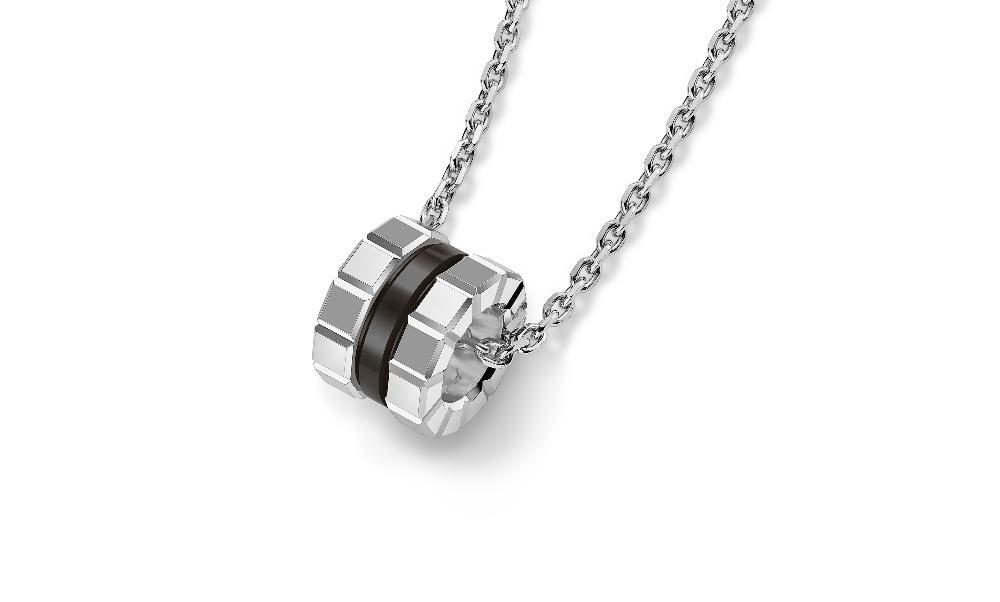
Used as a central row within a pendant and cord bracelet, it adds a sharper, more graphic element without taking over the design. The black variation, in particular, gives a stronger contrast, while the white version feels more integrated into the overall aesthetic.
It works because it hasn’t been overused.
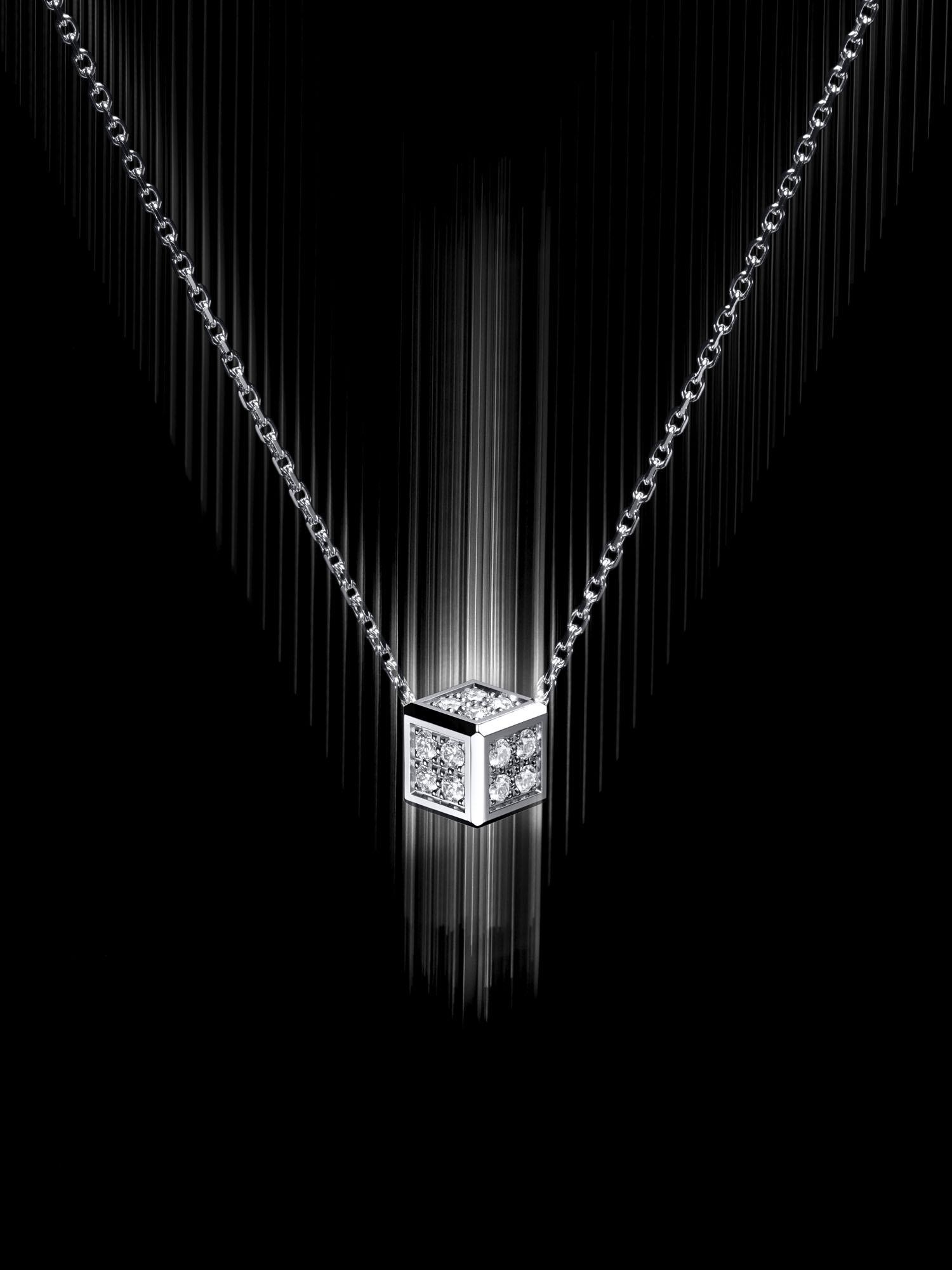
Chopard Ice Cube pendant with the cube isolated, allowing its full structure and diamond setting to come into view
All of this sits within the existing framework of the collection. The use of 18-carat ethical gold and diamond setting keeps it aligned with what Ice Cube already represents, rather than pushing it into something unfamiliar.
That consistency is what allows the changes to feel considered, rather than forced.
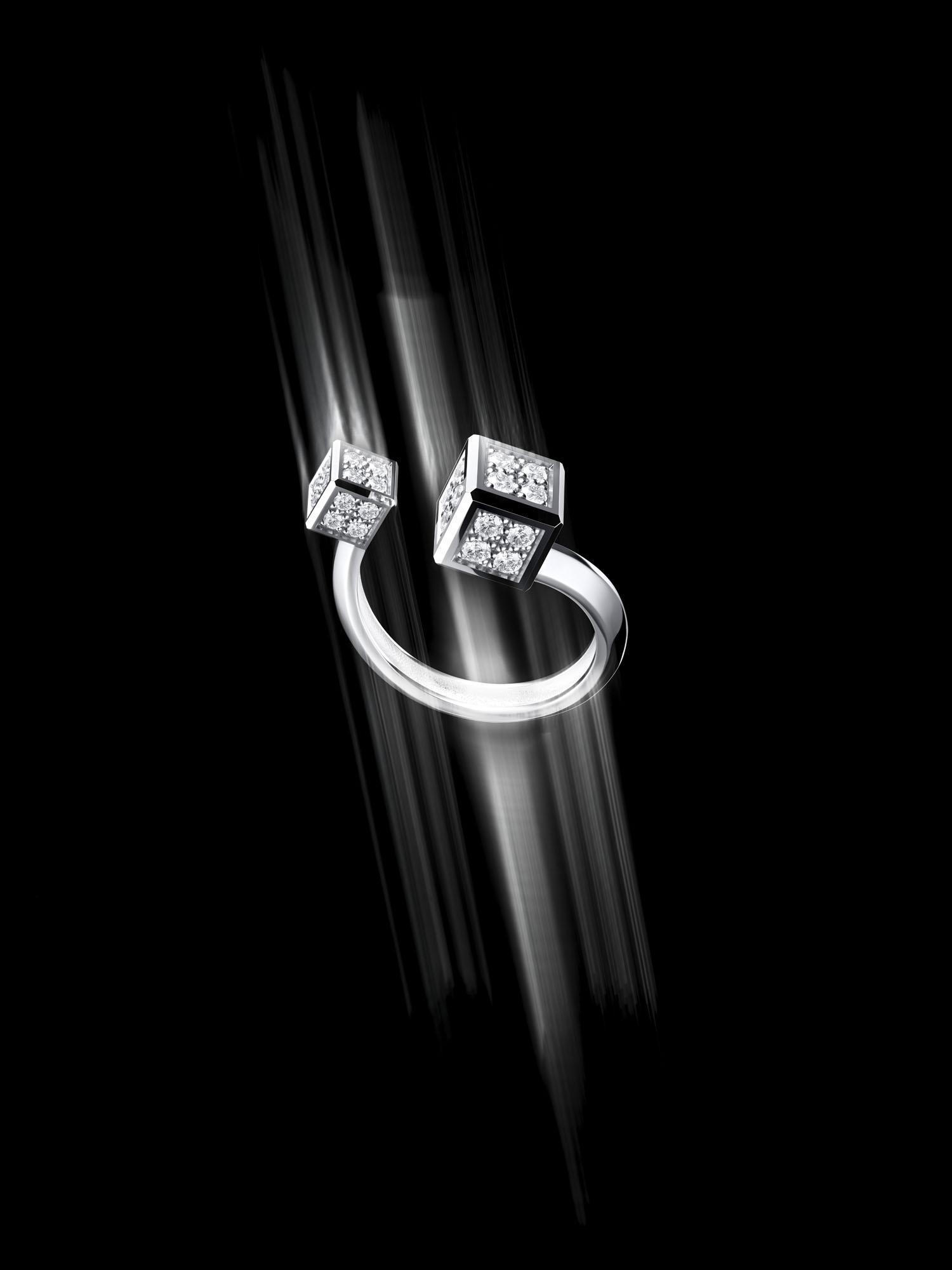
Chopard Ice Cube open ring introducing asymmetry, with twin diamond-set cubes positioned to shift the balance of the design
Chopard hasn’t tried to take Ice Cube somewhere completely different here, which is probably the right decision.
This feels more like a refinement of something that already works, with the focus shifting slightly from repetition to how the form itself is seen and understood. It’s a more measured approach, but one that gives the collection a bit more depth without losing what made it recognisable in the first place.
Explore the Ice Cube collection and the new “Be Cube” designs: chopard.com
Scroll the gallery below to see more
HIGH JEWELLERYAPR 22, 2026
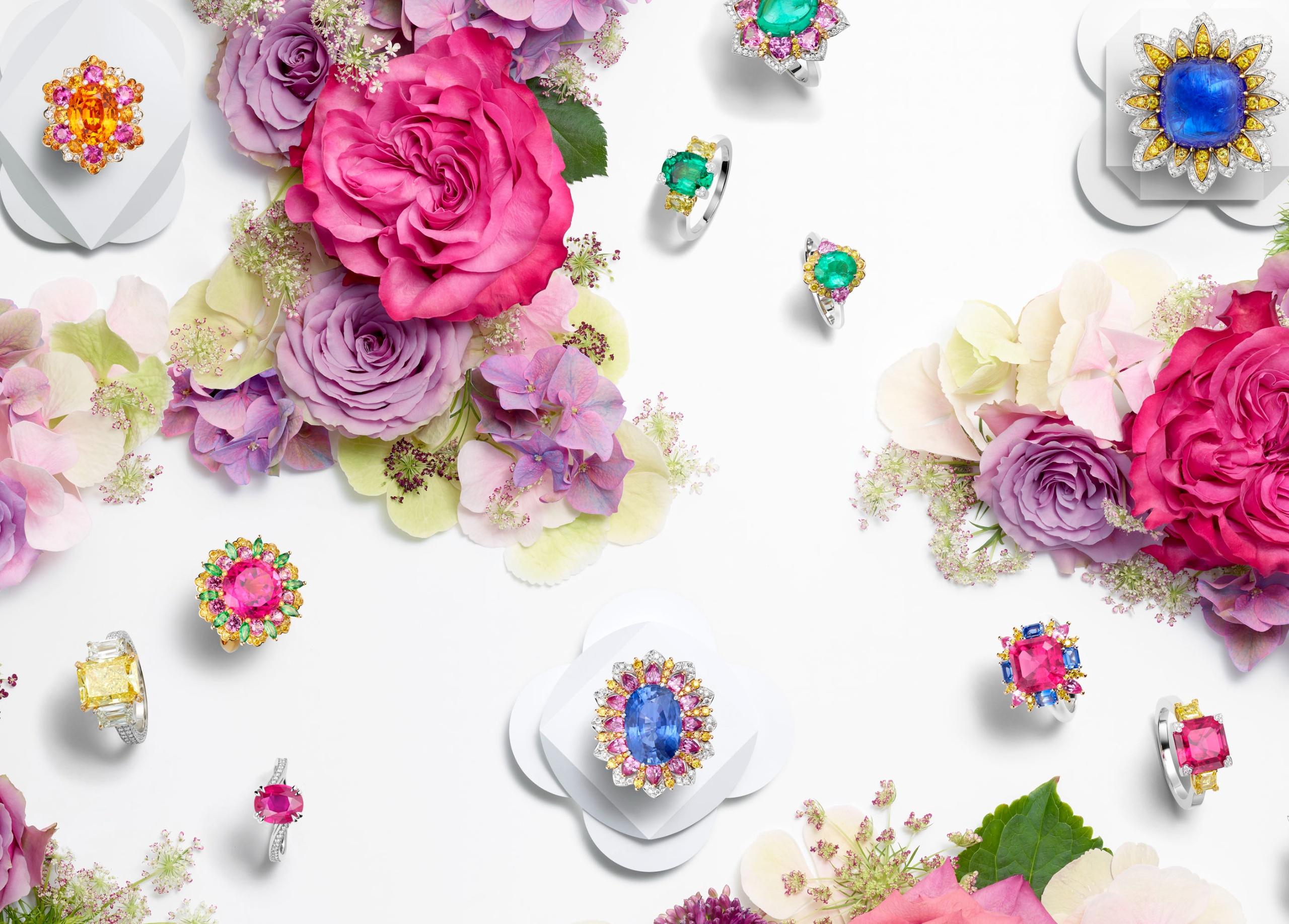
Chopard Caroline’s Garden: A Personal Vision In Full Bloom
Chopard’s Caroline’s Garden transforms nature into high jewellery through bold gemstones, innovative settings and a deeply personal creative vision
READ MORE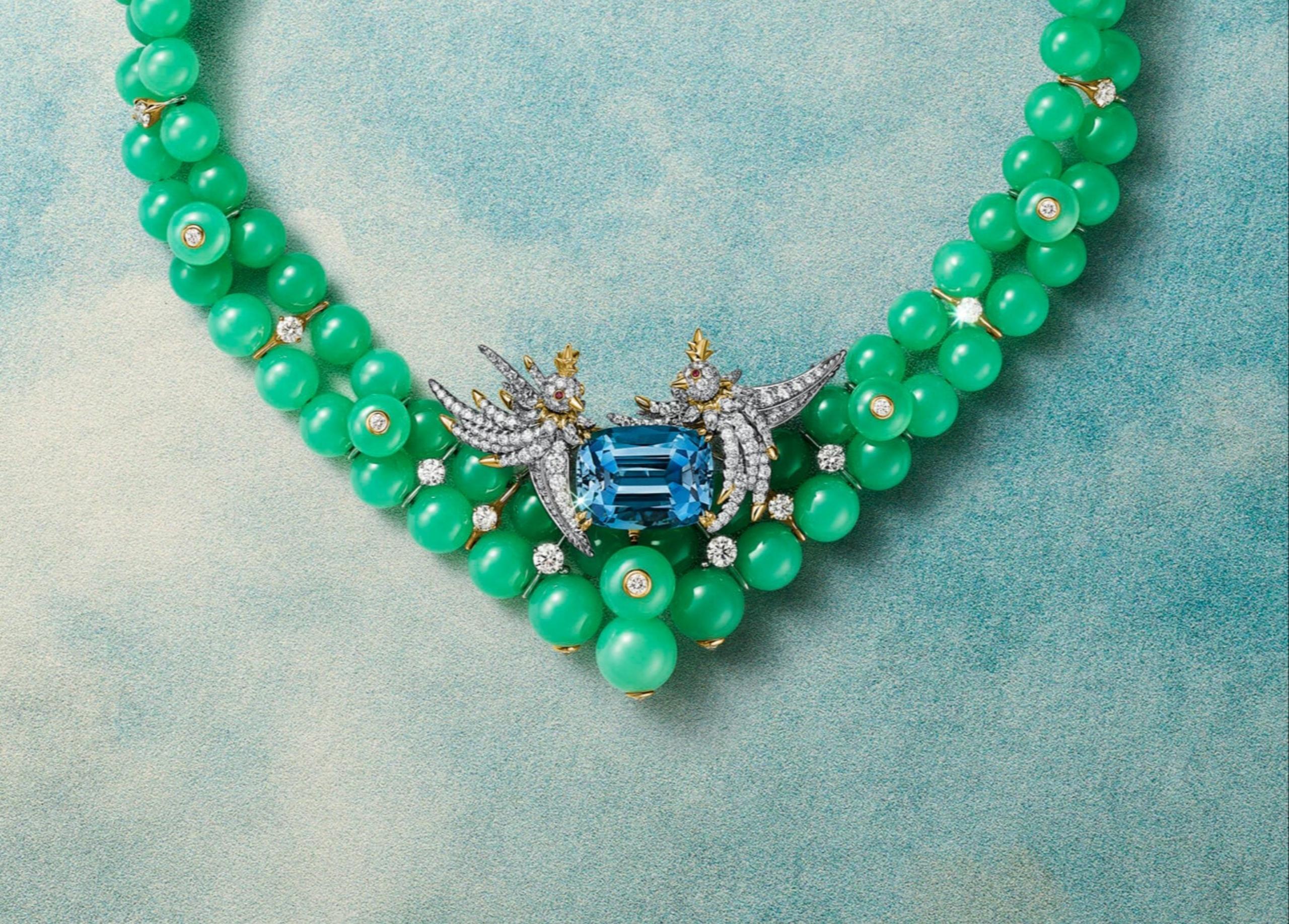
HIGH JEWELLERYAPR 25, 2026
Tiffany & Co. Blue Book 2026: Hidden Garden
Tiffany’s Blue Book 2026 collection, Hidden Garden, explores nature through movement and construction, with a more controlled approach to high jewellery
READ MORE
BOODLESMAY 18, 2026
Boodles and the Return of British Storytelling in Jewellery
Boodles’ Palace Collection, created with Historic Royal Palaces, reflects a growing focus on British storytelling, heritage and experience-led jewellery
READ MORE



0 Comments
You must be logged in to comment. Click here to login.