






Don't miss a gem
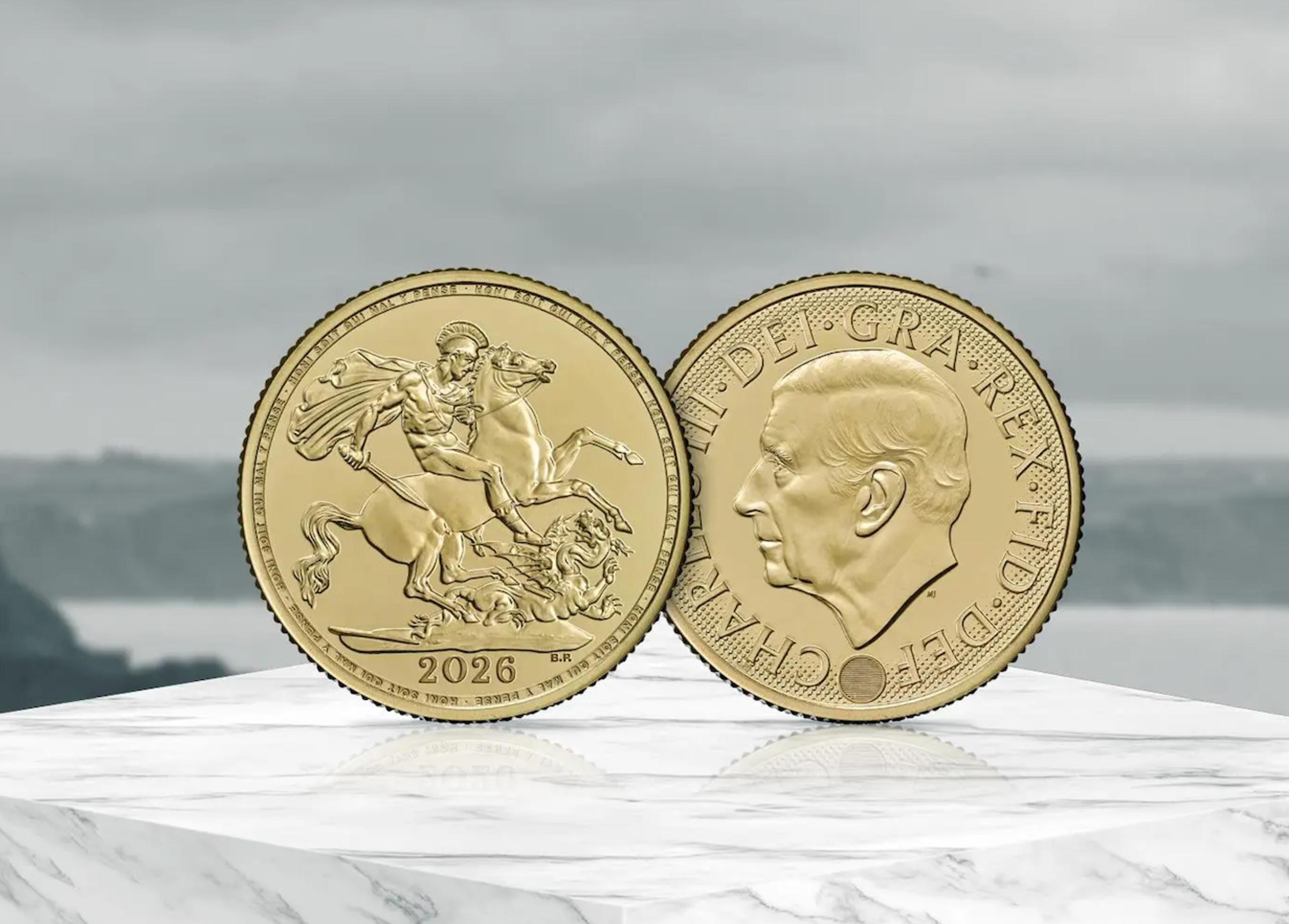
With roots dating to 1796, Sharps Pixley brings historic precious-metals expertise to a modern question: what is your unwanted gold really worth?
Sharps Pixley’s 230-year story shows why trust, expertise and transparency matter when selling gold today

Gold is having a moment. As prices remain high, more people are looking through jewellery boxes, drawers and inherited collections with a simple question in mind: what is this actually worth?
For some, it is a broken chain that has not been worn in years. For others, it is a single earring, an old wedding band, a watch, a handful of inherited pieces or bullion bought long ago. The decision to sell can be practical, emotional or both. What matters is knowing exactly what you have and who you are dealing with.
That is where heritage, expertise and transparency become important.
Sharps Pixley is a name with deep roots in the British precious metals trade. Its history begins in 1796, when William Sharp established a business in Great Winchester Street, London. Pixley & Abell followed in 1852, and the two businesses later came together in 1957 under the Sharps Pixley name.
Over the decades, the business passed through several major ownership chapters, including Kleinwort Benson and Deutsche Bank. In 2010, the Sharps Pixley name was revived by a new independent precious metals brokerage in London’s West End.
Today, the company operates from St James’s Street and is privately owned by a Swiss family office within the Degussa group. It offers the public and trade customers ways to buy, sell and store precious metals, as well as services for bullion, coins, gold, silver and unwanted jewellery.
Its history matters because selling gold is not simply about receiving a number. It is about understanding how that number has been reached.
The phrase “scrap gold” can sound rather impersonal, but it often includes pieces with a long story behind them. Jewellery may be broken, outdated, incomplete or simply no longer loved. It can also be an efficient way to unlock value from items that would otherwise remain unworn.
Before any decision is made, it helps to separate an item’s metal value from its possible resale value.
A signed designer piece, antique jewel, desirable watch, exceptional gemstone or collectible item may be worth more as a finished object than for the gold it contains. A simple broken chain or damaged ring, on the other hand, may be more suited to being valued for its precious metal content.
The important thing is not to rush. Ask whether the item has a maker’s mark, hallmarks, gemstones, a recognisable design or provenance before agreeing to sell it as scrap.
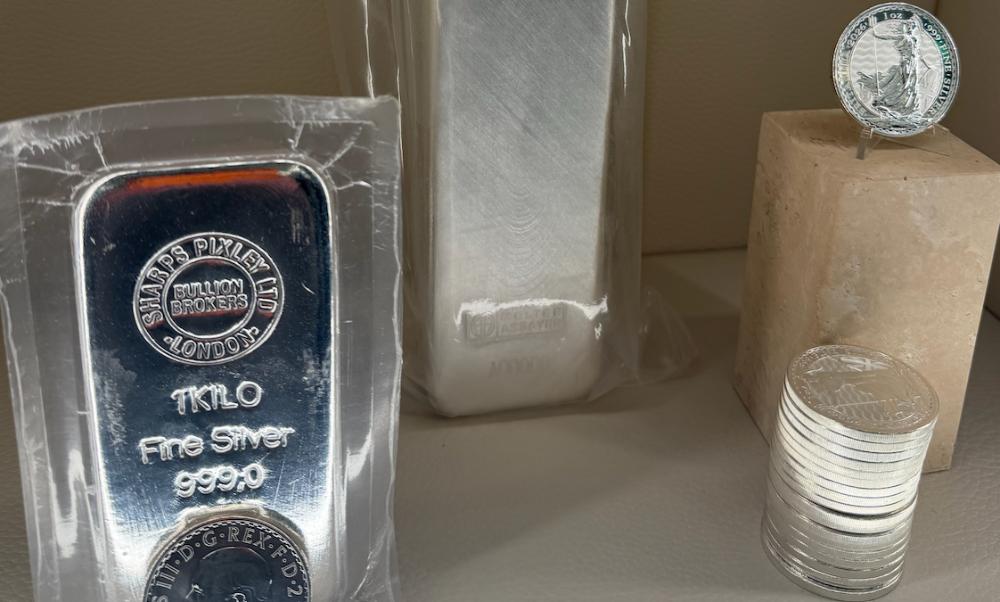
The historic Sharps Pixley London bullion brokers mark, reflecting the company’s long-standing place in the precious metals trade
Gold jewellery is rarely pure gold. Its carat tells you how much gold is present in the alloy.
In the UK, pieces commonly encountered include:
Fourteen carat gold, marked 585, is also a recognised UK hallmark standard, although it is generally encountered less often here than in the US market.
The hallmark is an important starting point, but it is not the only factor. Weight, condition, stone content and the current precious metal market all affect a valuation. Testing can help confirm the metal composition, particularly when hallmarks are worn or absent.
For consumers, that means the best question is not simply “what is gold worth today?” It is “what exactly is my item made of, how much does it weigh and what is its best route to market?”

Sharps Pixley’s St James’s Street store in London, a destination for buying, selling and storing precious metals
Selling gold can feel daunting because the process is unfamiliar to many people. A clear explanation of testing, weight, purity and how an offer is calculated should never feel like too much to ask for.
Sharps Pixley’s position in the market is built around precious metals expertise, with the business also holding Full Membership of the London Bullion Market Association. Its services span both investment metals and items sold by customers, bringing a specialist approach to a process that is often treated as a quick transaction.
For anyone considering selling, a credible buyer should be willing to explain:
How the item will be tested
Whether stones or branded elements affect the valuation
The weight and purity used in the calculation
Whether the item is being bought for metal value or potential resale
Any deductions, fees or terms before you proceed
A good transaction should leave the customer clear on what they sold and why they received the figure offered.
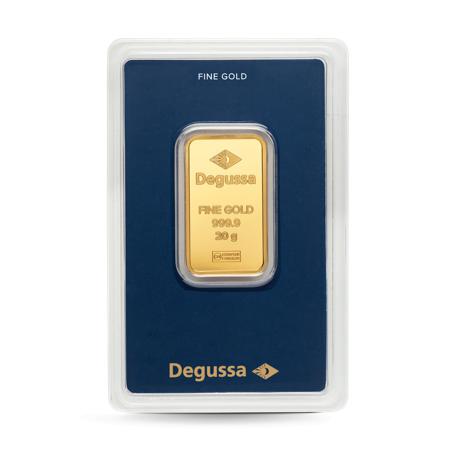
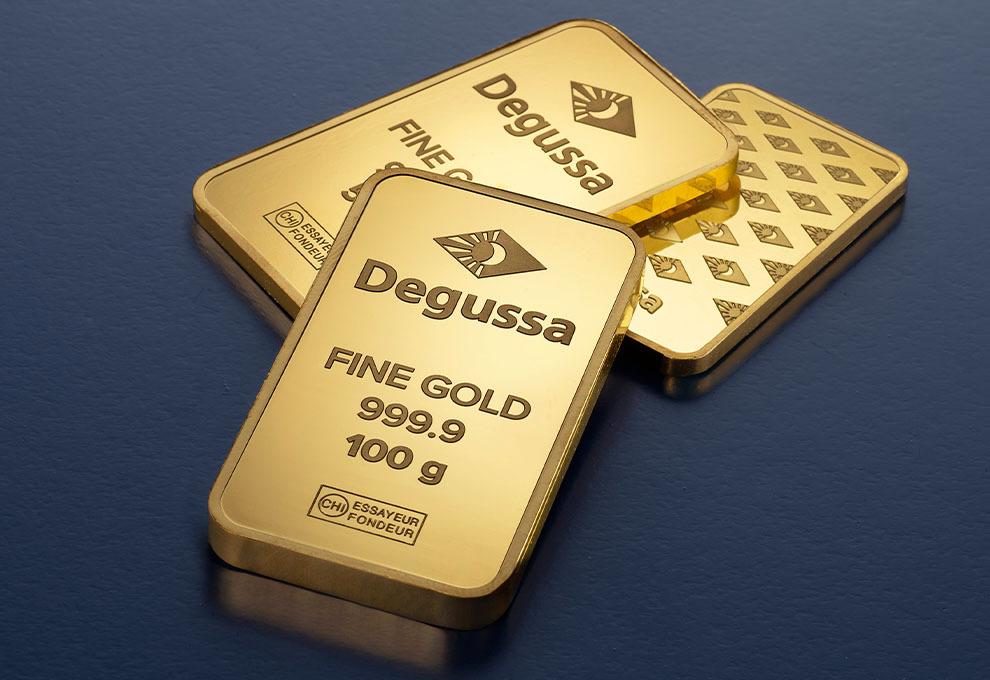
A 20 gram Degussa fine gold bar, presented in its certified blue blister card
The rising interest in selling unwanted gold is not only about price. It reflects a broader shift in how consumers think about jewellery. People are becoming more conscious of what they own, what they wear and what has been sitting unused for years.
There is also a more sustainable argument. Returning unwanted gold to the market can allow valuable material to be refined and reused rather than left forgotten. But this should always be balanced with the emotional and design value of a piece.
Not every old jewel should be sold. Some should be redesigned, repaired, passed down or simply kept.
The most useful thing a consumer can do is pause before making a decision. Understand the piece. Understand the process. Then decide whether selling is right for them.

Inside Sharps Pixley’s St James’s Street store, where clients can discuss precious metals with its specialist team
Gold has always carried value, but today’s consumer expects more than a quick offer. They want clarity, confidence and a buyer they can trust.
Sharps Pixley’s long-standing connection to London’s precious metals market makes its story especially relevant at a time when more people are reconsidering the value held in their jewellery boxes.
Selling gold can be a practical decision. It should also be an informed one.
Explore Sharps Pixley’s history and precious metals services at sharpspixley.com
Learn more about the wider group at Degussa Goldhandel
Scroll the gallery below of our visit to Sharps Pixley's store

HIGH JEWELLERYFEB 2, 2026
Cartier En Équilibre: High Jewellery in a State of Poised Tension
Cartier unveils the latest En Équilibre chapter in Paris, exploring balance through colour, tension and architectural design
READ MORE
BULGARIFEB 19, 2026
Bulgari and Dua Lipa: Redefining Modern Luxury Through Cultural Influence
Bulgari names Dua Lipa as global ambassador, blending the maison’s heritage with contemporary cultural influence
READ MORE
ANDREW GEOGHEGANFEB 20, 2026
Treowth — Andrew Geoghegan’s Anglo-Saxon Discovery Sparks a New Fine Jewellery Chapter
A Saxon gold fragment discovered in Lincolnshire inspires Andrew Geoghegan’s new Treowth collection, beginning with the Goldwin eternity band
READ MORE



0 Comments
You must be logged in to comment. Click here to login.