






Don't miss a gem
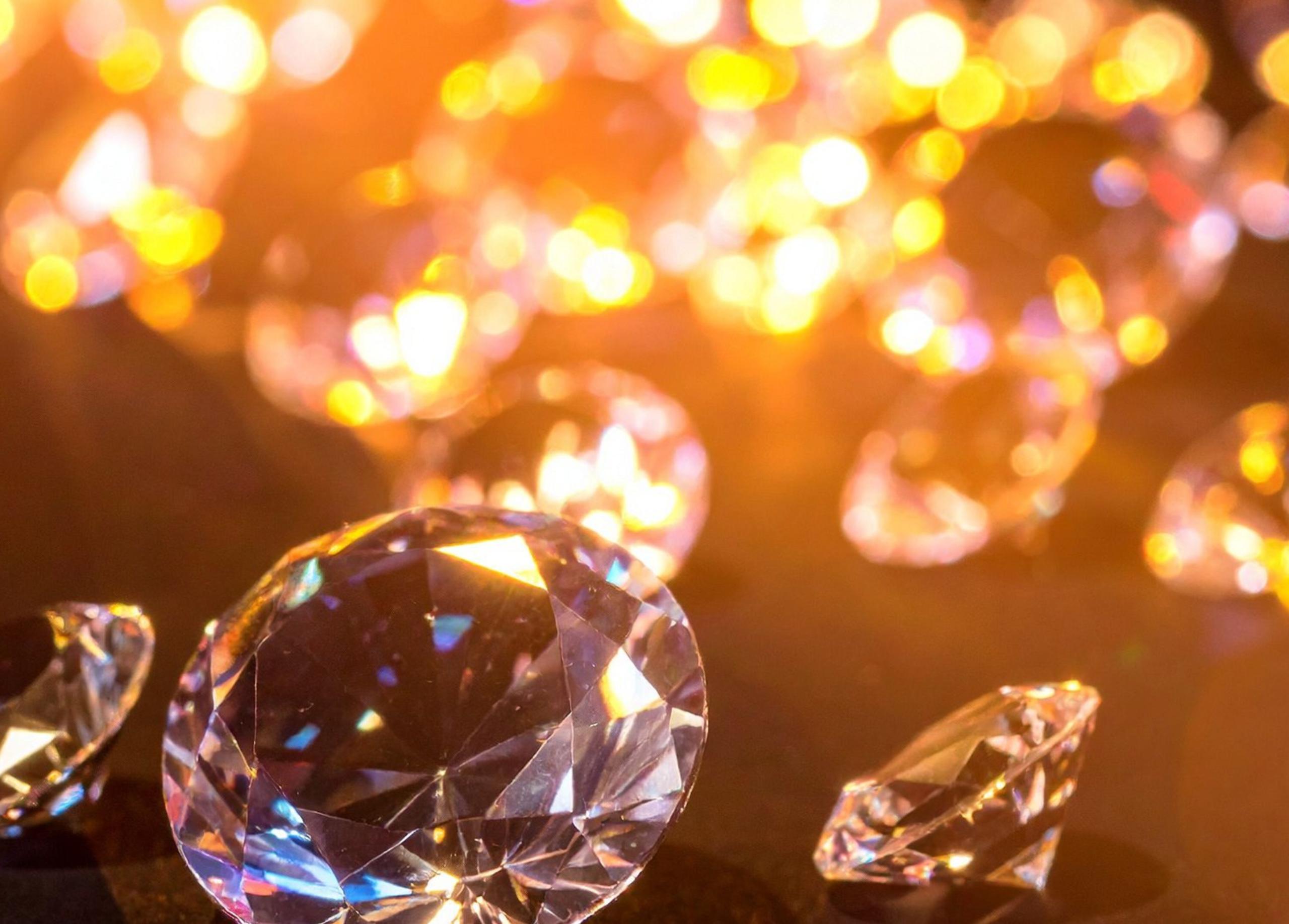
Lab grown diamonds have made bigger stones more accessible, but sparked a debate over value, rarity, sustainability and what a diamond should mean
Why natural and lab grown diamonds divide the jewellery industry, and what buyers should understand before choosing either
A diamond was once a relatively straightforward symbol. It marked a proposal, a milestone or a family moment. Its rarity was part of its romance and its price reflected that.
Today, the diamond conversation is far more complicated.
Lab grown diamonds have opened the market to customers who might once have felt priced out. They can offer significant size, clarity and brilliance for a fraction of the price of a natural stone. For many, that feels like progress. For others, it raises questions about rarity, resale value and whether the meaning of a diamond changes when it can be created in a matter of weeks.
The result is one of the most divided debates in modern jewellery.
The most important point is that natural and lab grown diamonds are not the same proposition, even though both are diamonds.
A natural diamond formed within the earth over billions of years. Its rarity, origin and individual characteristics form part of its appeal. A lab grown diamond is created in a controlled environment using advanced technology. It has the same core chemical composition as a natural diamond, but a very different journey to market.
For a customer choosing an engagement ring or a special piece of jewellery, that distinction may matter enormously. Or it may not matter at all.
Some want the romance of a natural diamond, its geological story and the sense that it may become part of a family legacy. Others would rather direct their budget towards a larger stone, a more intricate setting or an entirely different life goal.
Neither choice should be dismissed. The problem comes when customers are not given the information to understand the difference.
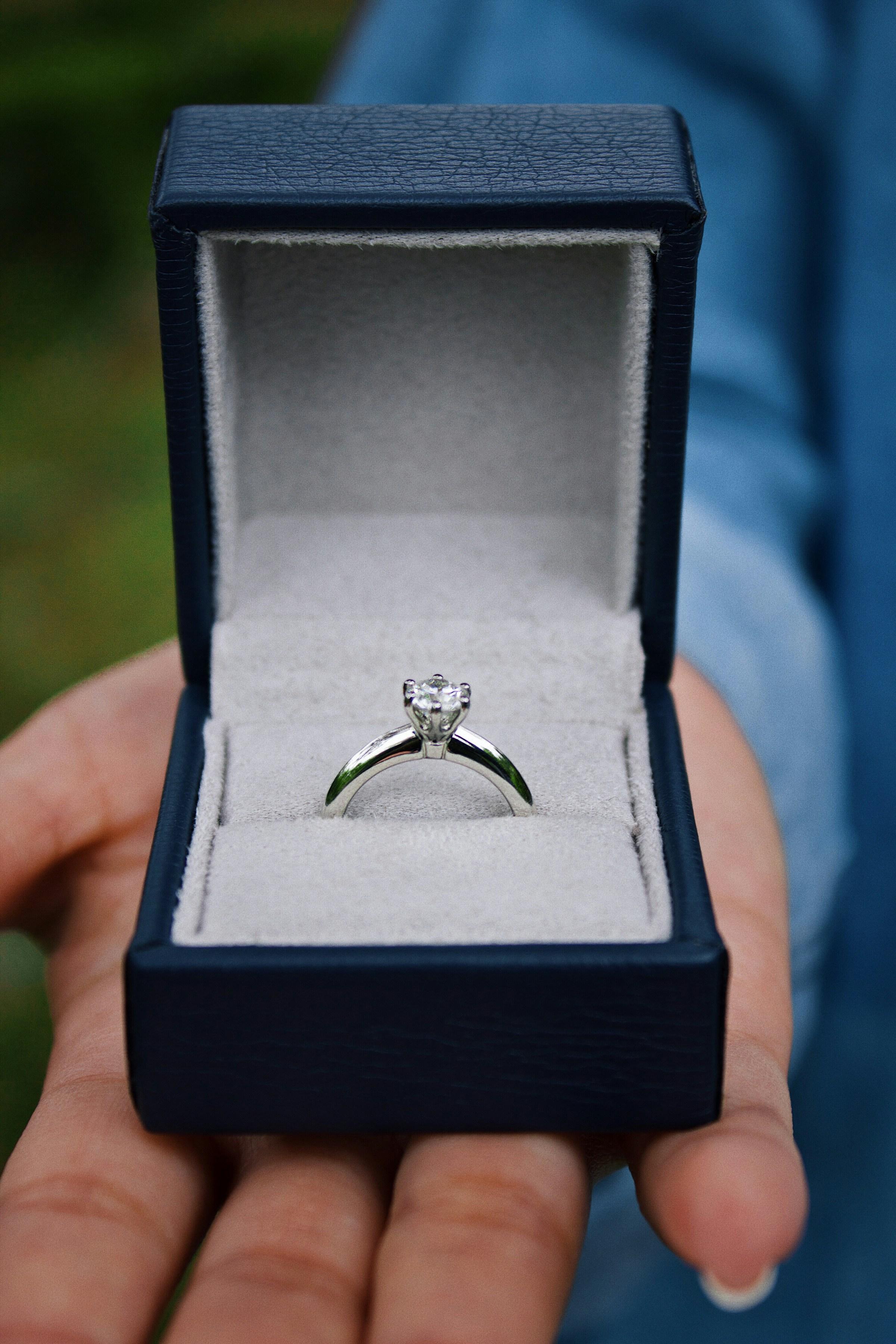
A diamond can represent many things, from an accessible first purchase to a future heirloom. Image credit - Korie Cull, Unsplash source
Lab grown diamonds have brought a new kind of accessibility to diamond jewellery. A younger buyer may be able to buy a beautifully made piece with a larger centre stone than they could afford in natural diamond.
This can be an excellent choice for someone buying for style, celebration or immediate enjoyment. It may also be a first step into diamond jewellery. An aspiring young customer might choose a lab grown stone today, then choose a natural diamond for a future engagement, anniversary or milestone when their circumstances change.
But the industry has become divided because price is only one part of the story.
Lab grown diamond prices have fallen sharply as production capacity has grown. The Natural Diamond Council, which represents the natural diamond sector, reports a substantial decline in comparable lab grown diamond prices since 2018. That supports its argument that lab grown diamonds should be viewed as a manufactured product rather than a rare asset. It is a useful source of market information, but its commercial position should be recognised.
Lab grown businesses make the opposite case. They argue that customers should not have to pay a premium for rarity if their priority is beauty, size and design. They often position lab grown as a modern, accessible and potentially more responsible option.
Both sides have an interest in the outcome of the debate.
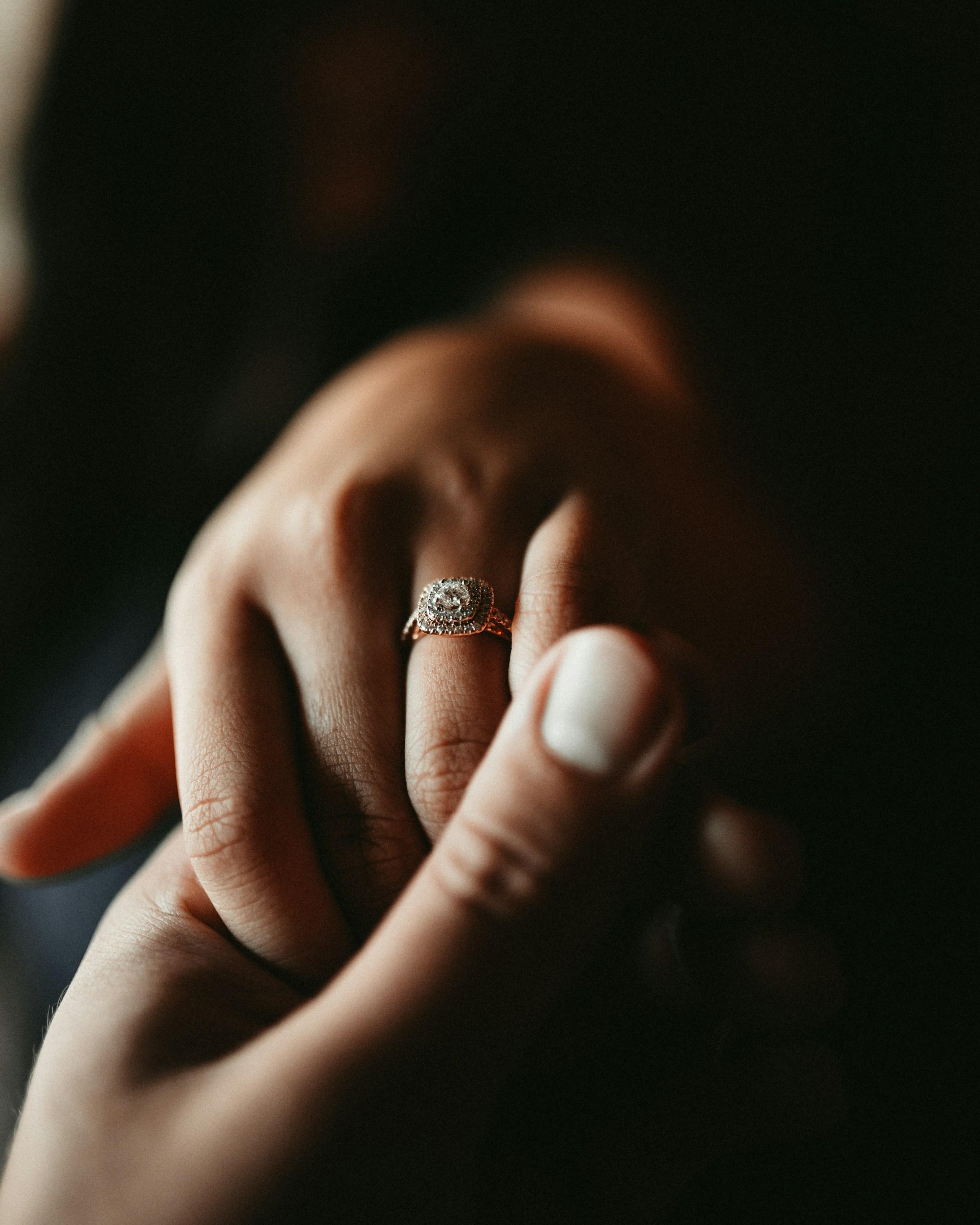
For many buyers, the question is not whether a diamond is beautiful, but what they want it to represent. Image credit - Jake Pierrelee, Unsplash source
De Beers has become a particularly interesting part of this conversation.
The company launched its lab grown jewellery brand Lightbox in 2018, then announced in 2025 that it intended to close the business. De Beers said it was refocusing on natural diamond jewellery as lab grown jewellery prices continued to fall. Its synthetic diamond business, Element Six, continues to focus on industrial and technology applications.
This is not simply a moral judgement on lab grown diamonds. It is a commercial decision from a business built around natural diamonds and their rarity. But it does raise an important question for consumers.
If lab grown prices can keep falling as production becomes more efficient, what does that mean for someone buying a stone today?
There is no single answer to the question of value.
A lab grown diamond can offer real value if value means getting the size, sparkle and design you want within your budget. It can make a significant piece of jewellery possible at a time when a natural diamond would not be.
A natural diamond may offer a different type of value. For some buyers, that is its rarity. For others, it is the idea of wearing something formed by nature over billions of years. For others, it is a sense of permanence, provenance or the possibility of passing it on.
Financial resale should be discussed carefully. Jewellery is not automatically an investment, regardless of the material. The resale value of any diamond depends on its size, quality, condition, certification, demand and the market at the time. However, consumers should understand that a natural diamond and a lab grown diamond are likely to behave very differently in the resale market.
That does not mean one is right and one is wrong. It means a customer deserves honesty before they buy.
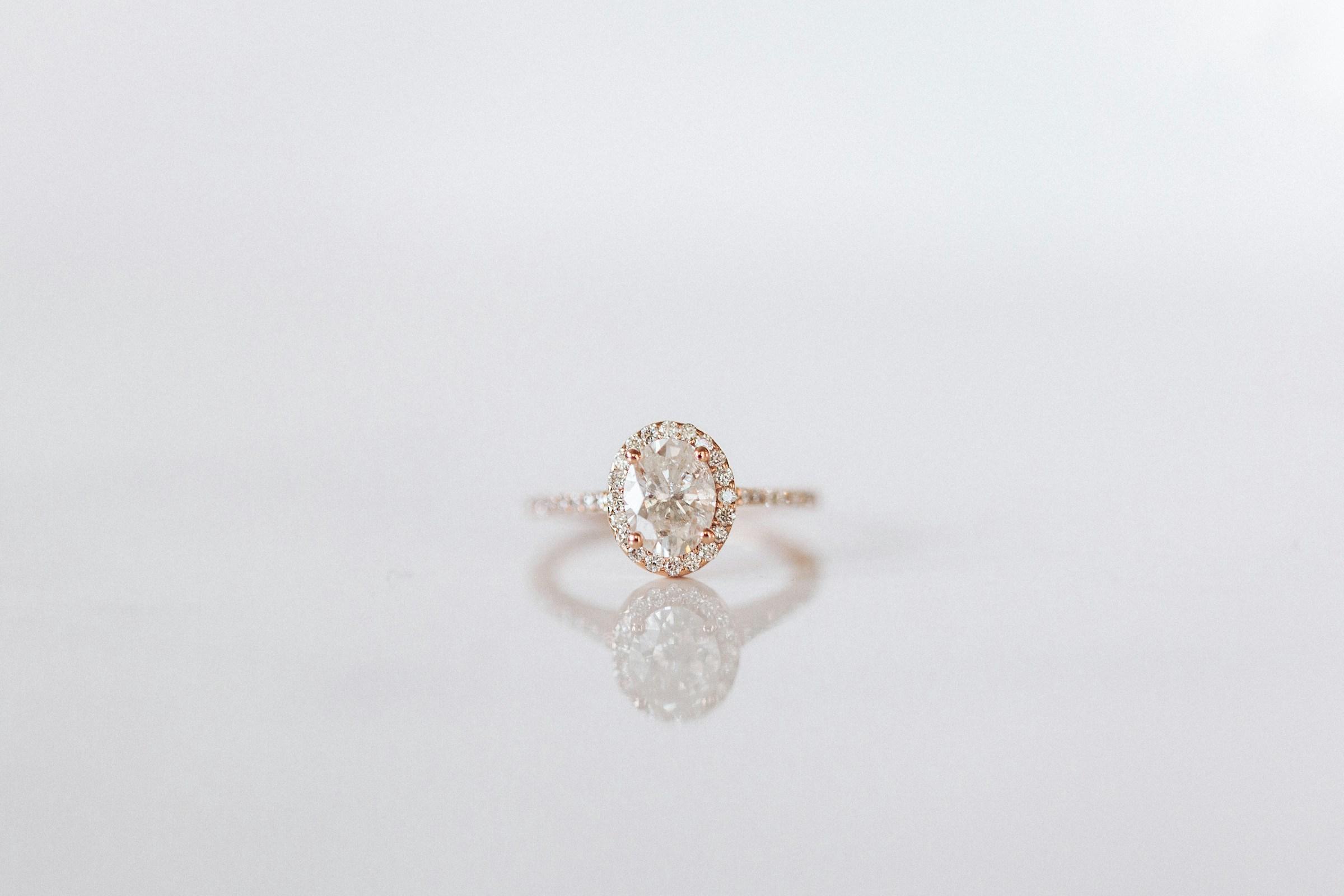
Price, rarity, origin and long-term value all shape the natural versus lab grown diamond debate. Image credit Jenna Day, Unsplash source
Sustainability is another area where the conversation can become overly simple.
Lab grown diamonds are often presented as the sustainable choice, while natural diamonds are increasingly discussed through traceability, community impact and responsible sourcing. Neither claim should be accepted without questions.
The environmental impact of a lab grown diamond depends on how and where it was produced, including the energy used in the growing process. Equally, responsible natural diamond sourcing depends on transparency, traceability and the standards behind the supply chain.
The most useful question is not which product has the better marketing line. It is whether the brand can clearly explain its sourcing, production and claims.
Before buying either natural or lab grown, ask:
Is the diamond natural or laboratory grown, and is this stated clearly on the invoice and grading report?
Who has graded it, and can the report be checked independently?
What are the stone’s cut, colour, clarity and carat weight?
What does the retailer say about care, insurance, exchange and resale?
What does the brand mean when it uses terms such as ethical, sustainable, recycled or responsible?
Am I buying this for a milestone, everyday wear, future value or simply because I love it?
The Gemological Institute of America identifies laboratory grown diamonds in its reports and through laser inscription, giving consumers an added layer of clarity about what they are purchasing.
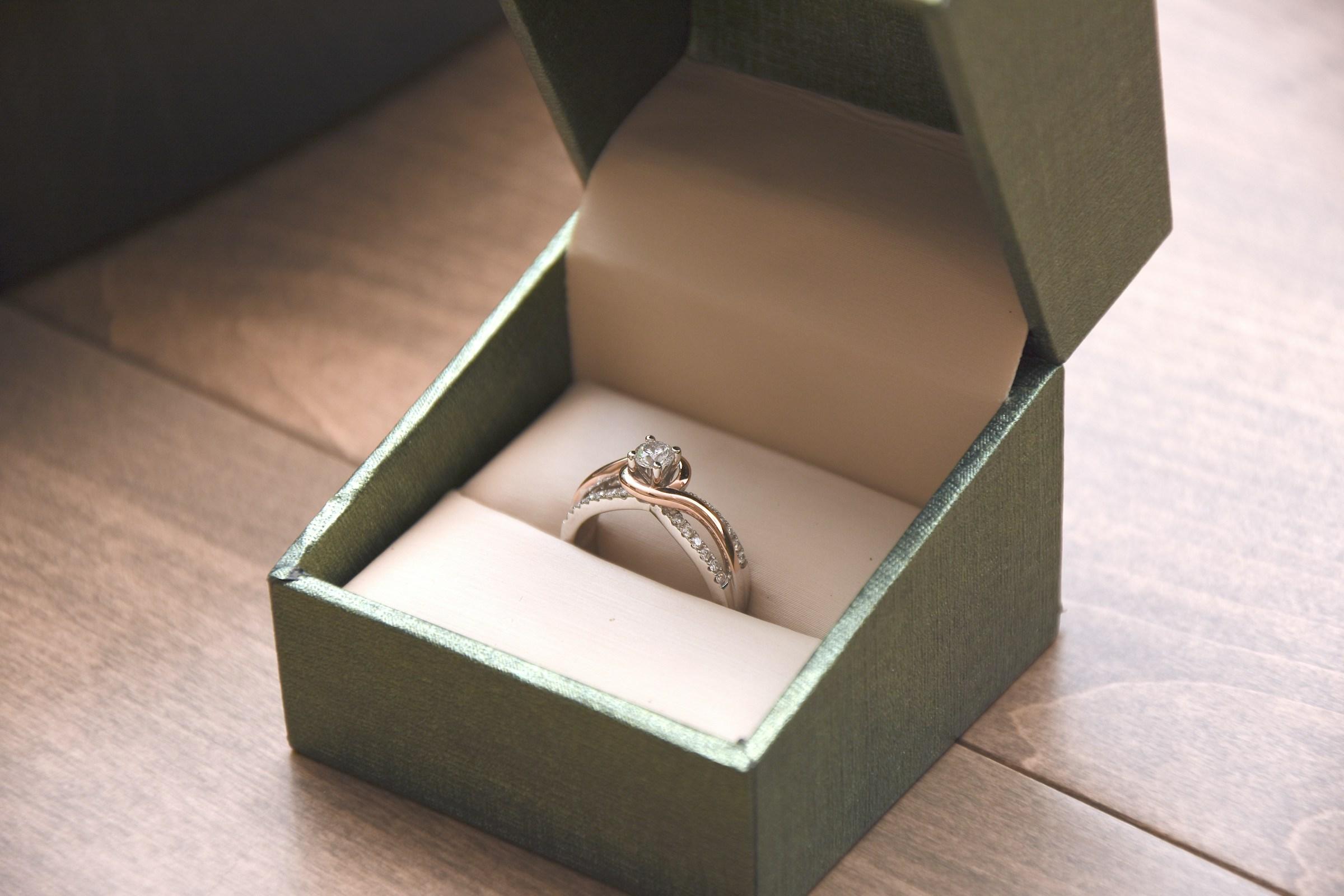
The best diamond choice is one made with a clear understanding of the stone, its origin and its documentation. Image creitd, Jackie Tsang, Unsplash source
The lab grown versus natural debate is not going away. It is likely to become more important as younger consumers enter the market and ask different questions about luxury, price and meaning.
The jewellery industry should not use confusion as a sales tool.
Lab grown diamonds can be beautiful, accessible and entirely right for the person buying them. Natural diamonds can carry rarity, origin and emotional significance that remains deeply meaningful to many customers.
The role of a good jeweller is not to make that decision for someone. It is to explain the differences clearly enough for them to make it with confidence.
HIGH JEWELLERYFEB 2, 2026
Cartier En Équilibre: High Jewellery in a State of Poised Tension
Cartier unveils the latest En Équilibre chapter in Paris, exploring balance through colour, tension and architectural design
READ MORE
BULGARIFEB 19, 2026
Bulgari and Dua Lipa: Redefining Modern Luxury Through Cultural Influence
Bulgari names Dua Lipa as global ambassador, blending the maison’s heritage with contemporary cultural influence
READ MORE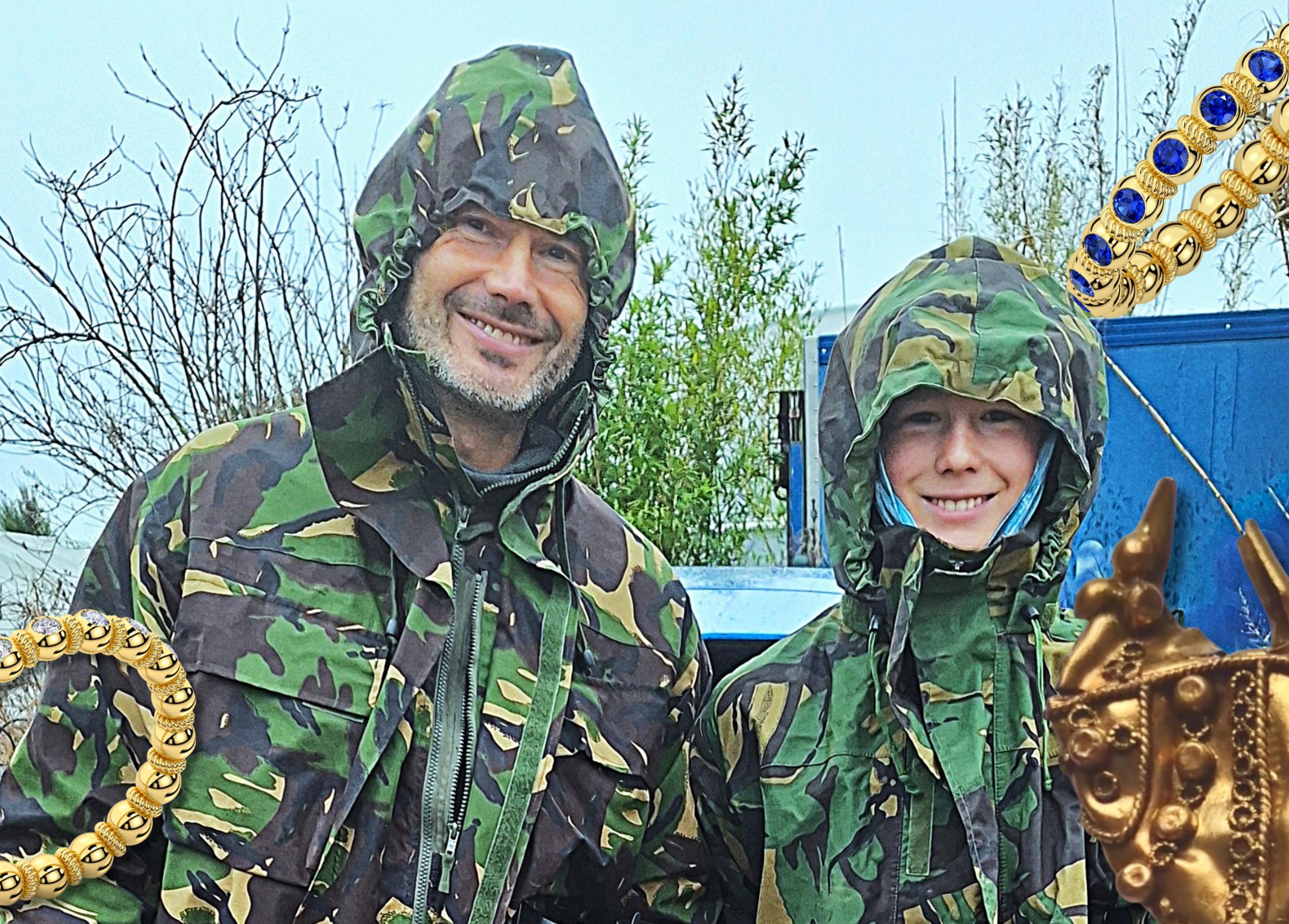
ANDREW GEOGHEGANFEB 20, 2026
Treowth — Andrew Geoghegan’s Anglo-Saxon Discovery Sparks a New Fine Jewellery Chapter
A Saxon gold fragment discovered in Lincolnshire inspires Andrew Geoghegan’s new Treowth collection, beginning with the Goldwin eternity band
READ MORE


0 Comments
You must be logged in to comment. Click here to login.