





Don't miss a gem


The new industry body promises stronger retail support, greater consumer trust and a measurable plan for rebuilding natural diamond demand
The Diamond Collective sets out a new strategy to rebuild trust and demand for natural diamonds
The Natural Diamond Council has become The Diamond Collective, introducing a new public identity, a purple colour palette and the line “Old Soul, New Energy”. The name is more open and less institutional, but changing the sign above the door is the simplest part of what the organisation is trying to do.
The more important change sits behind the rebrand. The Diamond Collective wants to move the natural diamond industry away from separate campaigns and defensive arguments towards shared investment, clearer consumer information and marketing that can be judged by its effect on demand.
The organisation began as the Diamond Producers Association in 2015 and became the Natural Diamond Council in 2020. The Diamond Collective is therefore its third public identity in just over a decade, although the Natural Diamond Council name will remain as the legal entity.
Another name alone will not change the market, and the organisation appears to recognise that. Its new strategy is built around three priorities: Unite the trade, Protect consumer confidence and Inspire greater desire for diamonds.
Those words are broad enough to sit inside almost any industry strategy, but the detail beneath them is more useful. Plans include a legally protected universal Trustmark, stronger provenance storytelling, a global retail growth platform, guidance for AI-led discovery, global steering committees and a Diamond Desire Index.
This is not simply a new campaign. It is an attempt to build a more connected system around the promotion of natural diamonds.
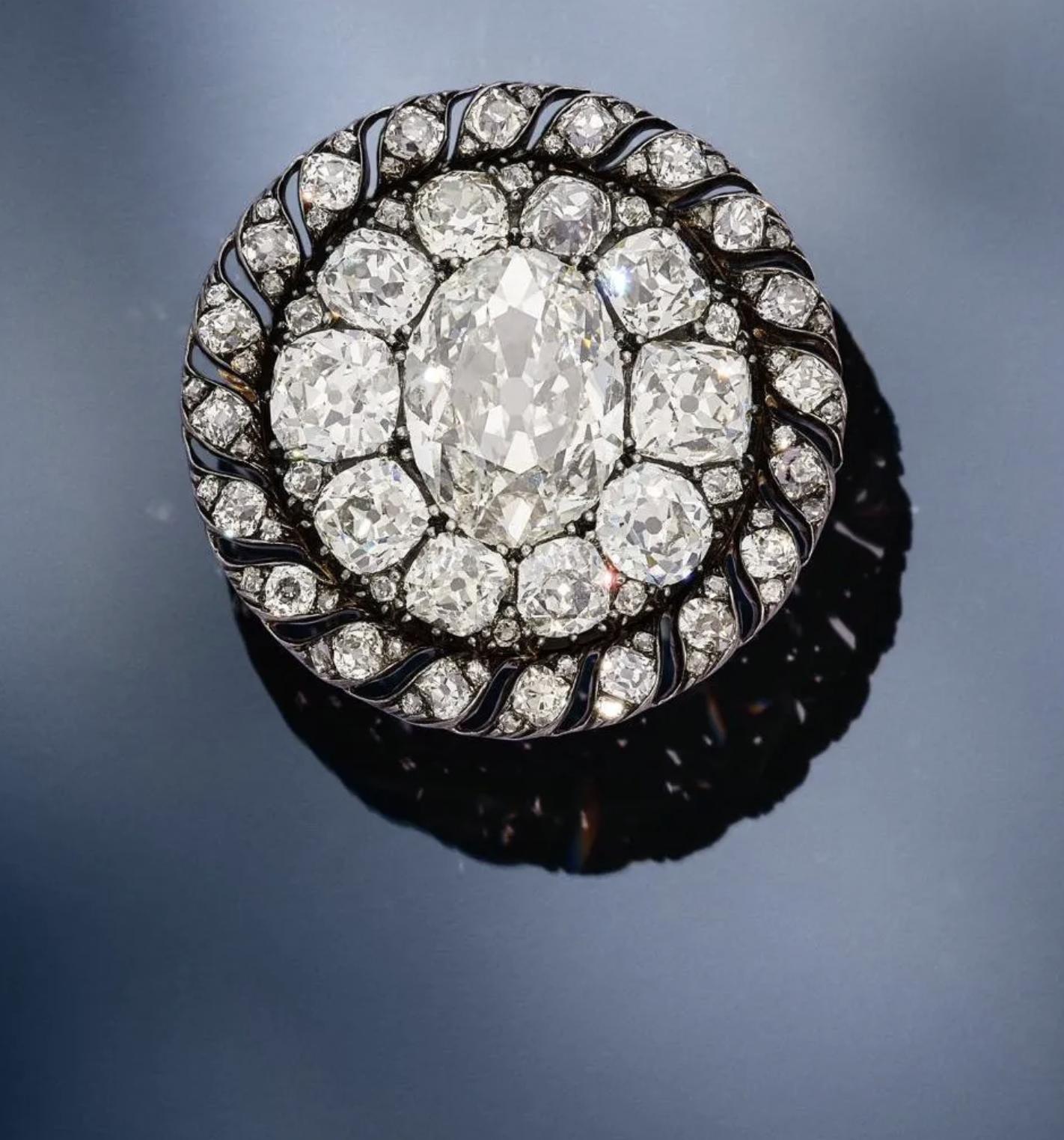
Old mine-cut diamond brooch formerly owned by Emperor Napoleon Bonaparte. Courtesy of Sotheby’s
The change in tone is significant. For several years, much of the natural diamond conversation has been shaped by the need to answer questions about laboratory-grown stones, pricing, provenance and environmental impact.
Those questions cannot be ignored, but constant comparison is not the same as giving somebody a reason to buy. A category that speaks only when it is defending itself allows its competitors, critics and wider market conditions to set the agenda.
The Diamond Collective says it wants to change that by putting diamonds back into culture, fashion and creative storytelling. Its first fashion partnership is expected in 2027, while future activity will build on consumer-facing initiatives such as World Diamond Day.
That is the right direction because desire rarely begins with a technical rebuttal. It begins when jewellery feels relevant, emotionally meaningful and worth wanting.
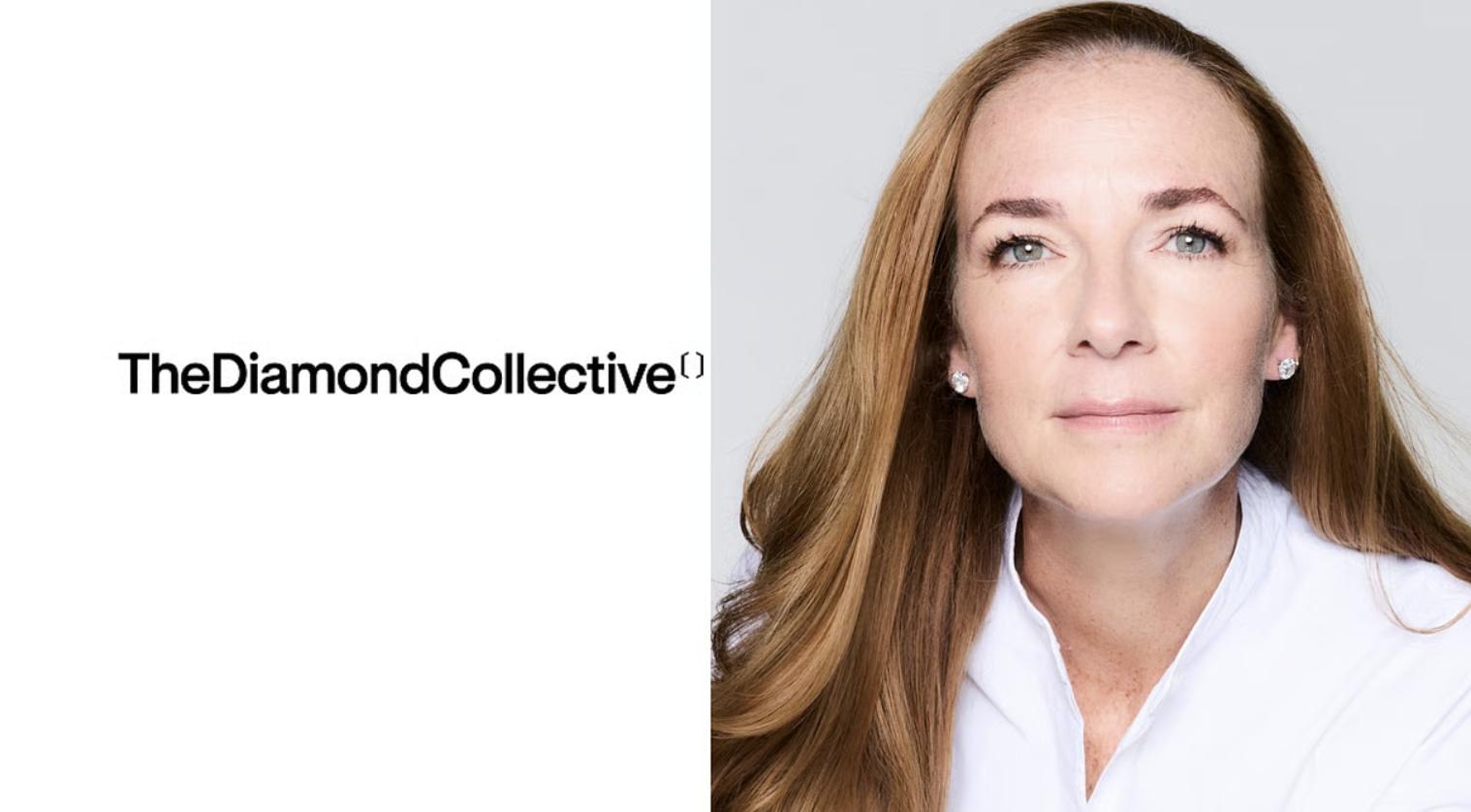
Amber Pepper, CEO of The Diamond Collective, which replaces the Natural Diamond Council as the organisation’s public-facing identity. Image courtesy of The Diamond Collective
The word “Collective” suggests wider participation than “Council”, and that is potentially the most valuable part of the new identity. The strategy describes a move from a solely producer-funded marketing body to an industry-wide organisation open to more of the value chain, recognising that retailers, designers and brands turn category marketing into conversations with customers.
For the strategy to succeed, participation must mean more than asking the trade to repost campaign assets. Independent jewellers need usable photography, clear language, staff education, provenance information and consumer tools that make a difference at the point of sale.
The proposed global retail growth platform is therefore one of the commitments worth watching most closely. The document promises a more commercially focused approach to partnerships, consumer experience and store-team engagement, which begins to address how global messaging might become useful inside an individual jewellery business.
Designers and brands also need room to tell diamond stories in their own voices. A collective will be strongest when it creates a shared foundation without making every retailer, campaign and piece of jewellery sound the same.
The Global Steering Committees could help achieve that if they bring genuine influence from across the supply chain. Their value will depend on whether the people closest to customers can shape the work, not simply endorse it after the decisions have been made.

A rough natural diamond held up to the light, reflecting The Diamond Collective’s renewed focus on origin and provenance. Image courtesy of The Diamond Collective
One of the clearest proposals is a legally protected universal Trustmark intended to identify natural diamonds. The Diamond Collective plans to pilot it with leading retailers before a wider rollout, giving the project a chance to be tested where customer questions actually arise.
The need for that clarity has grown as natural and laboratory-grown diamonds increasingly sit beside one another in shops and online. Customers should not have to understand the structure of the diamond trade before they can feel confident about what they are buying.
The mark will only work if it is consistent, independently credible and visible across brands and markets. It also needs a clear explanation, because another logo without strong consumer recognition risks becoming something the industry understands but the public overlooks.
There is an interesting tension here. The organisation has removed “Natural” from its public-facing name because it does not want diamonds defined by a qualifier, yet one of its most practical projects is a mark created specifically to identify natural origin.
That does not make the strategy contradictory, but it shows where the communication challenge lies. The public brand can be confident and emotionally led, while the tools used at the point of sale still need to be precise.

Diamond jewellery takes a more fashion-led direction as The Diamond Collective looks to reconnect the category with culture and creativity. Image courtesy of The Diamond Collective
The proposed Diamond Desire Index is another important development. Created with research partner Basis, it will track consideration, purchase intent, sentiment and recommendation among Gen Z and Millennials across the United States, India and China.
The first baseline is due in the fourth quarter of 2026, followed by annual reporting alongside external market and commercial data. That should give the industry a clearer view of how attitudes are changing and where investment could have the greatest effect.
However, desire and intention are not the same as purchase. The Index will become far more valuable if its findings can be connected to retail enquiries, conversion, average transaction values and wider category sales.
The Diamond Collective has set itself a commercial ambition: more people choosing diamonds, more often. Its measurements should eventually be able to show whether that is happening, not only whether consumers say they like the idea.
Most customers will never read an industry strategy or study the history of the organisation behind it. They will encounter its work through a campaign, a social post, a designer, a jeweller, an AI-generated answer or a conversation in store.
That makes retailers central to the success of the rebrand. The promised training and practical guidance around AI discovery will matter too, because customers are increasingly forming opinions through search and digital tools before they ever enter a shop.
If the new identity produces better questions from customers, clearer sales conversations and greater confidence in natural diamonds, it will have achieved something useful. Those outcomes will say far more about the rebrand than awareness of The Diamond Collective name itself.
If it remains primarily visible within the trade, the new name will make little difference. The industry does not need another identity that it can explain to itself; it needs a platform that helps the public understand why diamonds remain distinctive, desirable and relevant.
The move from Council to Collective is a smart one because it acknowledges that no single part of the diamond industry can rebuild demand alone. Producers, manufacturers, designers, brands and retailers all shape how a diamond reaches the public and what it means when it gets there.
The most promising parts of the strategy are not the logo or the new colour palette. They are the practical ideas: a recognisable Trustmark, stronger retail support, better provenance stories, AI guidance, cultural partnerships and a serious attempt to measure whether the work is changing behaviour.
There are still questions to answer, particularly around funding, representation and how closely consumer sentiment will be tied to real sales. Dropping “Natural” from the name may also create short-term confusion unless the distinction is made consistently everywhere else.
The Diamond Collective has chosen a name that promises participation. Its success will depend on whether the whole trade can see itself in the work, use it confidently and feel the difference where it matters most: when a customer decides what to buy.
Explore The Diamond Collective and its new consumer-facing platform at thediamondcollective.world. Its strategy sets out plans for a universal Trustmark, Diamond Desire Index, Global Steering Committees, retail partnerships and new cultural programmes.
INSIGHTSJUL 19, 2025
UK Jewellery Sector Demands Government Action for Small Businesses
UK jewellery and allied craft leaders unite to call for urgent government reform, highlighting the structural challenges facing small and microbusinesses.
READ MORE
GJEPCJUL 27, 2025
A Pact Signed in Power — and Sealed in Gold
India–UK FTA signed by Modi and Starmer unlocks $2.5bn trade vision for Indian jewellery exports
READ MORE
INDUSTRY & POLICYAUG 8, 2025
Tariff Shock – What Trump’s 50% Duties Mean for India’s Gold, Jewellery & Diamond Trade
India’s jewellery and diamond industries face unprecedented pressure as US tariffs jump to 50%, prompting official backlash and rapid readjustments in trade strategies.
READ MORE