






Don't miss a gem
A new consumer guide highlights the growing risks facing buyers as jewellery sales move rapidly into the digital marketplace
A new consumer guide highlights the risks of buying jewellery online, from missing UK hallmarks to misleading metal descriptions and unregulated overseas sellers

Buying jewellery online has never been easier. With a few clicks, consumers can order rings, bracelets or diamond pieces from sellers anywhere in the world. But as the digital marketplace grows, so do the risks.
A new consumer guide circulating within the jewellery trade raises concerns about how easily buyers can be misled when purchasing jewellery online — from unclear metal descriptions and missing hallmarks to AI-generated storefronts and misleading reviews.
While the internet has opened the global jewellery market, it has also created a landscape where trust is not always guaranteed.
At the centre of the discussion is one of the oldest systems protecting jewellery buyers: the hallmark.
In the United Kingdom, precious metal jewellery above certain weight thresholds must be independently tested and stamped by an Assay Office before it can legally be sold as gold, silver, platinum or palladium. The requirement is set out under the Hallmarking Act 1973, legislation designed to protect consumers from fraud.
A complete hallmark includes three key elements: the Assay Office mark, a metal purity mark confirming the fineness of the metal, and the sponsor or maker’s mark identifying the business responsible for submitting the piece for testing.
Without these marks, there is no independent verification that the metal content matches the description.
In a market increasingly dominated by international online sellers, that distinction has never been more important.

UK Assay Office's
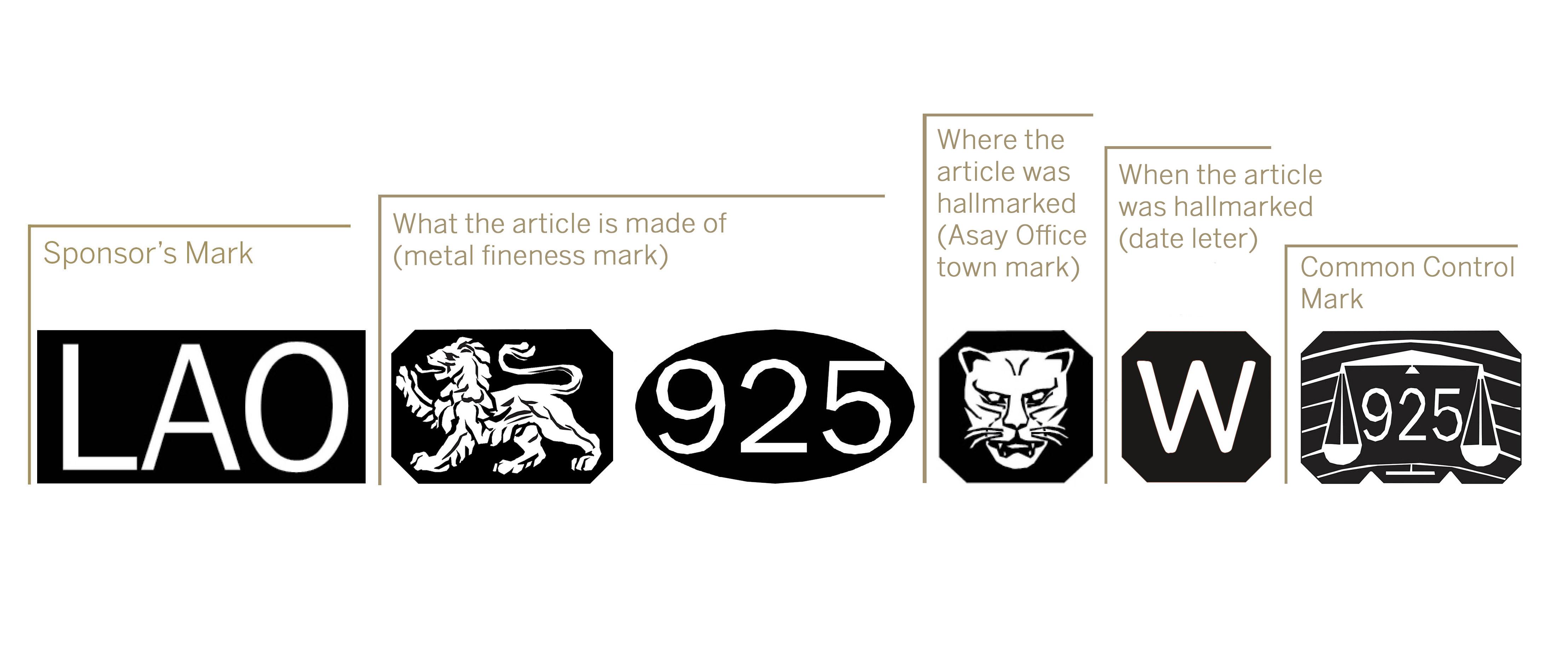
This Convention hallmark shows 3 compulsory component legal marks plus the 925 Common Control Mark to indicate sterling silver - Goldsmiths' Company Assay Office
One of the guide’s central warnings concerns the language used in online jewellery listings.
Consumers often assume that the word “gold” guarantees a precious metal product. In reality, listings may refer to gold-plated, gold-tone or gold-coloured jewellery made from base metals.
This difference is not always obvious in online listings, particularly when product descriptions are vague or buried in fine print.
Without hallmarking and clear metal declarations, buyers may have little protection if the product turns out not to be what they expected.
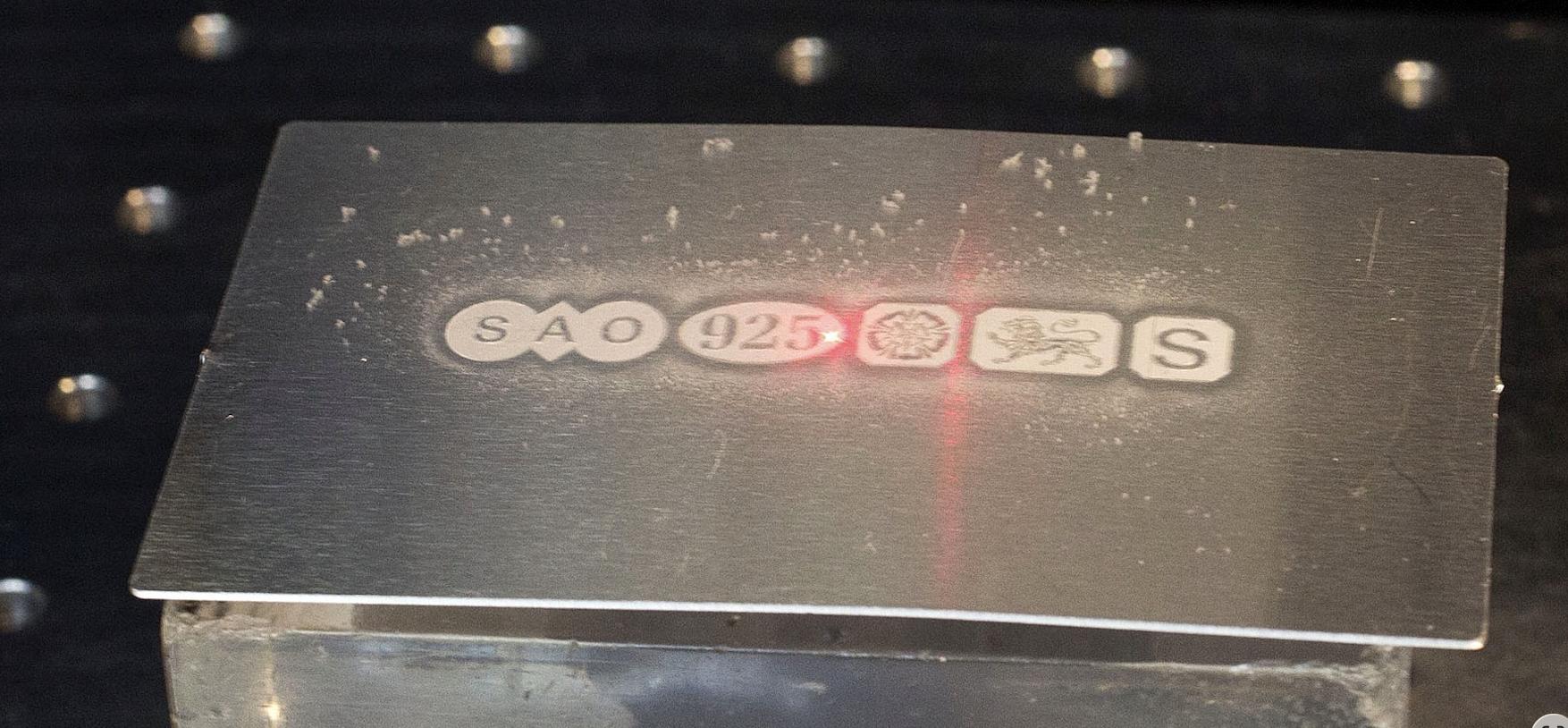
Sheffield Assay Office
Online marketplaces have dramatically expanded the reach of jewellery sellers, but they also create challenges for regulation and enforcement.
Jewellery sold directly from overseas may never pass through a UK Assay Office, meaning the metal purity may not have been independently verified.
Trading Standards authorities have repeatedly highlighted the importance of hallmarking enforcement, noting that fraudulent descriptions of precious metal jewellery continue to appear in the marketplace.
In some cases, consumers may not even realise that an item described as precious metal jewellery should legally carry a hallmark.
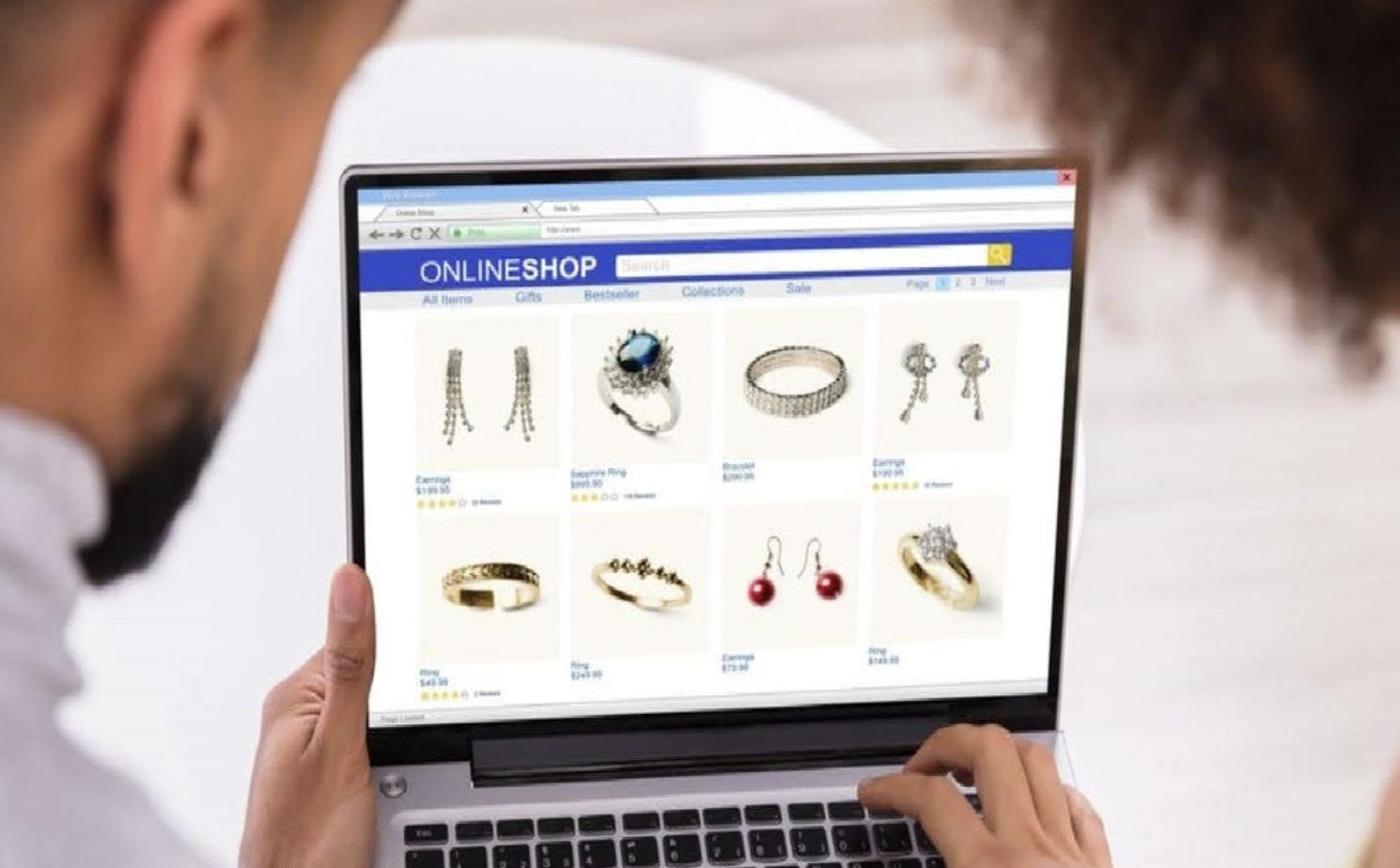
Another emerging concern highlighted in the guide is the role of artificial intelligence in creating convincing but misleading online stores.
Images generated by AI, cloned websites and automated product descriptions are increasingly difficult for consumers to identify. Combined with aggressive online marketing and large numbers of reviews, these storefronts can appear legitimate even when the products themselves are not.
The problem is amplified by the speed at which new websites can appear — and disappear — within the global online marketplace.
The guide also highlights a lesser-known tactic known as “brushing”.
In this scheme, sellers send inexpensive items to random addresses, then use the delivery data to post fake “verified purchase” reviews online. The result is an artificially inflated reputation that can make a seller appear far more trustworthy than they really are.
For consumers relying on reviews to judge whether a jeweller is reputable, this practice can distort the entire decision-making process.
While misleading descriptions and counterfeit metals pose financial risks, there are also potential safety concerns.
Jewellery sold without proper compliance may contain metals restricted under safety regulations such as nickel, lead or cadmium, substances controlled under EU REACH chemical safety laws. These regulations exist to protect consumers from allergic reactions and toxic exposure.
Overseas sellers who operate outside UK regulatory frameworks may not always comply with these standards.
None of this means consumers should avoid buying jewellery online altogether. But it does underline the importance of buying from trusted retailers and established jewellers who comply with UK hallmarking and safety standards.
Industry bodies such as the National Association of Jewellers (NAJ) provide additional reassurance, as members must adhere to professional codes of conduct and recognised trade standards.
For consumers navigating the digital marketplace, these signals of credibility can make a significant difference.
The global jewellery market has changed dramatically over the past decade. Social media, online marketplaces and direct-to-consumer brands have made jewellery more accessible than ever before.
But accessibility must be balanced with trust.
Hallmarks, assay offices and regulatory frameworks exist for a reason — they provide the independent verification that protects both consumers and honest jewellers.
As more jewellery purchases move online, understanding those protections may be more important than ever.
The insights referenced in this article come from “The Consumer Guide to Buying Jewellery Safely Online,” written by jewellery professional Jayne Bond, who has worked within the UK jewellery trade for more than two decades.
The guide was created to help consumers understand the risks associated with online jewellery purchases, particularly around hallmarking, misleading metal descriptions and overseas sellers operating outside UK safety standards.

INSIGHTSJUL 19, 2025
UK Jewellery Sector Demands Government Action for Small Businesses
UK jewellery and allied craft leaders unite to call for urgent government reform, highlighting the structural challenges facing small and microbusinesses.
READ MORE
GJEPCJUL 27, 2025
A Pact Signed in Power — and Sealed in Gold
India–UK FTA signed by Modi and Starmer unlocks $2.5bn trade vision for Indian jewellery exports
READ MORE
INDUSTRY & POLICYAUG 8, 2025
Tariff Shock – What Trump’s 50% Duties Mean for India’s Gold, Jewellery & Diamond Trade
India’s jewellery and diamond industries face unprecedented pressure as US tariffs jump to 50%, prompting official backlash and rapid readjustments in trade strategies.
READ MORE