






Don't miss a gem
From royal blue to pink, green and gold, sapphire’s unexpected spectrum is inspiring a new generation of jewellery
September’s birthstone comes in far more than blue. Discover sapphire’s rainbow of colours and the jewellers transforming this ancient gem

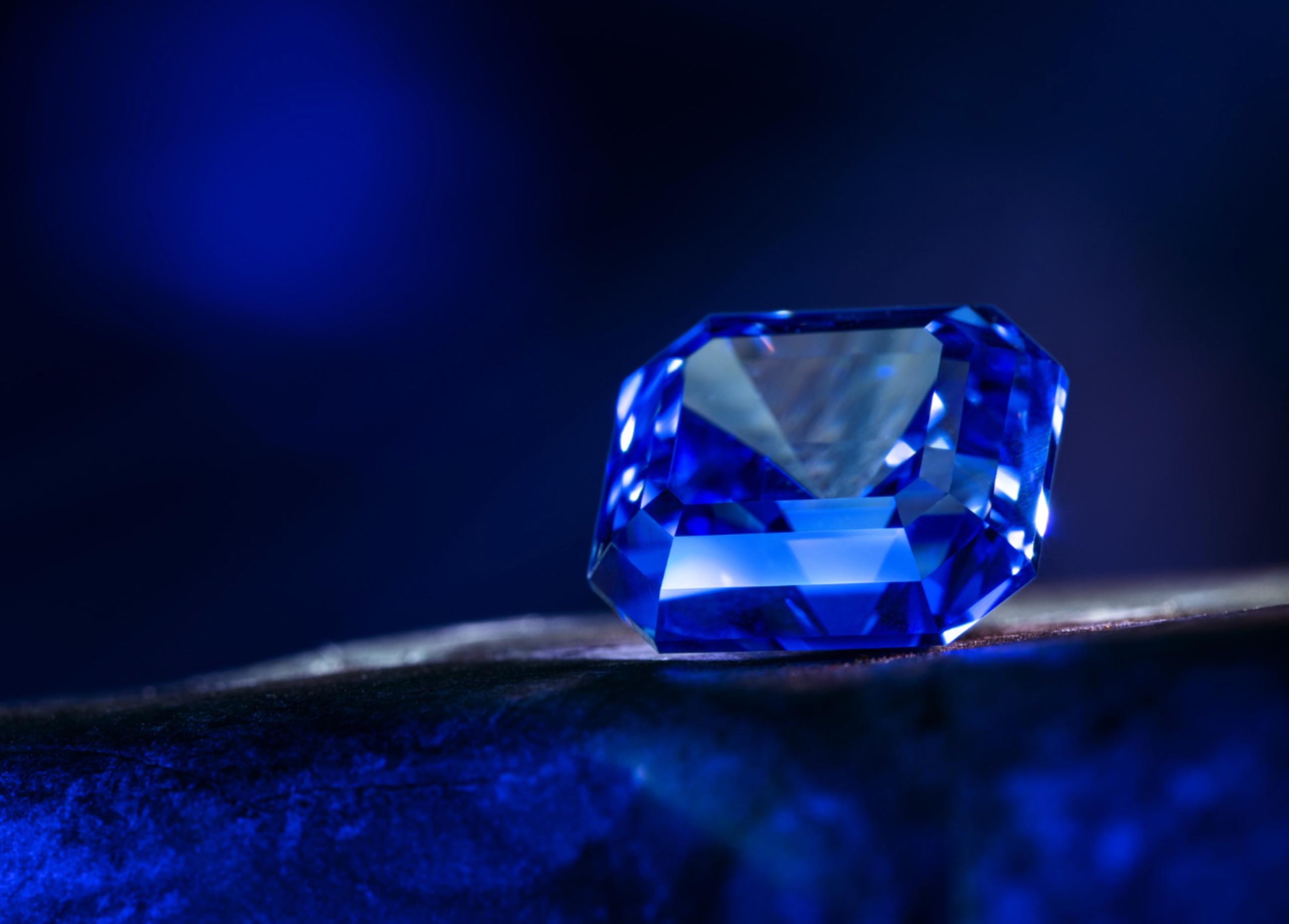
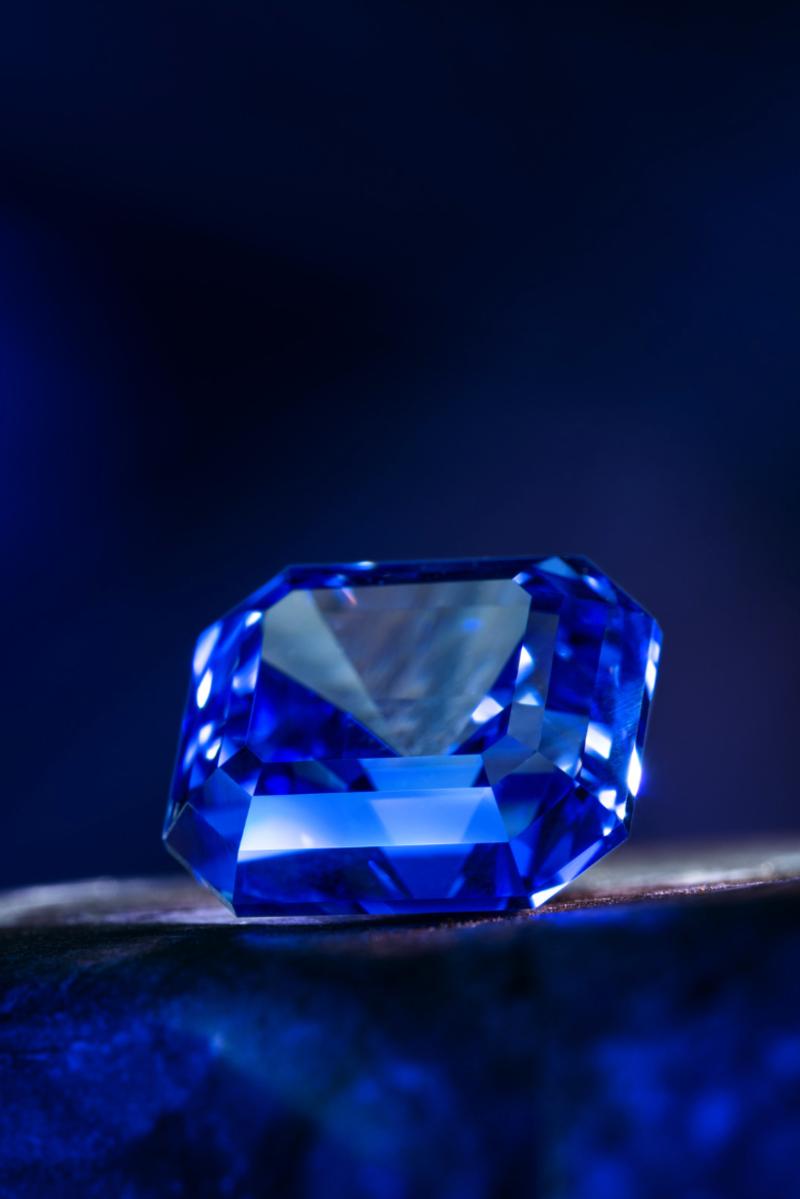
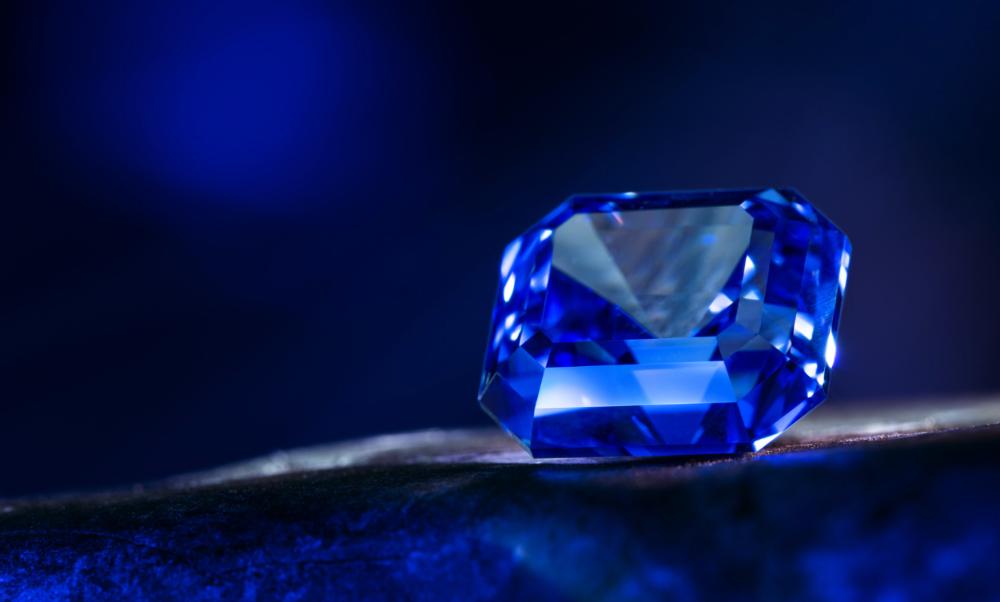
September’s birthstone is synonymous with a deep, celestial blue. Look closer, however, and sapphire reveals itself in pink, yellow, green, violet and almost every shade in between.
Mention sapphire and the mind turns instinctively to blue: the inky velvet of a midnight sky, the clear brilliance of tropical water or perhaps the famous engagement ring worn first by Diana, Princess of Wales, and now by Catherine, Princess of Wales.
It is a formidable association. For centuries, blue sapphire has been linked with sincerity, faithfulness and nobility. Clerics wore it as a symbol of heaven, while royalty believed it offered protection from envy and harm. Even its name, derived from the Greek sappheiros, has become almost interchangeable with the colour.
Yet blue tells only part of the story.
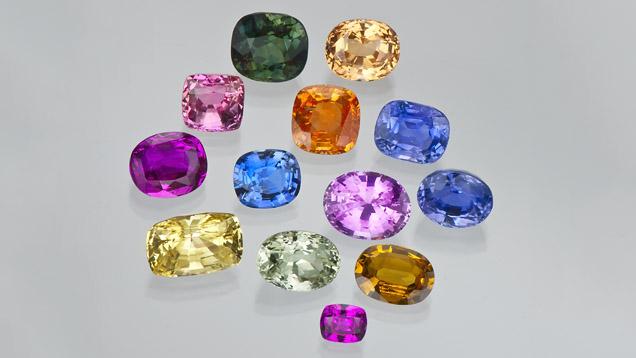
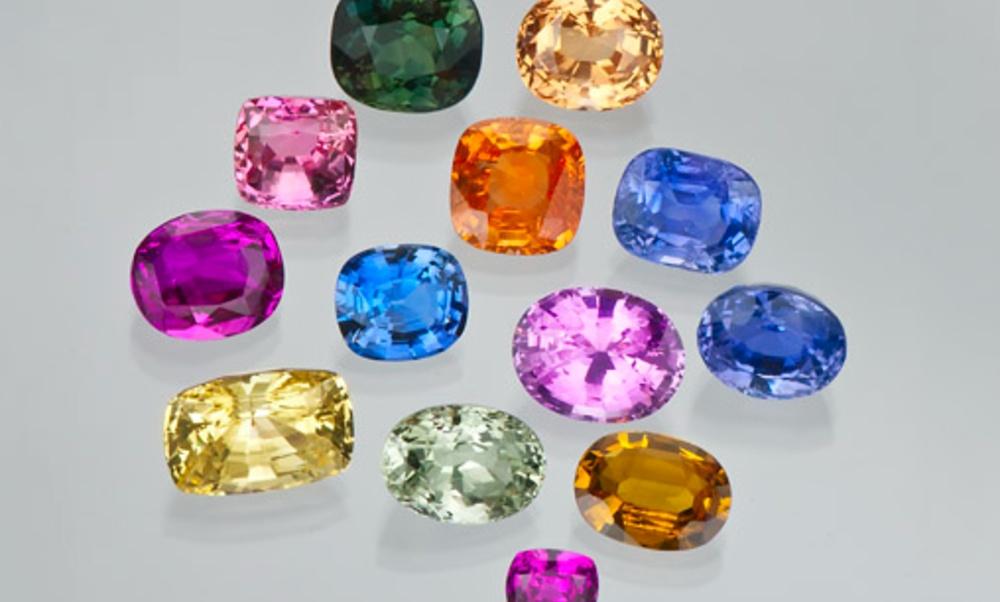
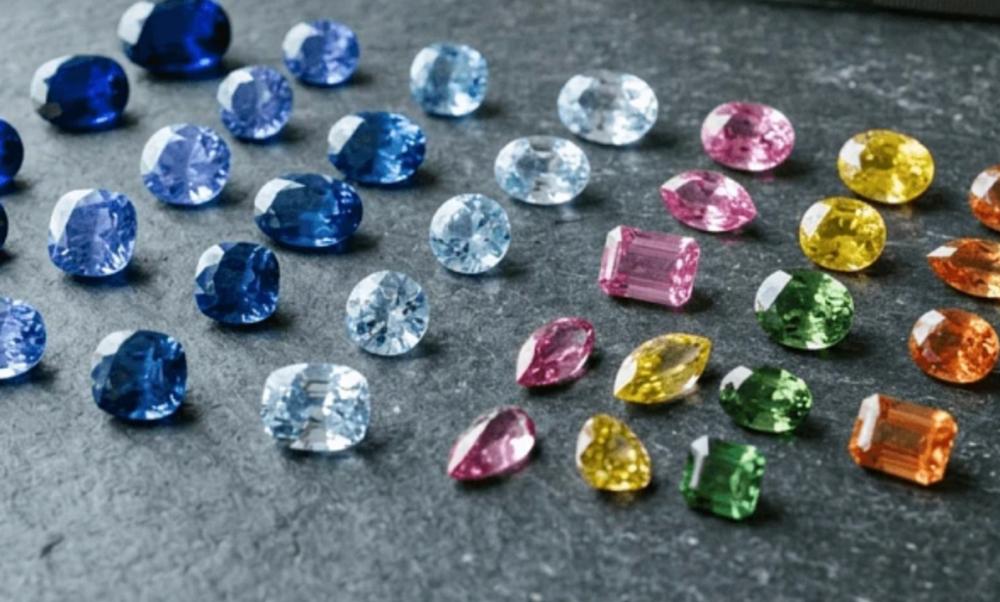
Sapphire, September’s birthstone, appears in almost every colour of the rainbow. There are blush-pink stones and intensely saturated magentas; golden yellows, leafy greens, pale lilacs and smoky blacks. Some sapphires hold two colours at once, while others appear to change shade as they move between daylight and artificial light.
The red exception is ruby, but even ruby belongs to the same mineral family.
This broader spectrum is prompting designers and collectors to reconsider what sapphire can be. Freed from its reputation as the respectable blue stone of royal engagement rings, it has become one of contemporary jewellery’s most expressive materials.
Both sapphire and ruby are varieties of corundum, a crystalline form of aluminium oxide. In its pure state, corundum is colourless; the character arrives when trace elements enter its crystal structure.
Iron and titanium are associated with blue, while chromium contributes to pink and, in greater concentrations, ruby red. Other combinations produce yellow, orange, violet and green. Gemologically, the name sapphire applies to corundum that is not classified as ruby, which is why the family encompasses such an unexpectedly broad palette.
Among the most coveted is padparadscha, the rare variety poised between pink and orange. Its name evokes the colour of a lotus blossom, although its precise boundaries have long inspired debate. The most widely accepted examples range from light to medium pinkish orange or orange-pink: neither decisively one colour nor the other, but something luminous in between.
Then there are parti-coloured sapphires, in which two or more hues occur visibly within a single stone. Rather than treating this colour zoning as an imperfection to disguise, contemporary cutters often orient the rough to celebrate the divide. The result might move from blue into green, or from gold into deep teal, giving each gem an individual landscape.
Star sapphires offer another kind of spectacle. Cut with a domed surface rather than facets, they can display a star of light created by reflections from tiny, precisely oriented inclusions. Colour-change sapphires behave differently again, shifting often from blue to purple according to the light in which they are viewed.
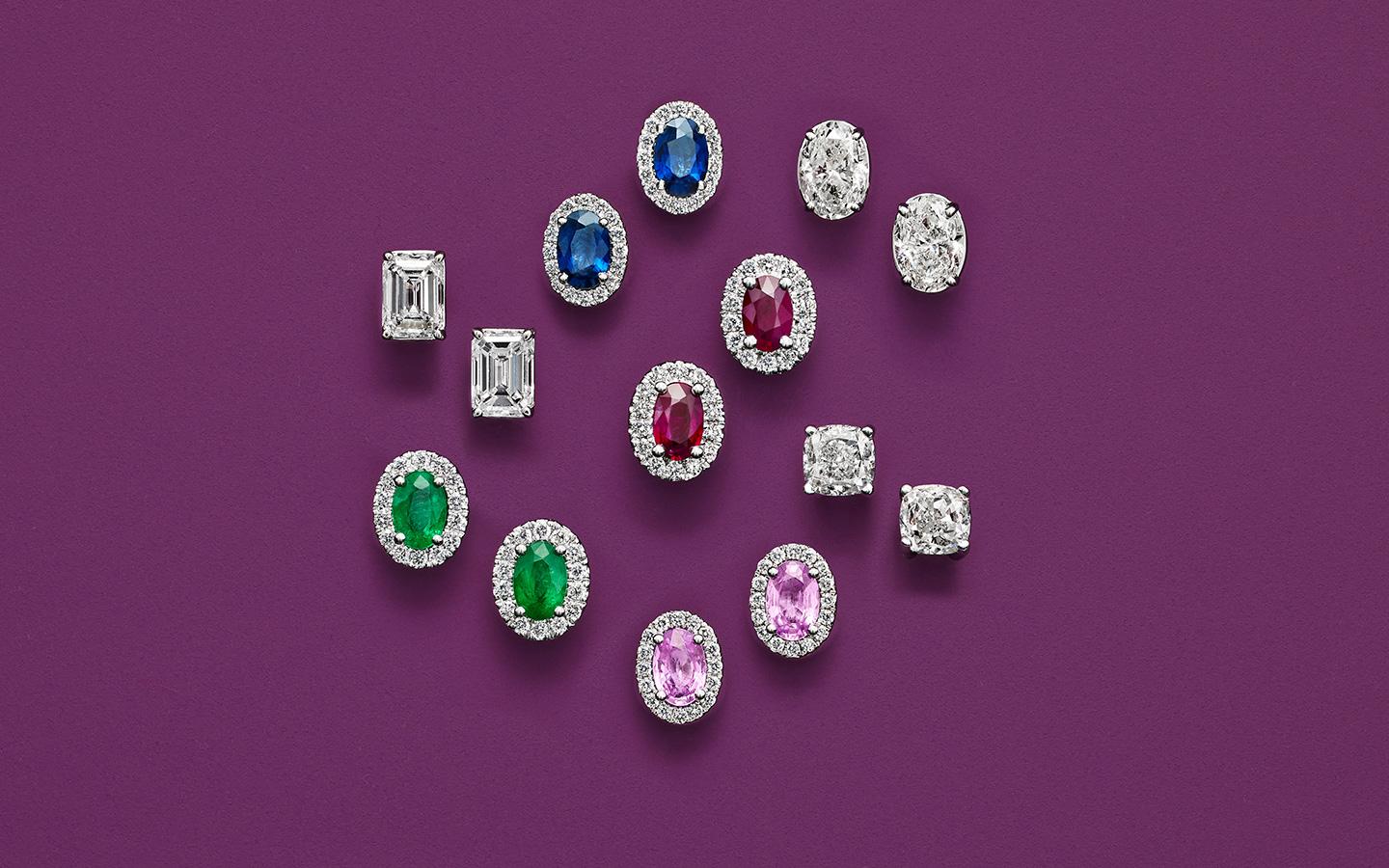
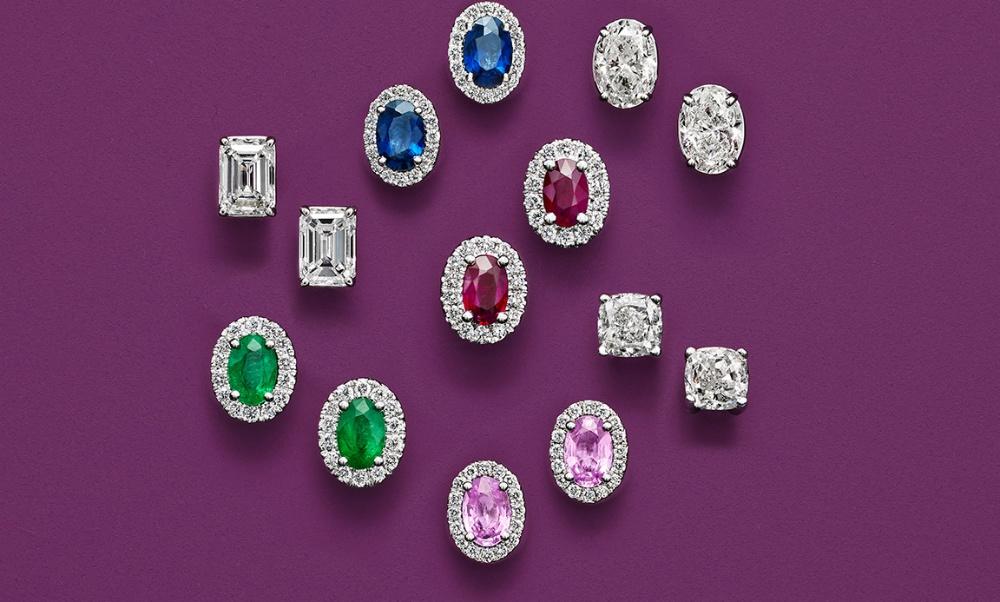
Blue and pink sapphires appear alongside rubies, emeralds and diamonds in a vivid study of coloured gemstones. Photo credit: Blue Nile
Fancy sapphires feel particularly suited to the present jewellery mood. Collectors are increasingly drawn to stones with idiosyncrasy: unexpected colour, unusual cutting and visible natural character. A silky inclusion or asymmetrical patch of colour can give a jewel personality that a conventionally perfect stone might lack.
Sapphire is also practical. With a hardness of nine on the Mohs scale, it is second only to diamond among familiar jewellery stones and has the toughness required for pieces worn regularly.
That makes it an appealing choice for engagement rings, where teal, green and bi-coloured sapphires offer a less traditional alternative without demanding especially delicate treatment.
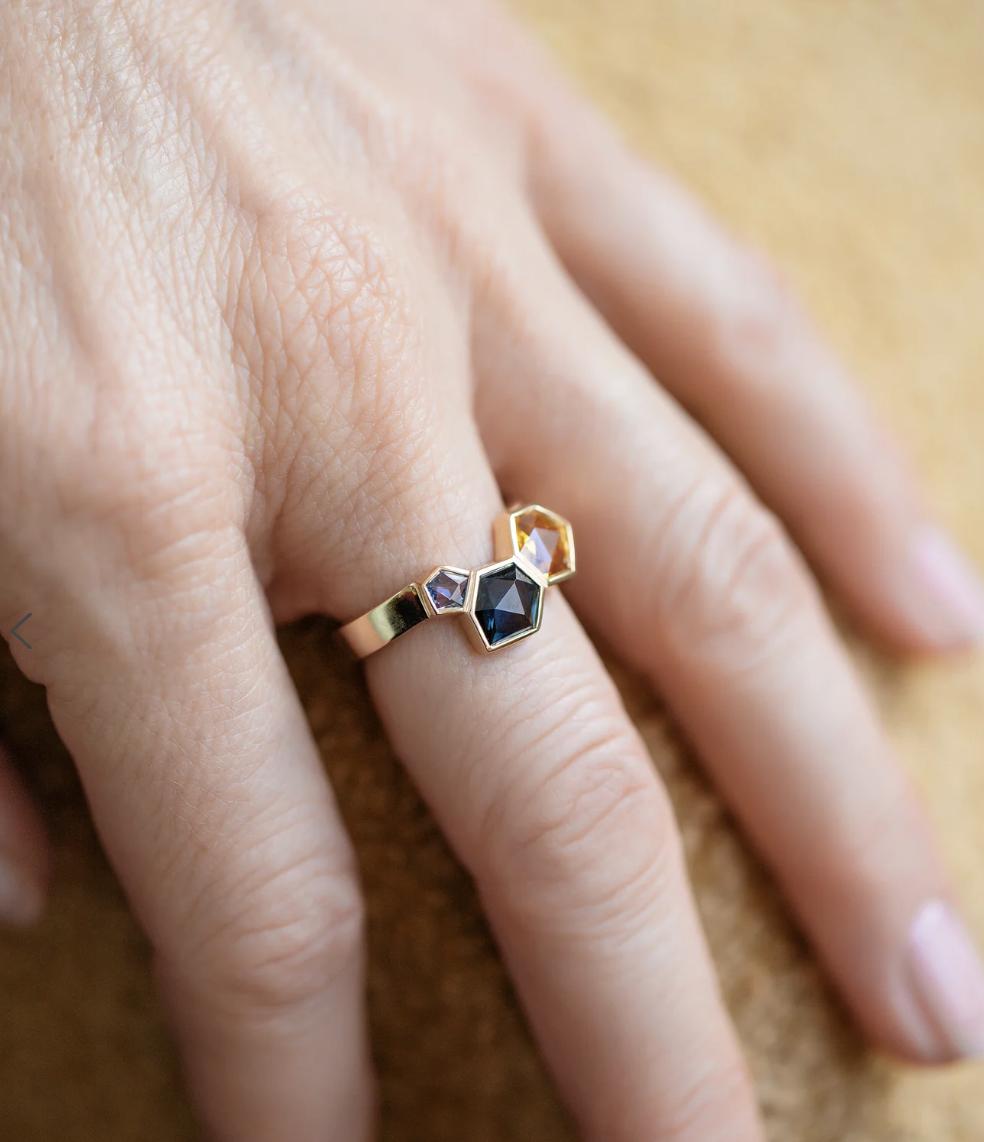
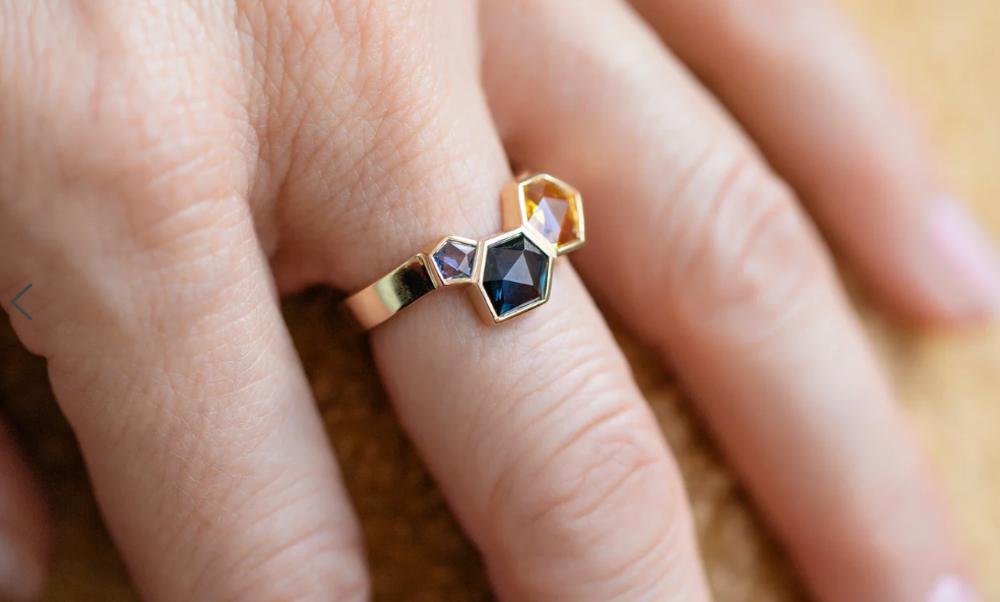
Brooklyn jeweller Mociun captures this shift beautifully. Its low-set Gusher rings allow unusually cut sapphires to lead the design, with examples ranging from peach-pink and purple to yellow, green, teal and bi-colour blue. The effect is quietly unconventional: a solitaire, but one that feels personal rather than prescribed.
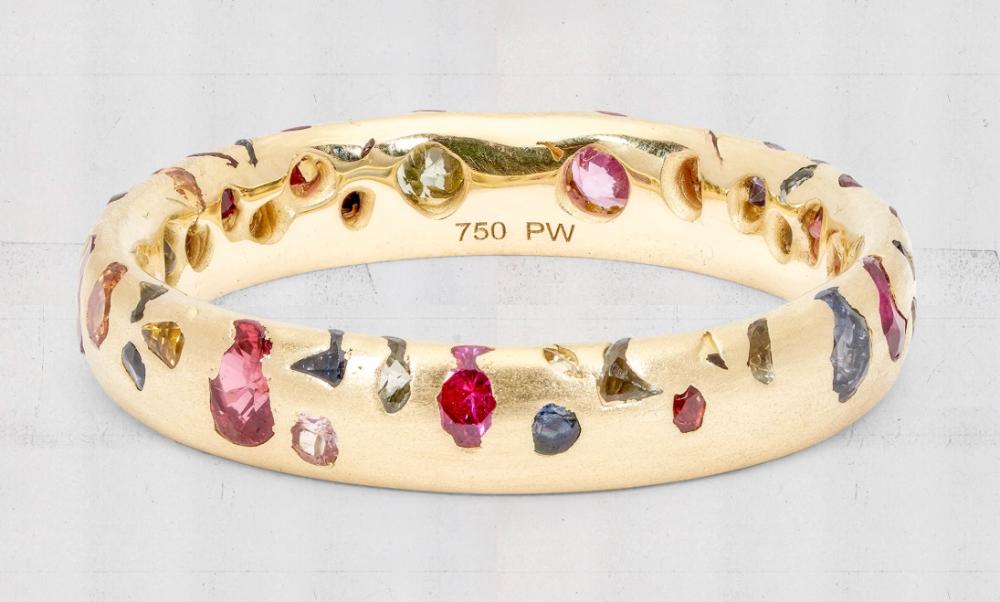
Polly Wales takes a more exuberant approach. Her sapphires appear scattered through gold in constellations and bursts of colour. Rainbow Confetti rings mix different hues and cuts, while California Sunset combinations travel through warm pink, orange and yellow. These are not jewels that ask the stones to match perfectly; their pleasure lies in the collision.
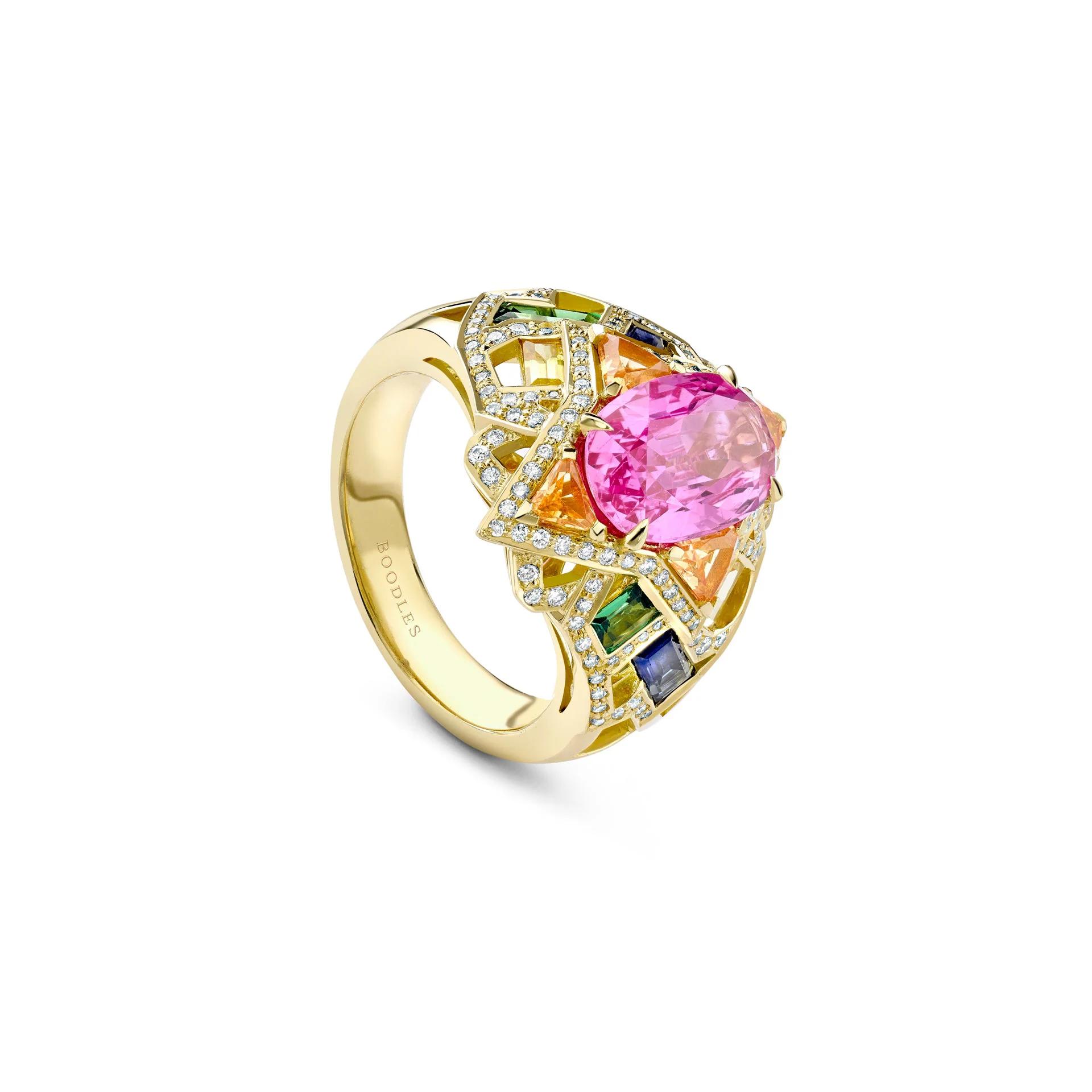
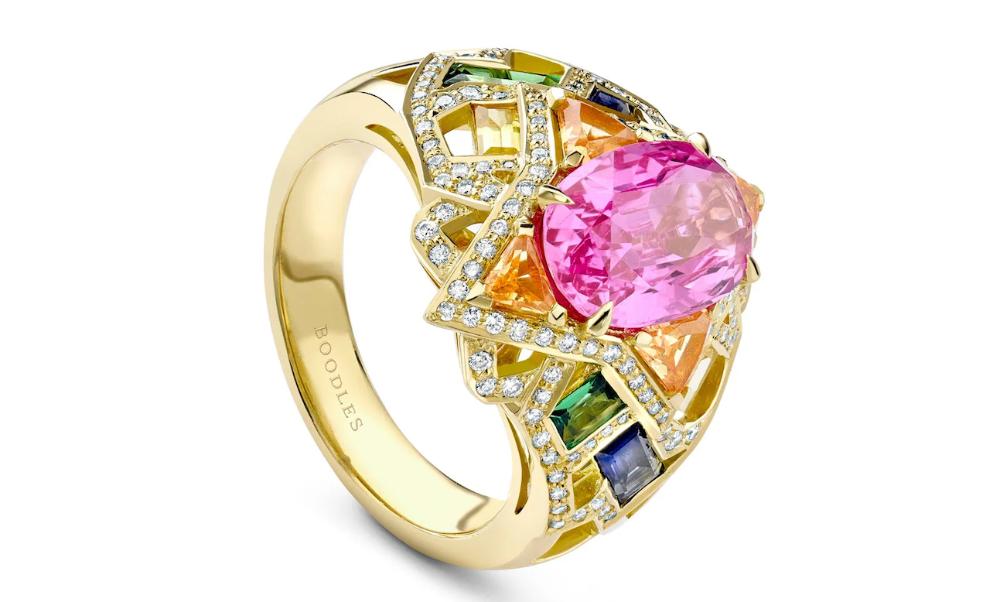
At Boodles, the Barcelona ring from the Family Journey collection makes a persuasive case for pink as a high-jewellery colour. A 3.32-carat oval pink sapphire is joined by blue and yellow sapphires, spessartite garnets, tsavorites and diamonds. It reads less like a conventional cluster than a carefully composed colour study.
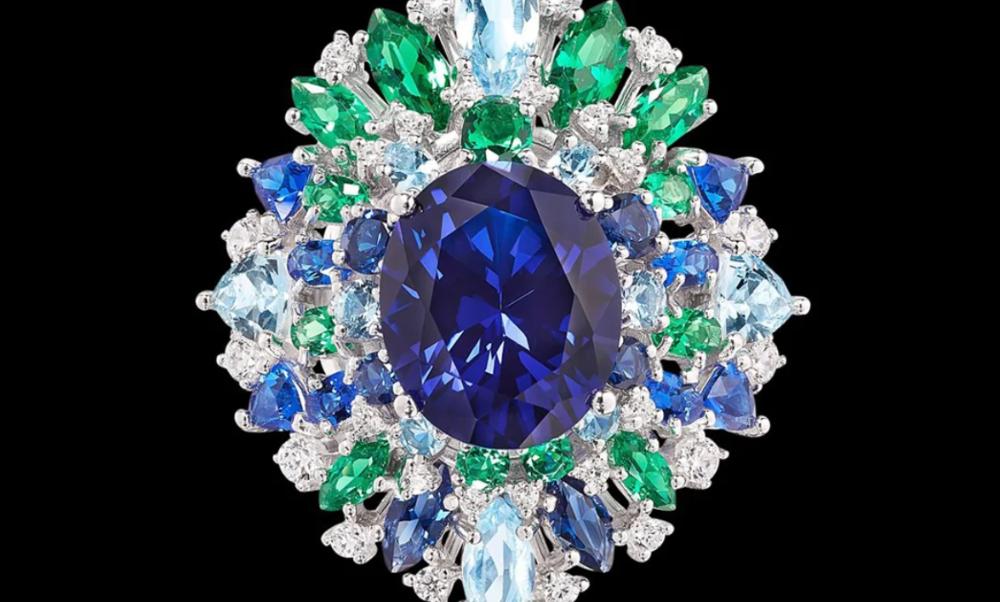
There is room, too, for a different conversation about provenance and production. Anabela Chan works with laboratory-grown and created gemstones, pairing them with recycled precious metals. Her Sapphire Mirage ring combines royal-blue lab-grown sapphires with sky-blue spinels, green stones and flashes of white—a maximalist reminder that laboratory-grown sapphire can provide colour as well as scale.
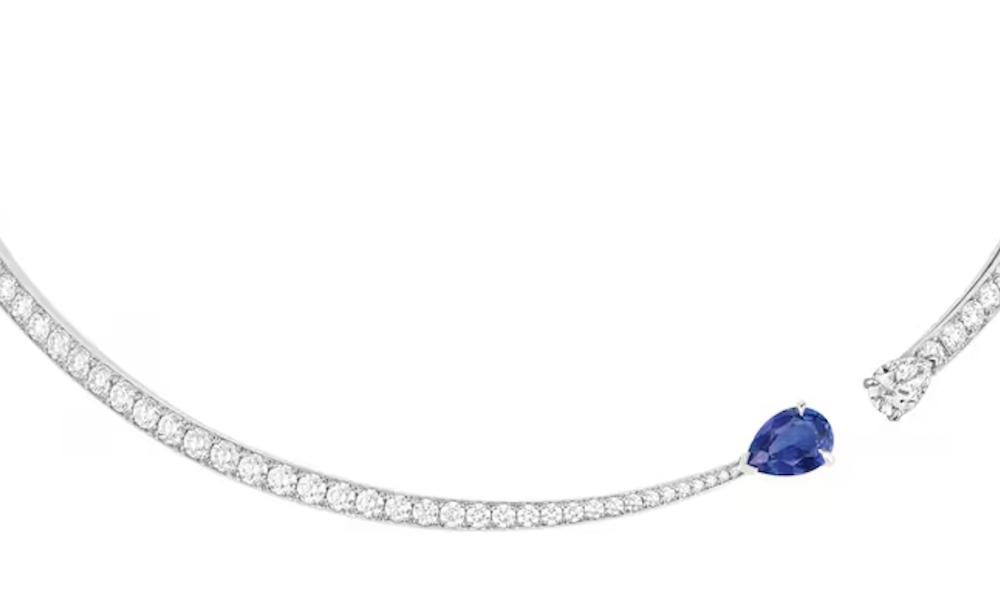
And still, the great blue sapphire retains its power. Chaumet’s Joséphine Duo Éternel necklace sets an unheated pear-shaped sapphire opposite a pear-shaped diamond in the maison’s tiara-inspired V. It is classical blue sapphire distilled to its essentials: symmetry, ceremony and saturated colour.
Polly Wales: Rainbow colour
Polly Wales’ Rainbow Confetti pieces celebrate sapphires in an exuberant mixture of colours and cuts, cast directly into gold for a deliberately irregular finish.
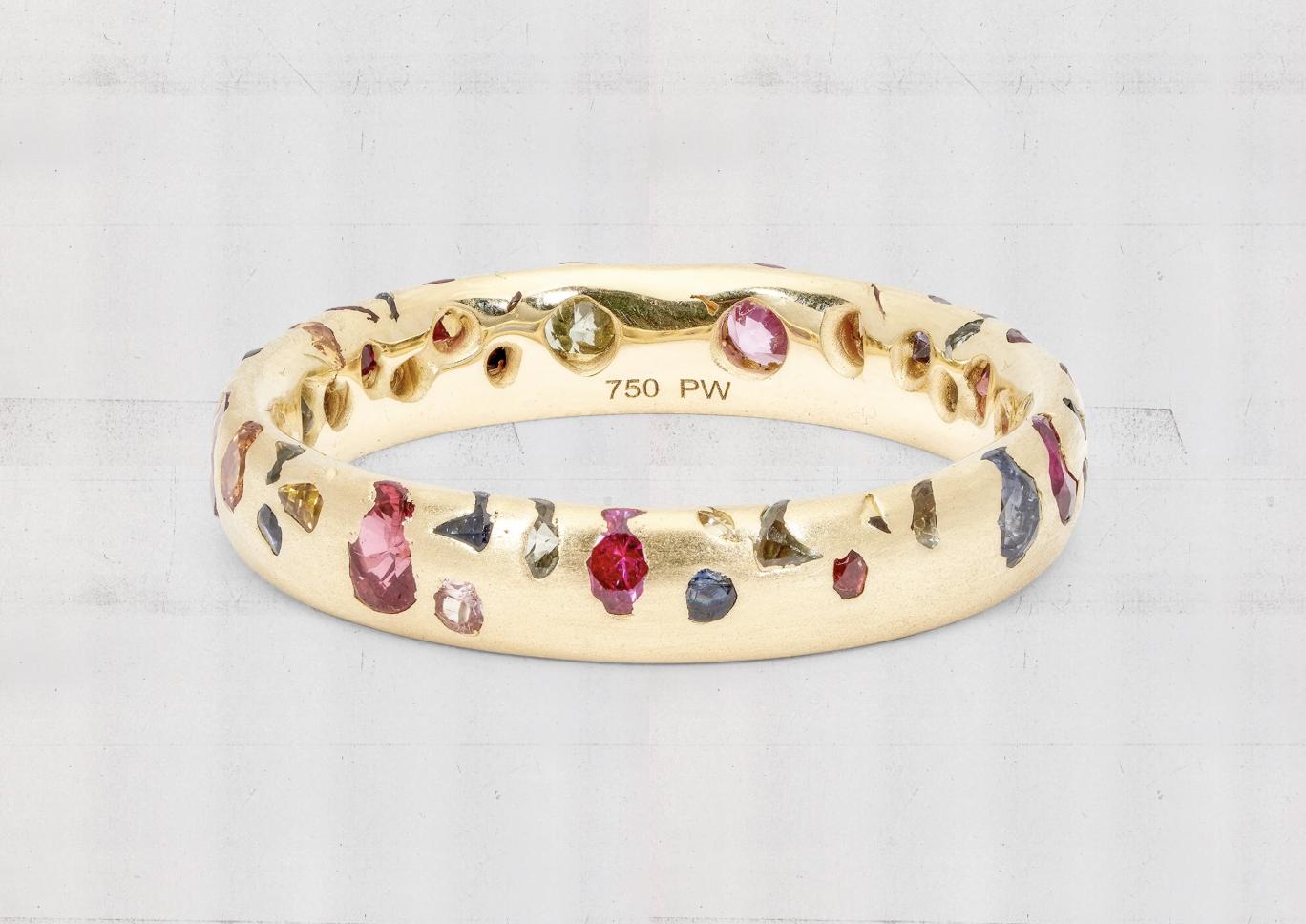
A rainbow of sapphires is cast directly into gold in a characteristically unconventional Polly Wales ring. Courtesy of Polly Wales
Mociun: The alternative solitaire
Mociun’s Gusher and bi-colour sapphire rings pair unusual stones with low-profile gold settings, offering a distinctive alternative to the conventional engagement ring.
Boodles: Pink high jewellery
The Barcelona ring centres on an oval pink sapphire surrounded by a richly coloured composition of blue and yellow sapphires, garnets, tsavorites and diamonds.
Anabela Chan: A lab-grown statement
The Sapphire Mirage ring uses laboratory-grown blue sapphires as part of an opulent, colour-saturated design created with recycled precious metals.
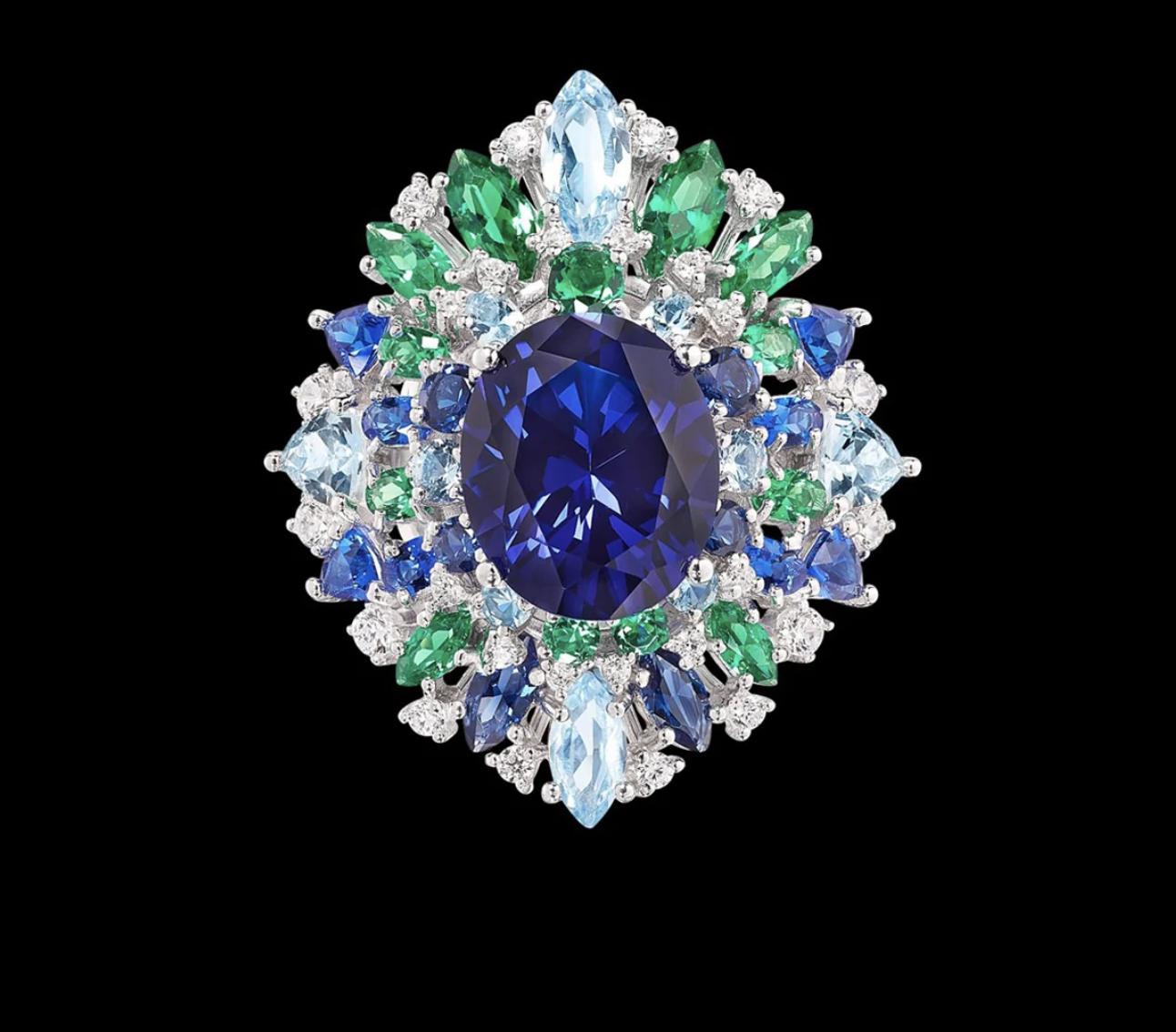
Anabela Chan’s Sapphire Mirage ring pairs royal-blue lab-grown sapphires with sky-blue spinels, emeralds and simulated diamonds. Courtesy of Anabela Chan
Chaumet: Iconic blue
The Joséphine Duo Éternel necklace brings together a pear-shaped blue sapphire, a pear-shaped diamond and Chaumet’s unmistakable tiara-inspired geometry.

Colour should come first. The finest sapphire is not necessarily the darkest; a stone that is too deep can appear almost black, particularly away from bright showroom lighting. Look for a colour that remains attractive in daylight and indoor light, with enough life in the cut to return light evenly across the gem.
Treatments matter, but their presence does not automatically make a sapphire undesirable. Heating to improve colour or clarity is common, permanent and widely accepted. Untreated stones of exceptional quality are rarer and may command significant premiums.
Lattice diffusion, fracture filling and dyeing are different processes and can affect value and care requirements, so buyers should ask for clear disclosure. An independent laboratory report is sensible for an important stone, particularly when rarity, treatment status or geographical origin contributes to the price.
Origin can add romance and value—Kashmir, Myanmar and Sri Lanka have all produced celebrated sapphires—but it should not outweigh the beauty of the individual gem. Every deposit produces a range of qualities. Colour, cut, condition and treatment remain more useful guides than a famous location alone.
Ultimately, choosing a sapphire is less about following a hierarchy than responding to colour. One person’s perfect stone might be a velvety royal blue; another’s a misty green, a flash of yellow or an imperfect meeting of teal and gold. Unlike diamonds, sapphires invite a more instinctive decision. Their individuality is part of their value.
That quality also explains their renewed relevance. Sapphire carries the history and permanence expected of a precious stone, yet its many colours allow it to escape convention. It can honour tradition without looking traditional, mark an engagement without resembling anyone else’s ring and bring high-jewellery colour into pieces intended to be worn every day.
For centuries, sapphire’s identity was written almost entirely in blue. Today, jewellers are revealing the rest of its character—one pink, green, golden and parti-coloured stone at a time.
September may claim sapphire as its birthstone, but blue no longer gets to claim sapphire for itself.
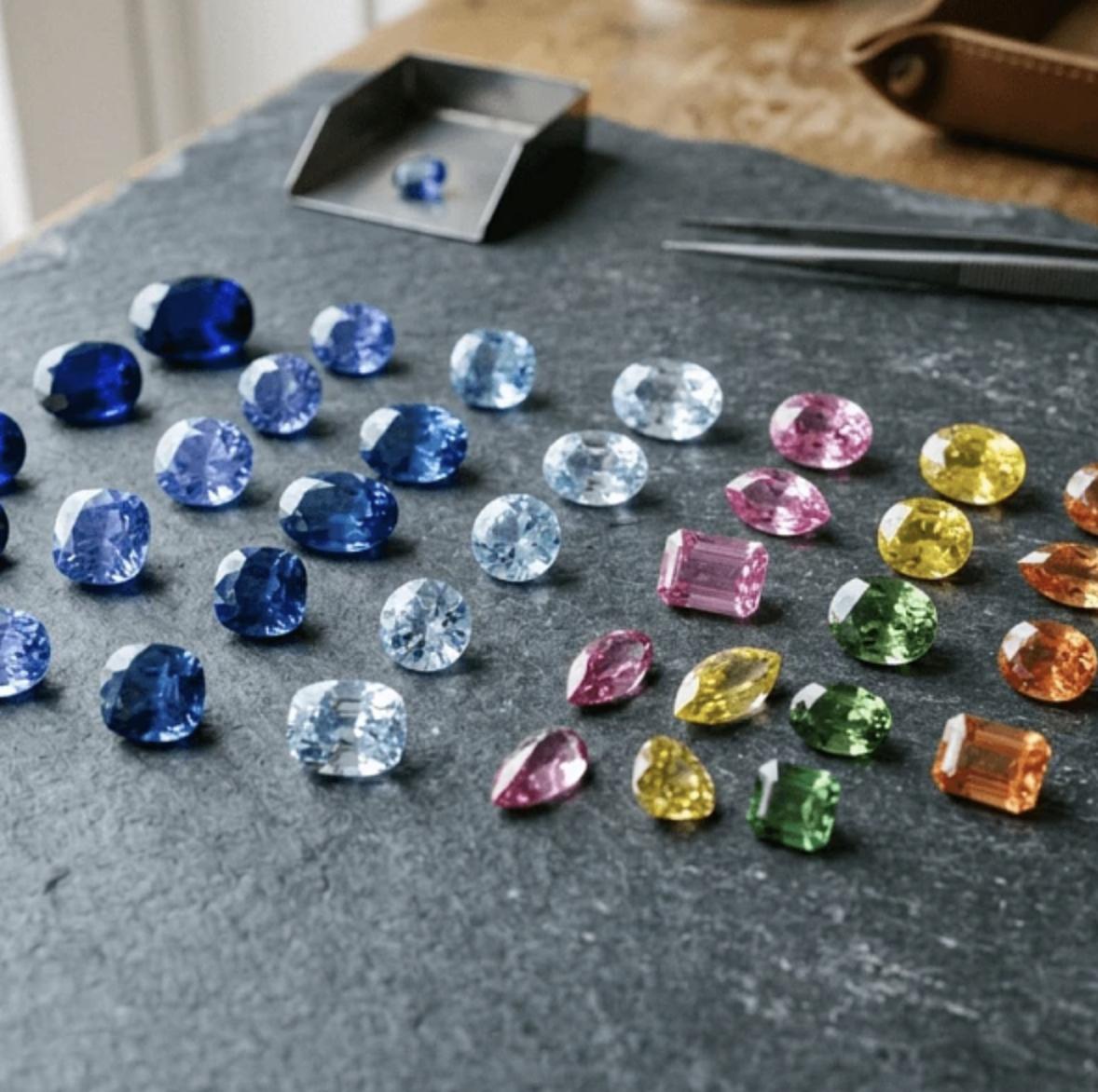
For too long, sapphire has been defined by a single shade. Blue will always possess its royal allure, but the most exciting sapphires today are often those that resist convention: dusky pinks, vivid greens, golden yellows and stones where several colours meet.
Our advice is simple, choose the sapphire that draws you in. Colour, character and emotional response matter more than following an established hierarchy. Ask about treatments, request certification for an important stone and view it under different lighting, but allow instinct to play its part.
September may claim sapphire as its birthstone, but blue no longer gets to claim sapphire for itself.
Scroll the gallery below to see more
JEWELSJAN 8, 2026
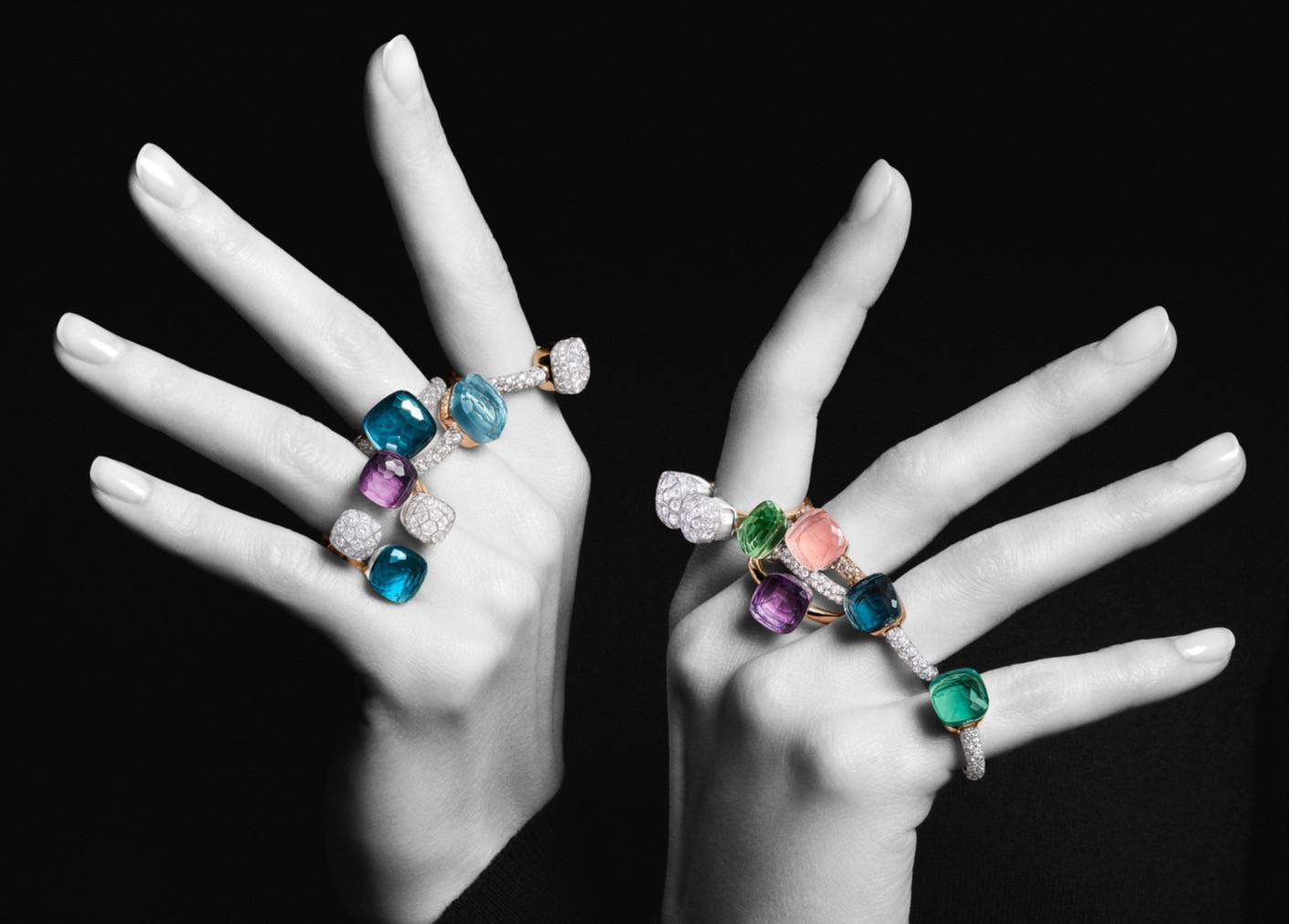
Pomellato’s “A New Chapter in Bold”: Chiaroscuro, Colour and the Essence of Elegance
Pomellato unveils its 2026 campaign — a striking, shadow-drenched celebration of form, colour and quiet power
READ MORE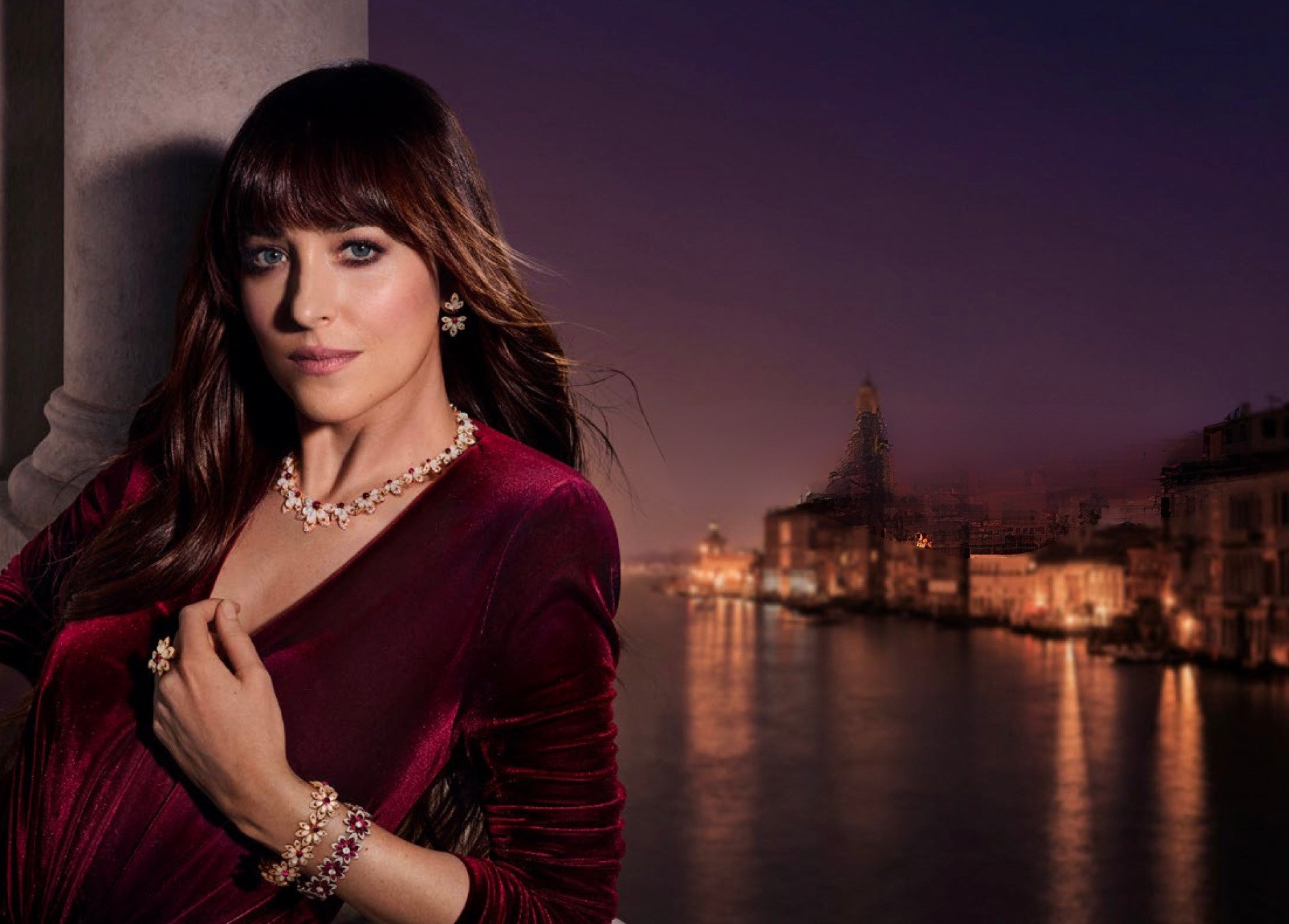
ROBERTO COINJAN 18, 2026
Roberto Coin at VicenzaOro Winter: A Season of Colour, Craft and Modern Mythmaking
Roberto Coin unveils vibrant new collections at VicenzaOro, blending colour, craft and symbolism
READ MORE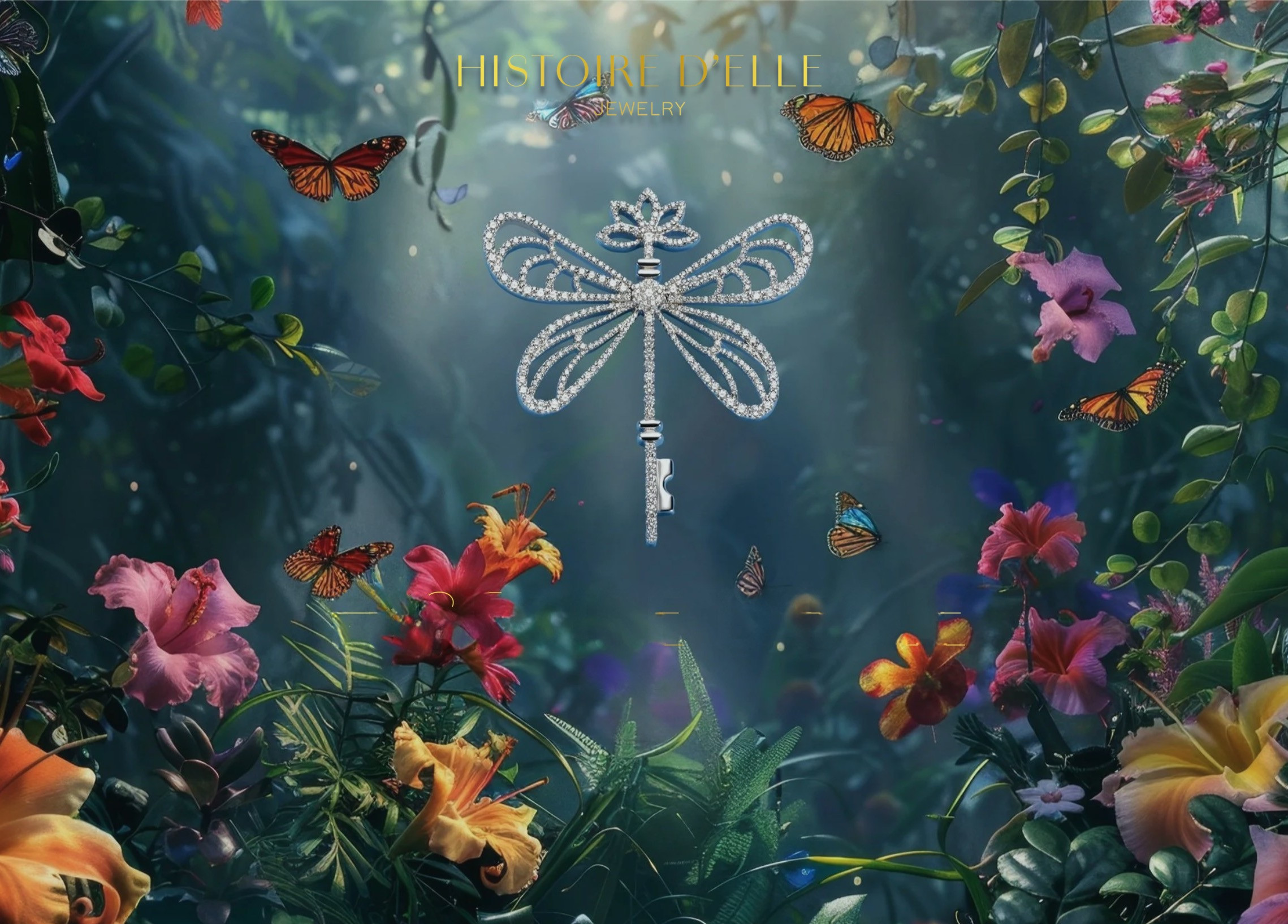
FINE JEWELLERYJAN 18, 2026
Histoire d’Elle at VicenzaOro: Where Nature and Femininity Converge in Diamond Storytelling
Histoire d’Elle stood out at VicenzaOro with distinctive, story-led collections rooted in femininity and nature
READ MORE



0 Comments
You must be logged in to comment. Click here to login.