






Don't miss a gem
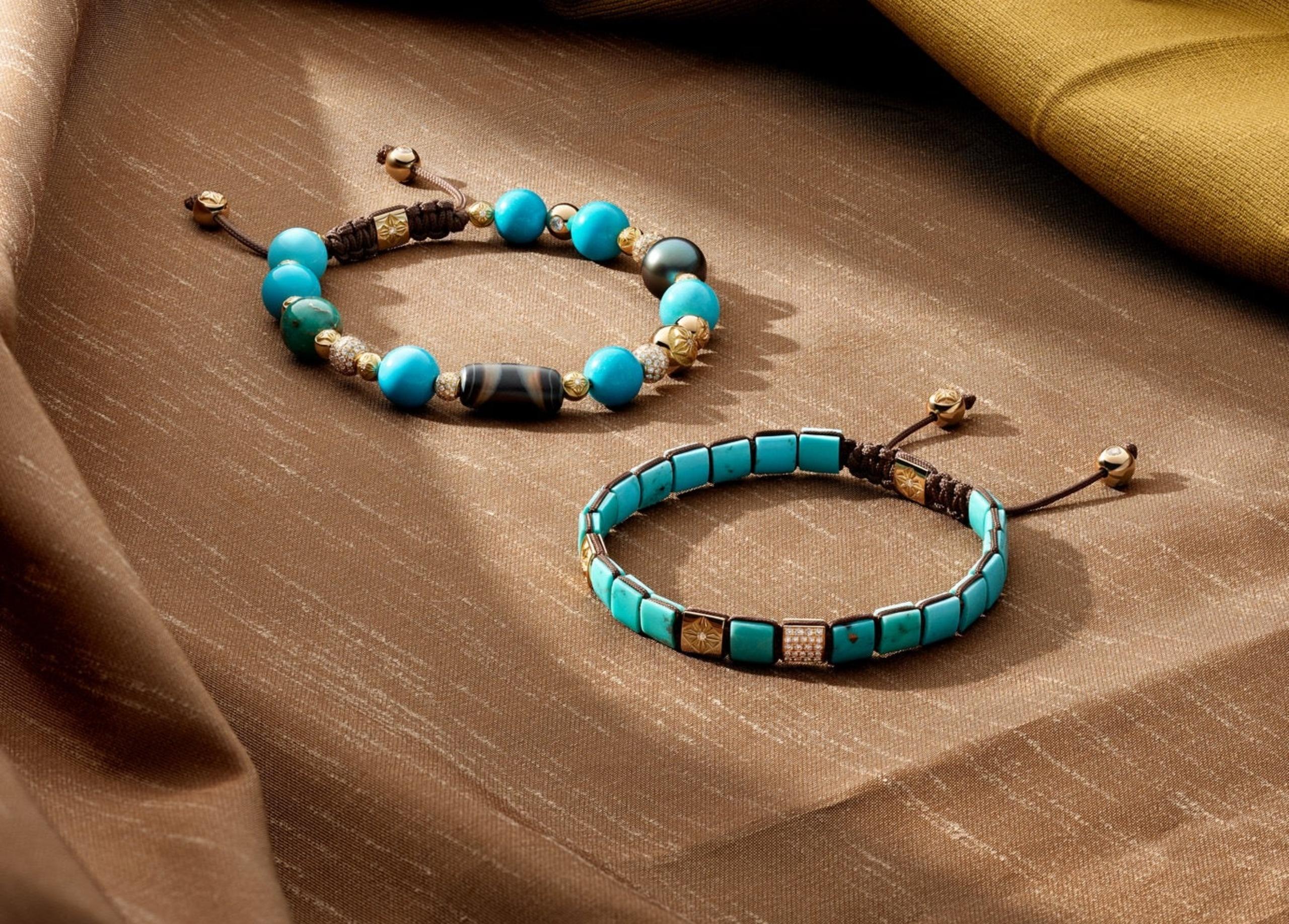
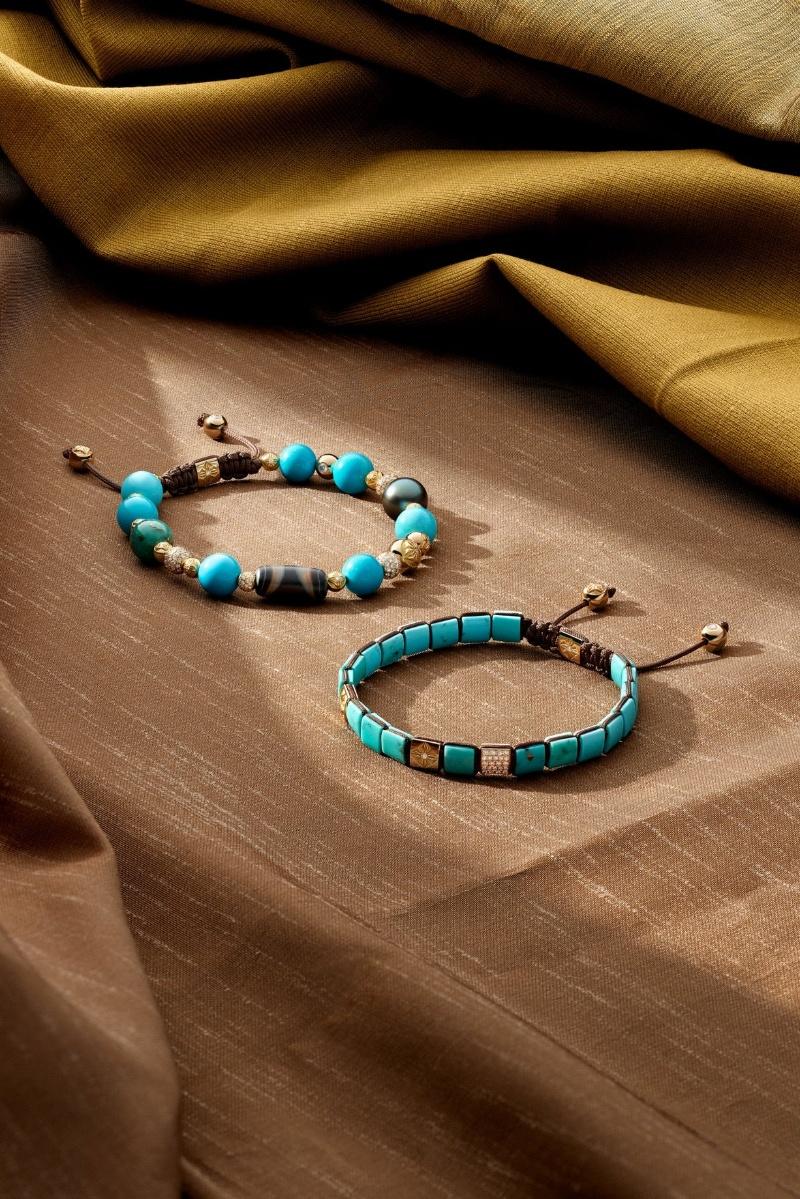
Long before bracelet stacking became a trend, Mads and Mikkel Kornerup were turning macramé, gold and gemstones into a new language for men’s jewellery
How Shamballa Jewels transformed the bracelet into a personal, evolving form of fine jewellery
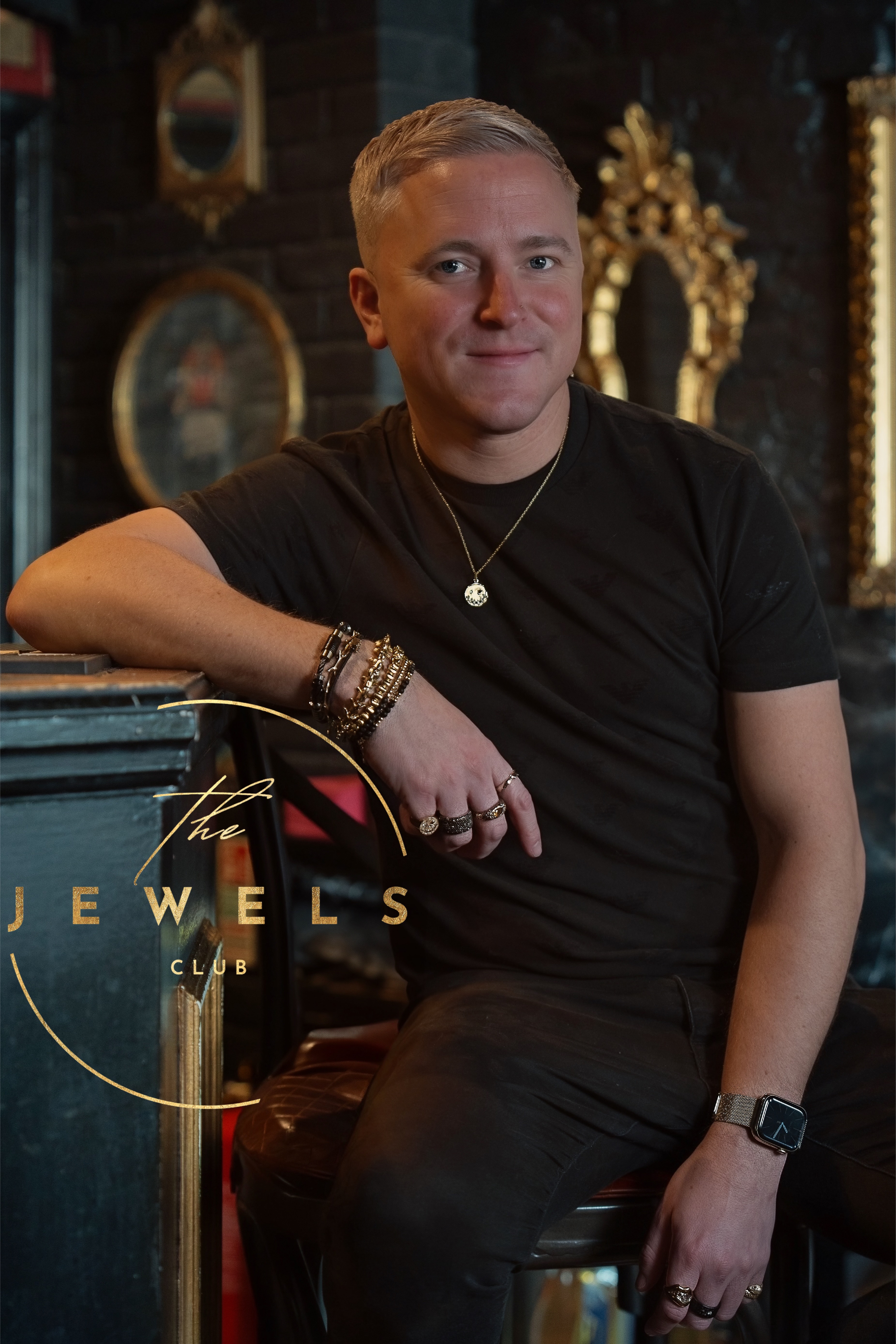
Shamballa Jewels has been one of my favourite brands for years. I met founders Mads and Mikkel Kornerup several times at Baselworld, and those encounters are part of why the house has stayed with me. Its jewellery was distinctive from a distance, but the thinking behind it was always more interesting than the recognisable silhouette alone.
Today, stacked bracelets are an established part of men’s style. Watches no longer have the wrist to themselves, precious stones are worn with far greater freedom and jewellery has become a much more personal language. Shamballa Jewels did not simply respond to that change. It helped to make it possible.
It is easy to look at a stack of beaded bracelets now and forget how restricted men’s jewellery once felt. Beyond a watch, wedding band, cufflinks or perhaps a signet ring, the choices were narrow and the rules were familiar.
Shamballa Jewels arrived with a different proposition. Its bracelets combined the ease of something informal with the materials and workmanship of fine jewellery. Hand-braided macramé sat beside 18-karat gold, diamonds, sapphires, rubies and carefully chosen hardstones. The result felt luxurious without becoming stiff, spiritual without looking ceremonial and masculine without depending on convention.
That balance gave men an accessible way into jewellery. A bracelet could sit naturally beside a watch, then another could be added when the wearer was ready. What began as one object could gradually become a collection.
Shamballa's Story EASTERN PHILOSOPHIES WITH NORDIC DESIGN PRINCIPLES
The story began before Shamballa Jewels formally became a company. In 2001, Mads Kornerup designed a bracelet for Jay-Z using evenly sized gold beads held by macramé braiding. The house identifies this as the birth of its signature braided bracelet.
Mads and Mikkel founded Shamballa Jewels in Copenhagen in 2005 with the ambition to change how men saw and wore jewellery. Their design language brought together Eastern philosophy and Nordic principles of clarity, function and craft. In 2007, the introduction of the diamond pavé bead added another element that would become closely associated with the brand.
The bracelets quickly travelled beyond the jewellery world. Karl Lagerfeld made them part of his unmistakable uniform, while collectors have included figures from fashion, music and sport such as Valentino Garavani, Michael Jordan, Lewis Hamilton and the late Ozzy Osbourne. Denmark’s King Frederik X wore a bracelet from his own collection at his accession in 2024.
The names are impressive, but celebrity is not the most important part of the story. Shamballa succeeded because the design was strong enough to be recognised even when the wearer was not.
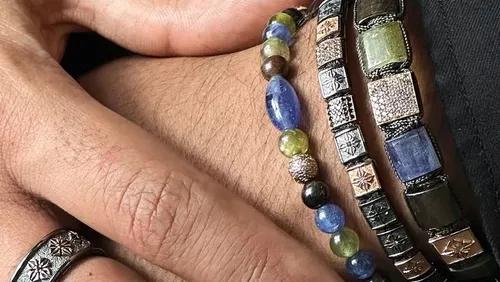
Shamballa’s influence also made it one of the most imitated jewellery brands of its generation. Beaded macramé bracelets appeared at every possible price, often borrowing the surface language while leaving behind the quality, proportion and intent that made the original compelling.
What separates Shamballa Jewels is the tension between simplicity and preciousness. A strand and a series of beads sound elementary, yet every decision changes the character of the bracelet. Bead size, metal colour, stone, setting, string and spacing all matter. The braid must feel tactile and relaxed, while the gold and gemstones carry the precision expected of fine jewellery.
The house says its bracelets are set, polished and braided by hand in Copenhagen. Individual gemstone beads can take more than ten hours to produce and pass through the hands of seven specialist craftspeople. That depth of making is not always visible in a photograph, but it is felt in the finished piece.
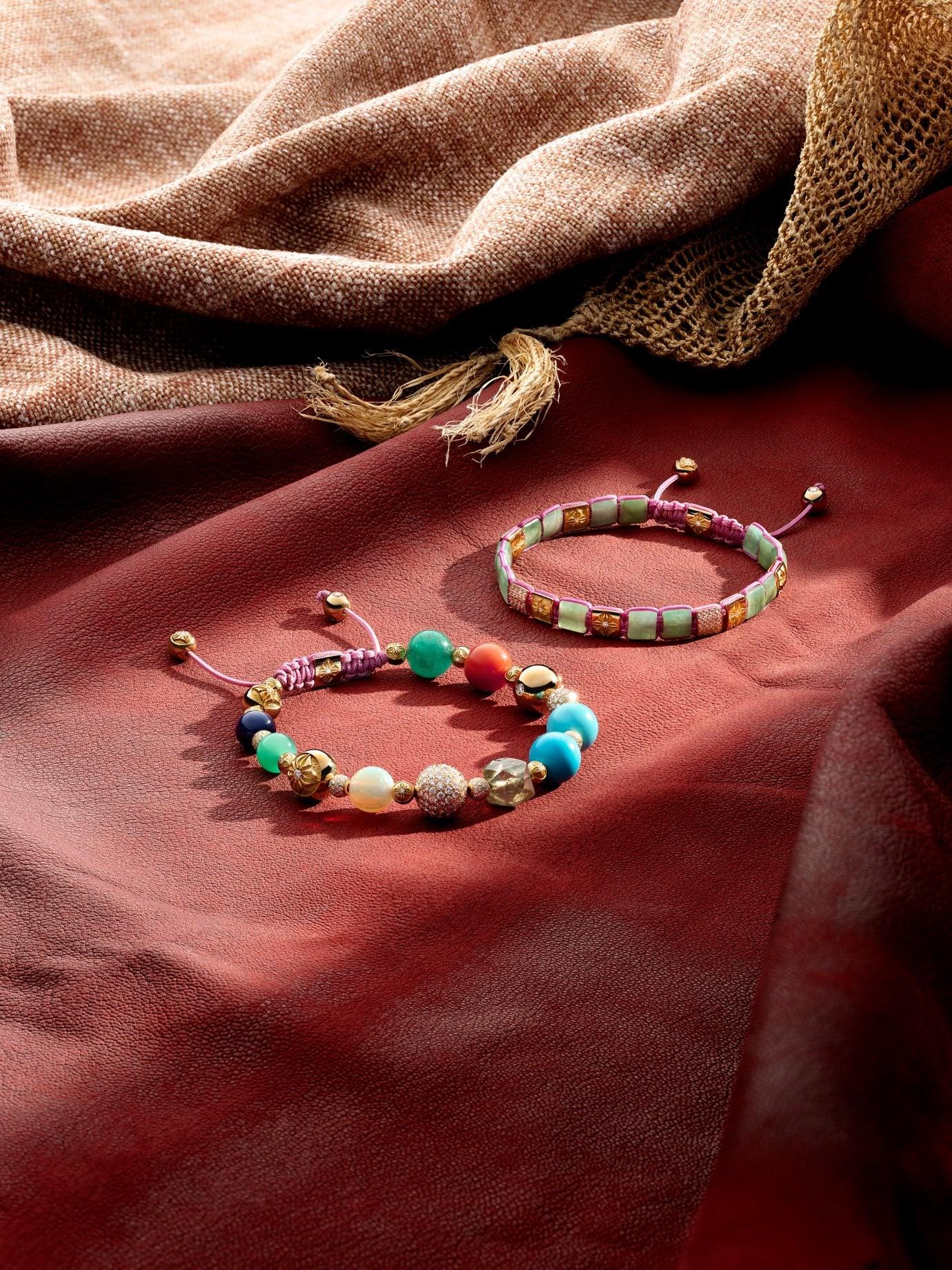
The originals: Shamballa Jewels’ signature braided bracelets combine vivid gemstones, precious metals and hand-finished details. Courtesy of Shamballa Jewels
The current enthusiasm for stacking suits Shamballa, but the brand’s idea is more lasting than a styling moment. Mikkel Kornerup has described a stack as a collection of memories, with each bracelet becoming part of the wearer’s personal story.
That is the real appeal. One piece might mark a birthday, another a journey, an achievement or a relationship. Colours and stones can carry private associations that require no explanation. Worn together, the bracelets become a record that is understood most fully by the person wearing them.
This also changes the way a stack should be built. There is no correct formula and no need to buy everything at once. Different bead sizes, metals, gemstones and string colours can be added over time, allowing the composition to become richer as life does.
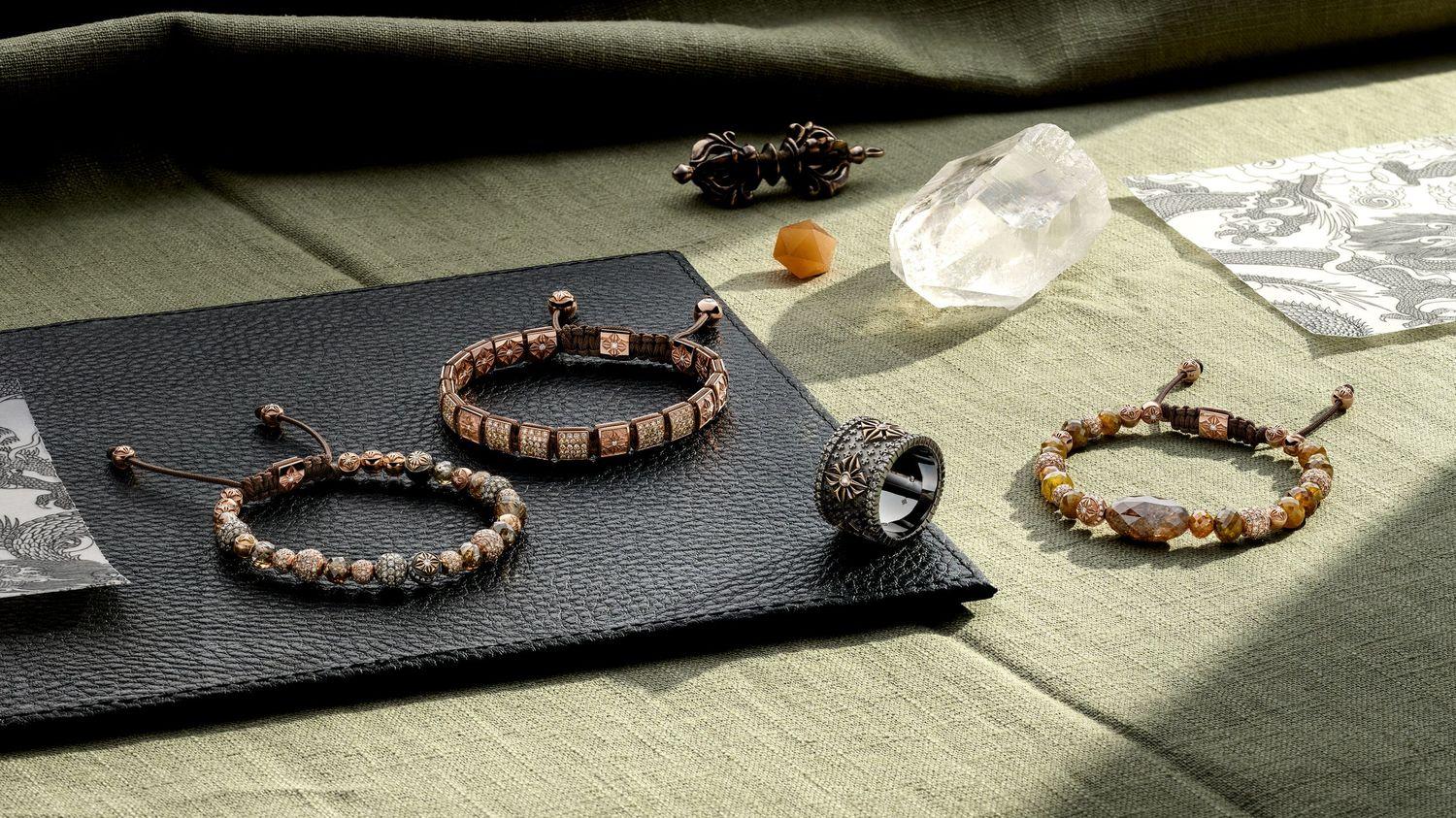
Shamballa Jewels bracelets and a statement ring from the Spring/Summer 2026 collection. Courtesy of Shamballa Jewels
Shamballa Jewels has turned personalisation into something deeper than selecting a colour at the point of purchase. Through its Creator tool, clients can compose a bracelet bead by bead, choosing from gold, diamonds, rubies, sapphires, emeralds and a wide spectrum of strings.
More importantly, the bracelet does not have to remain fixed. A worn braid can be replaced, gold can be polished and beads can be altered or added. The piece can evolve rather than being set aside when tastes change.
That approach feels particularly relevant now. Fine jewellery earns its place when it stays close to the body, gathers experience and can be cared for rather than treated as disposable. Shamballa’s construction makes visible change part of the design, not evidence that the object has reached the end of its life.
Customize your bracelet
The earliest Shamballa look was often dark and restrained, with black cords, onyx, black diamonds and rhodium-treated gold giving the bracelets their unmistakable edge. That foundation remains important, but the vocabulary has expanded considerably.
For Autumn/Winter 2026, carnelian orange, ruby red and ocean blue move through rose and yellow gold, brown diamonds, sapphires and dark green turquoise. The palette is warmer and more expressive, yet the familiar locks, beads and braiding keep it grounded in the house identity.
This is another reason the brand has lasted. It can introduce colour, rare stones and new constructions without losing the recognisable idea at its centre. A Shamballa bracelet can become quieter or more exuberant, but it rarely becomes anonymous.
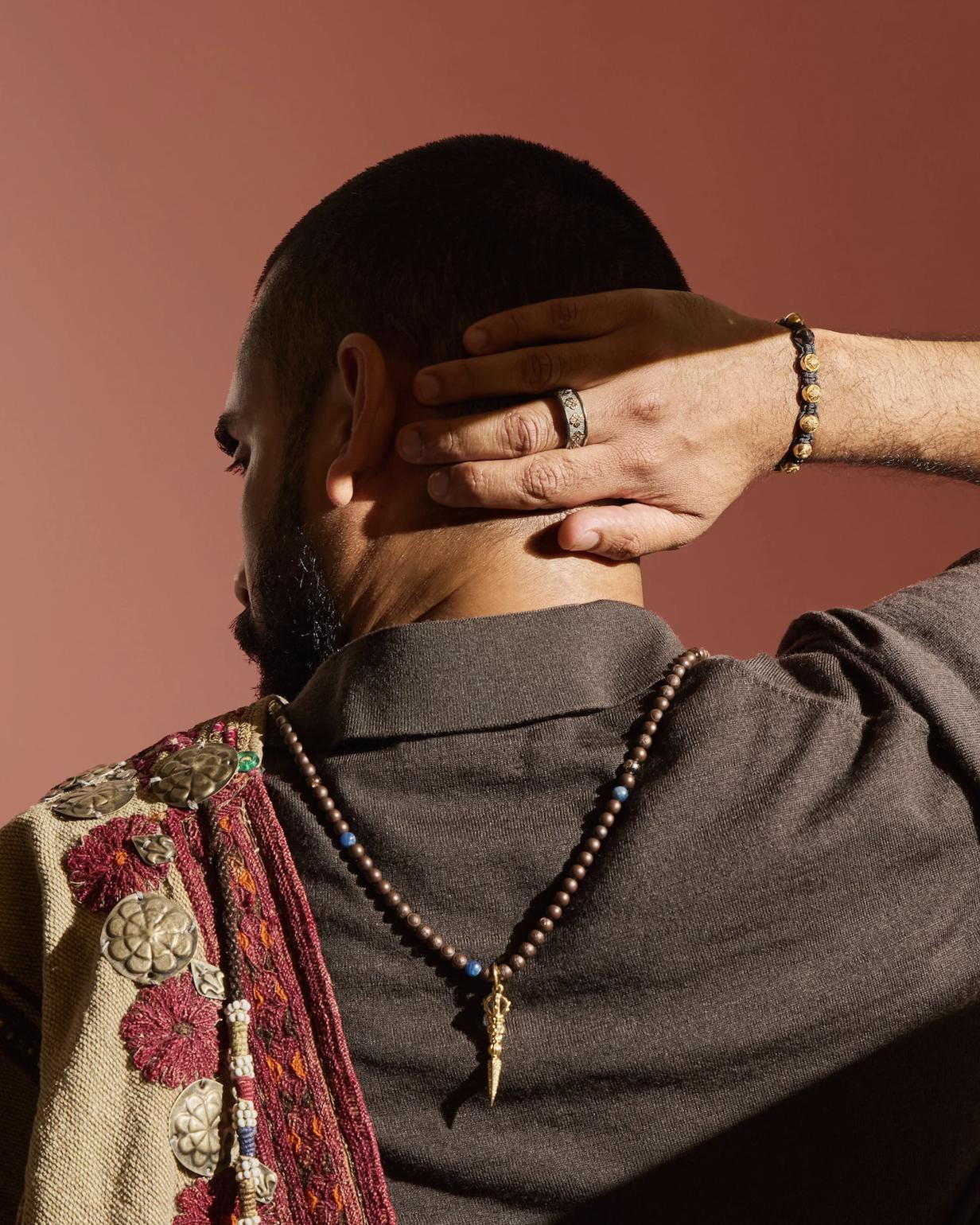
Shamballa Jewels’ Autumn/Winter 2026 collection brings together a beaded pendant necklace, bracelet and patterned ring. Courtesy of Shamballa Jewels
Having met Mads and Mikkel at Baselworld several times over the years, I have watched the wider jewellery world catch up with many of the ideas Shamballa championed early on. Men now buy fine jewellery for themselves, combine precious pieces with everyday clothing and build collections according to instinct rather than outdated rules.
That makes this a timely moment to look again at the brand, but not because stacking has suddenly become fashionable. Shamballa matters because it gave the practice design authority, precious materials and emotional substance long before the rest of the market recognised its potential.
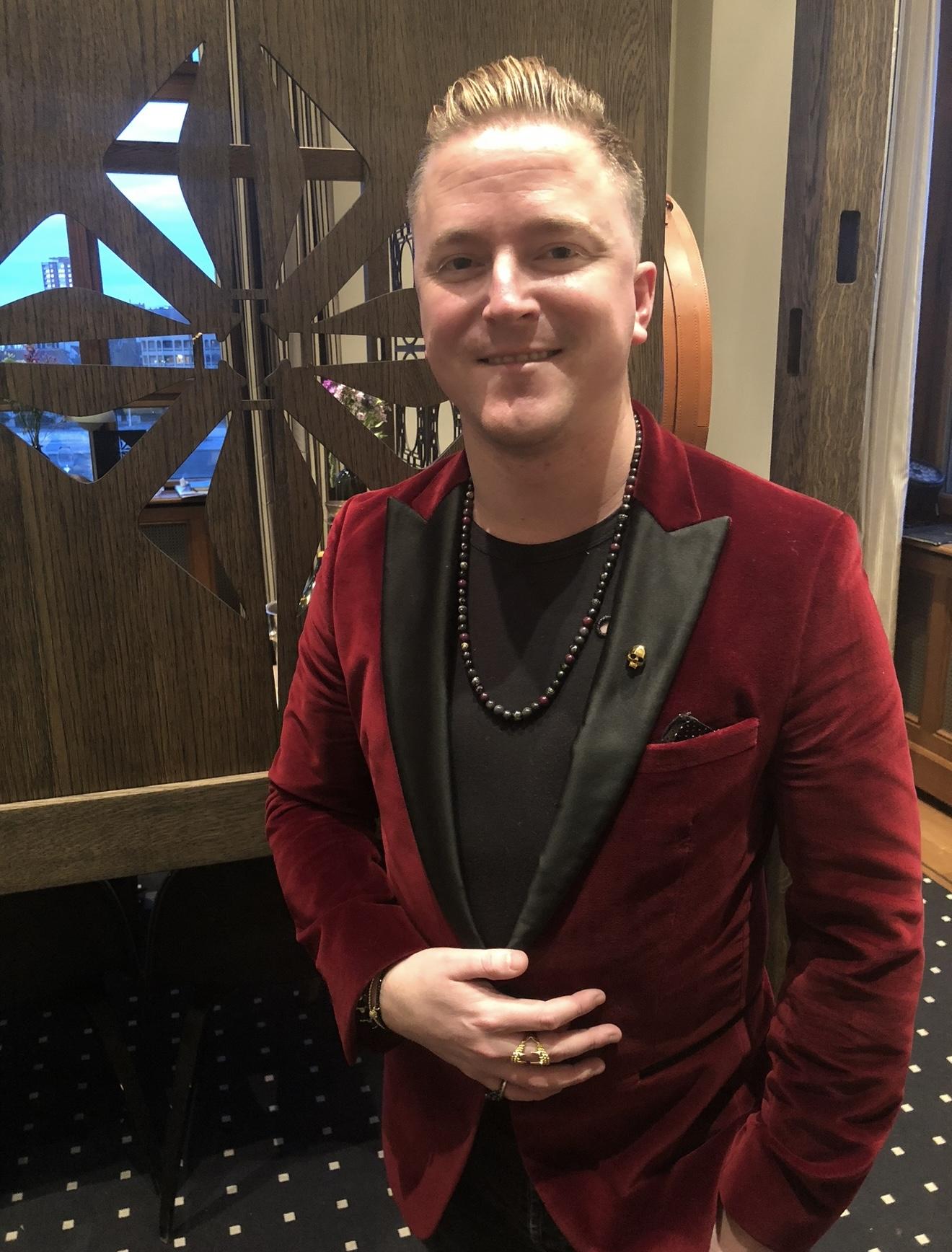
Andrew Martyniuk wearing Shamballa Jewels during Baselworld in 2018
The best jewellery becomes more individual the longer it is worn. Shamballa Jewels understands this unusually well. Its bracelets invite collecting, but they also invite attachment, alteration and memory.
We love the confidence of the materials, the discipline of the Copenhagen craftsmanship and the freedom to make each piece personal. Most of all, we admire that a design which helped change men’s jewellery still feels relevant more than two decades after its first appearance. Trends may explain why everyone is talking about the wrist now. Shamballa’s originality explains why we are still looking at it.
Shamballa Jewels is best explored bead by bead. Discover the house story, experiment with the Creator and see how its latest collection brings new colour to an enduring design.

JEWELSMAY 9, 2025
The Power List 2025: Celebrating Jewellery’s Most Influential Voices
The 2025 Professional Jeweller Power List has been unveiled, spotlighting the individual’s driving innovation, creativity, and progress across the jewellery sector. This annual list recognise
READ MORE
JEWELSJUN 3, 2025
Nigel O’Reilly: The Goldsmith of the West
Nigel O’Reilly is the Irish goldsmith capturing international attention with his intensely personal, gemstone-rich creations. Handcrafted in his Castlebar studio and worn by Hollywood’s fines
READ MORE
JEWELSJUN 5, 2025
Bobby White: The East London Designer Making Jewellery Move
Bobby White is a self-made London jeweller known for pieces that move — in every sense. His kinetic designs, YouTube presence and hands-on approach have earned him a cult following.
READ MORE



0 Comments
You must be logged in to comment. Click here to login.