






Don't miss a gem
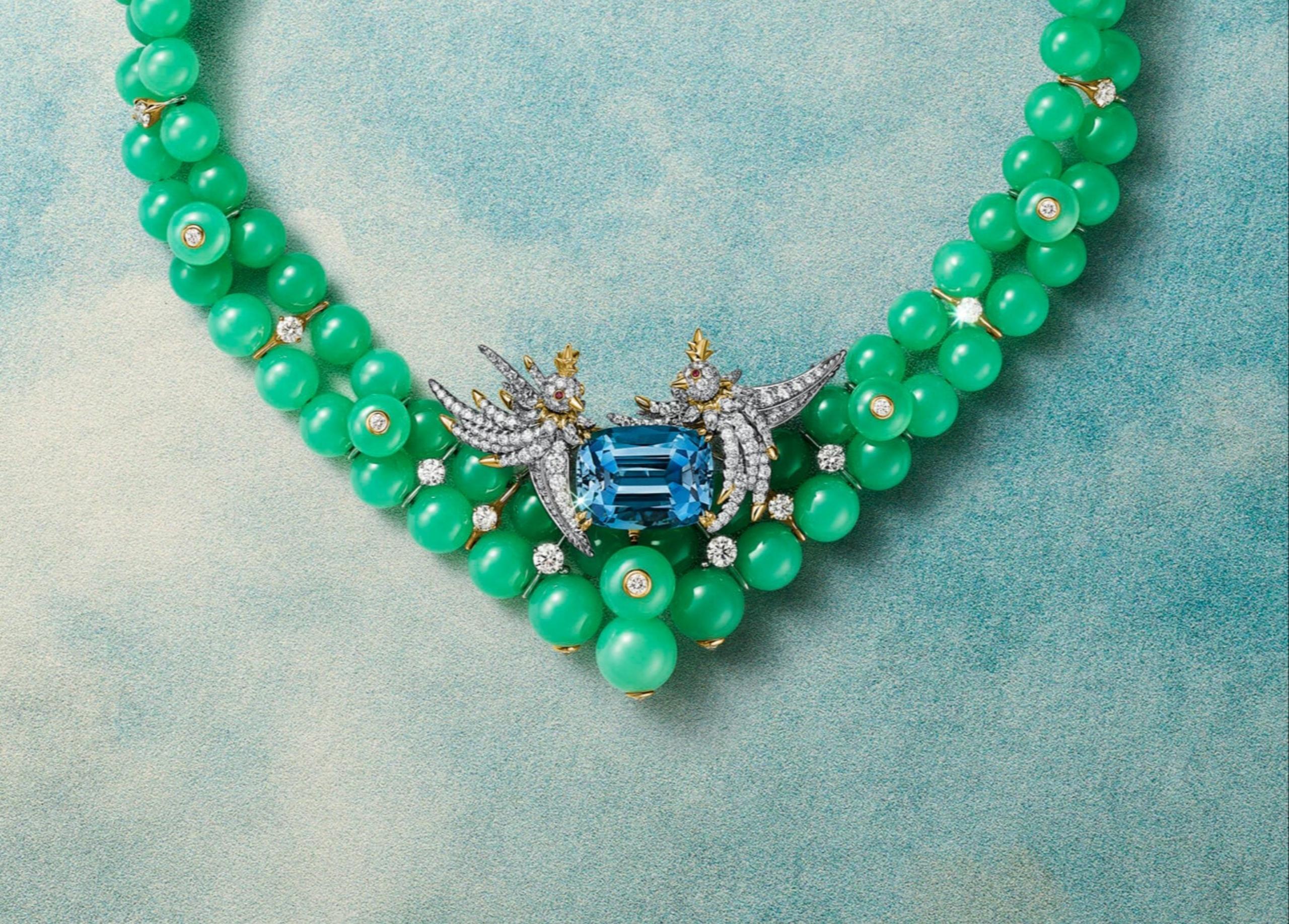
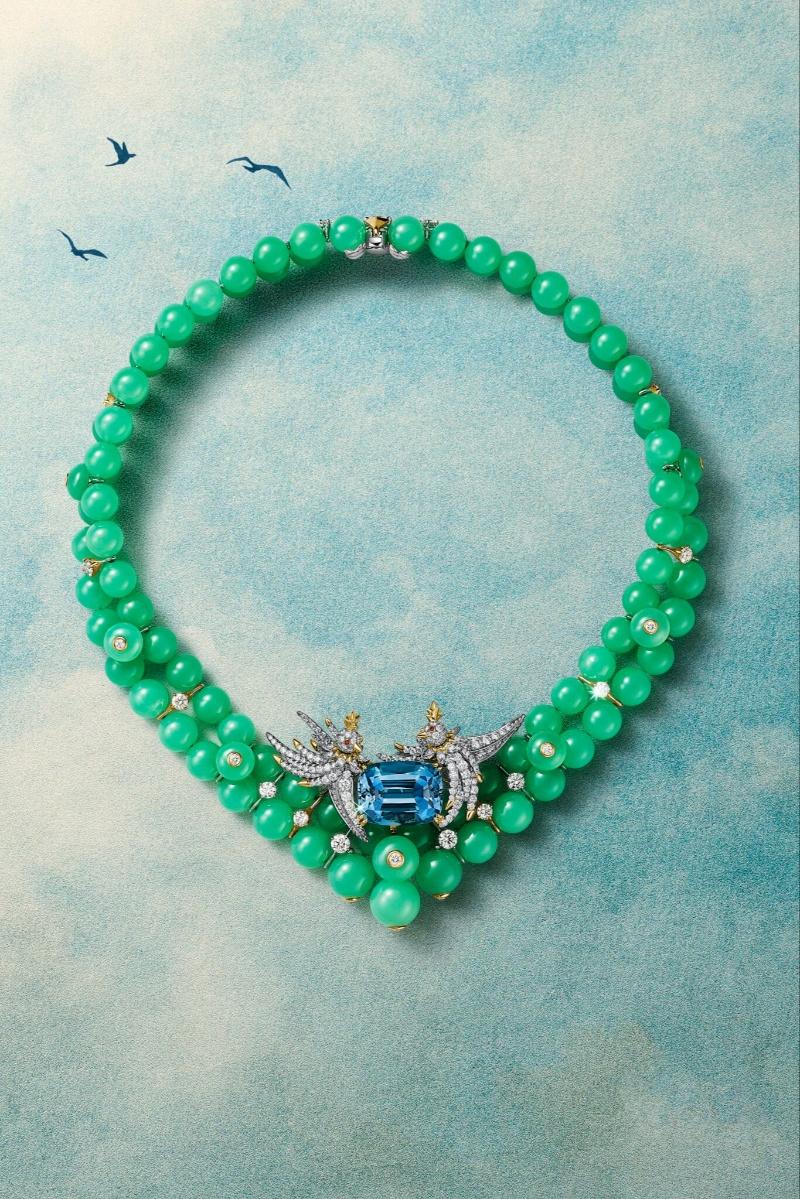
A more measured collection, where movement, material and structure take precedence over spectacle
Tiffany’s Blue Book 2026 collection, Hidden Garden, explores nature through movement and construction, with a more controlled approach to high jewellery

Tiffany’s Blue Book collections have always carried a certain level of expectation. They are less about seasonal launches and more about defining where the house sits within high jewellery at that moment.
Hidden Garden, the 2026 edition, continues to draw from familiar ground. Nature remains the central reference point, with butterflies, birds and floral elements running throughout the collection.
That in itself isn’t new. What stands out is how those ideas are handled.
What comes through more clearly here is that the collection isn’t built around static motifs, but around movement. Rather than treating butterflies or foliage as decorative elements, the designs use stone placement and structure to suggest motion — how something lifts, shifts or grows.
In the butterfly pieces, for example, the effect isn’t created through obvious symmetry. Instead, diamonds and coloured stones are arranged to create a sense of lift and lightness, allowing the form to feel less fixed.
It’s a more controlled way of working, and it changes how the pieces are read.
Jean Schlumberger’s influence remains central, but it is handled with more distance. His work sits within the collection as a foundation rather than a reference to be repeated.
Motifs such as Bird on a Rock and the Monarch designs return, but they are reworked through scale, material and construction.
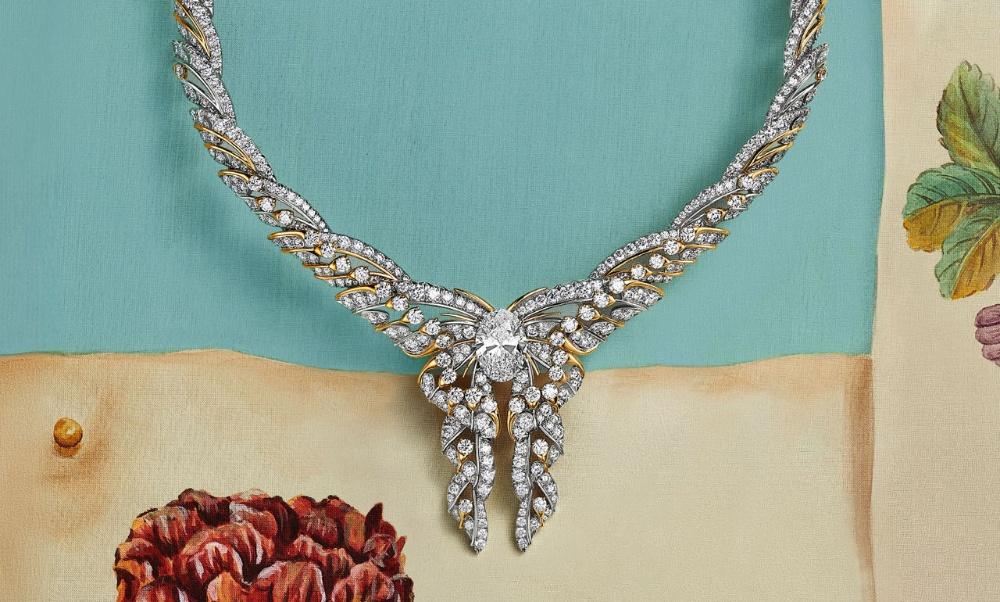
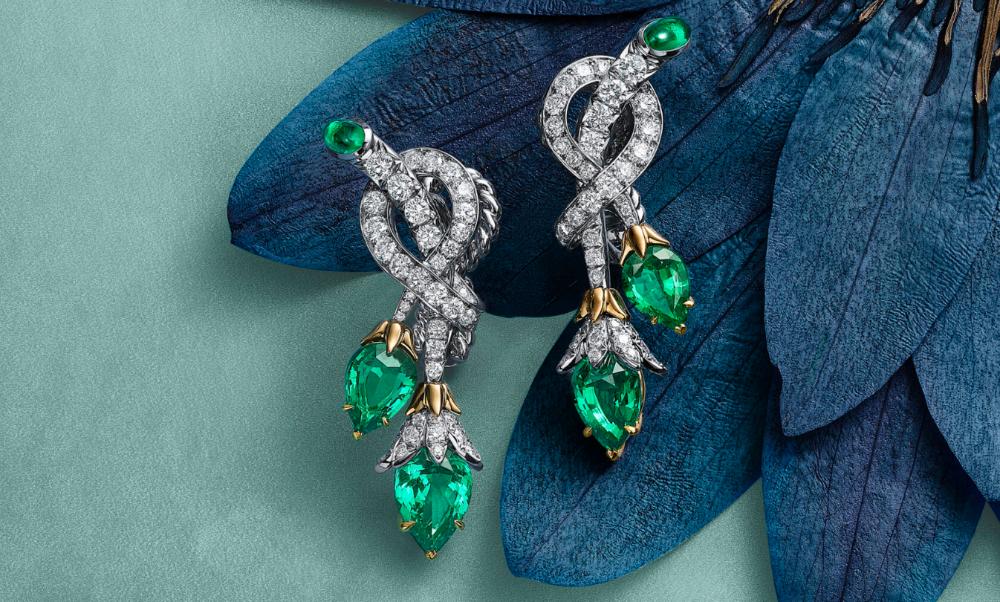
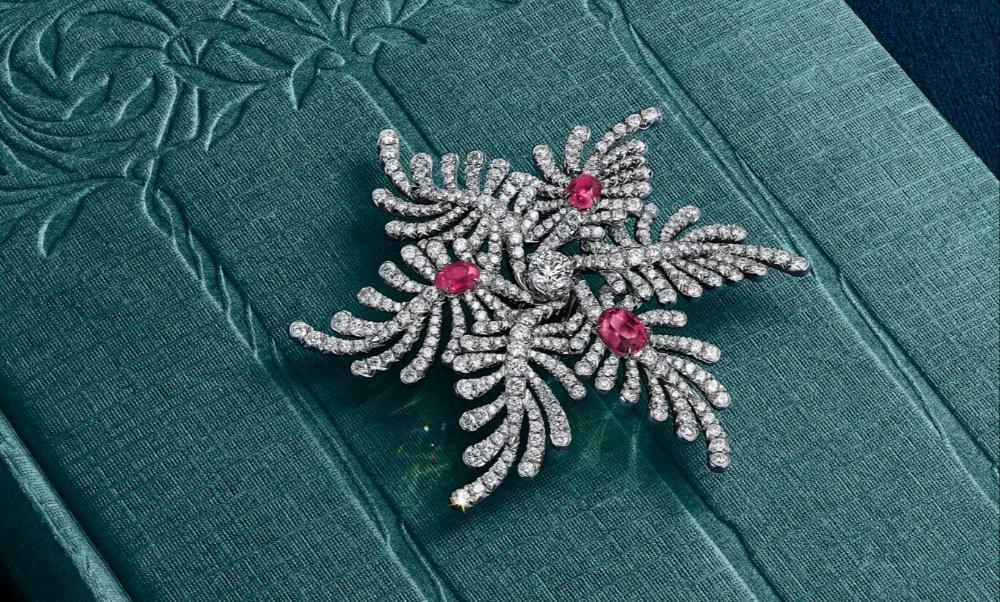
The Monarch pieces, for instance, reinterpret twisting vines and foliage through articulated gold and pavé-set diamonds, shifting the emphasis from ornament to structure.
The connection to the archive is still clear, but it no longer defines the outcome.
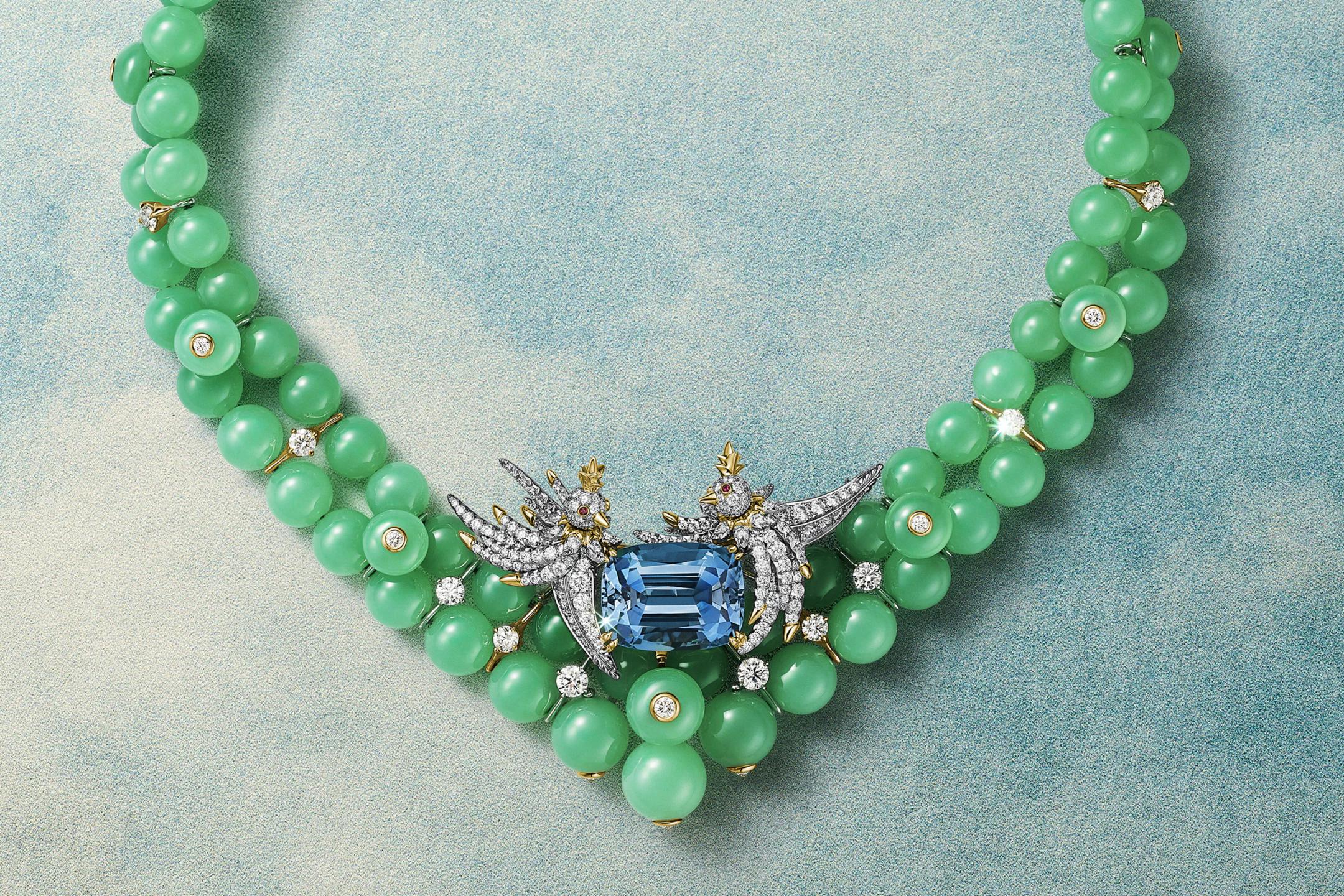
There is also a stronger reliance on gemstones to carry the design.
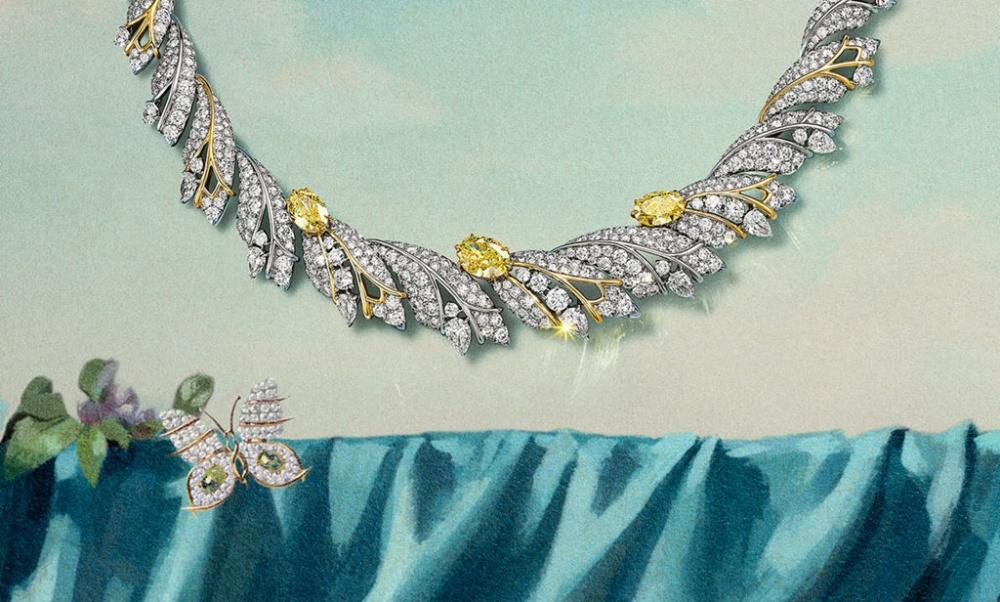
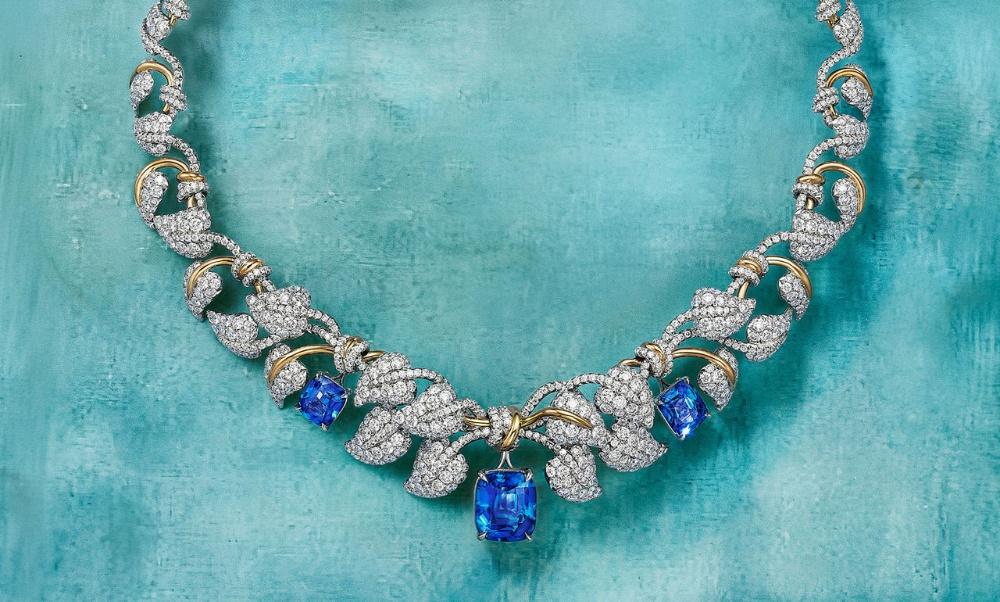
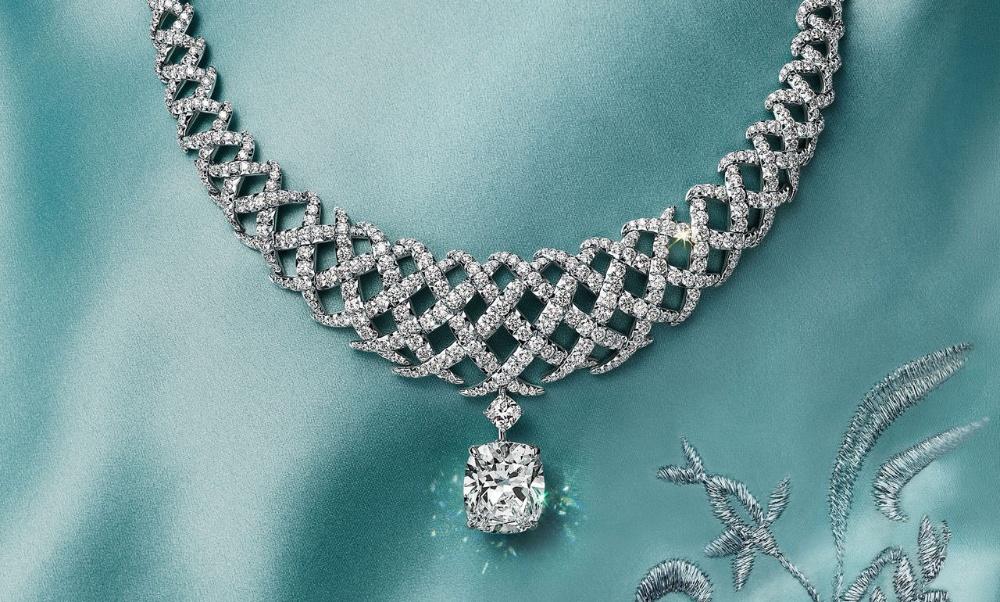
Across the collection, stones are not simply focal points. They shape the composition itself. Fancy vivid yellow diamonds, unenhanced sapphires and large D-colour diamonds are used in ways that build movement and structure, rather than sitting within it.
In some pieces, the arrangement is tight and architectural. In others, the stones are spaced more openly, allowing the design to feel lighter and less contained.
That balance keeps the collection from becoming overly rigid.
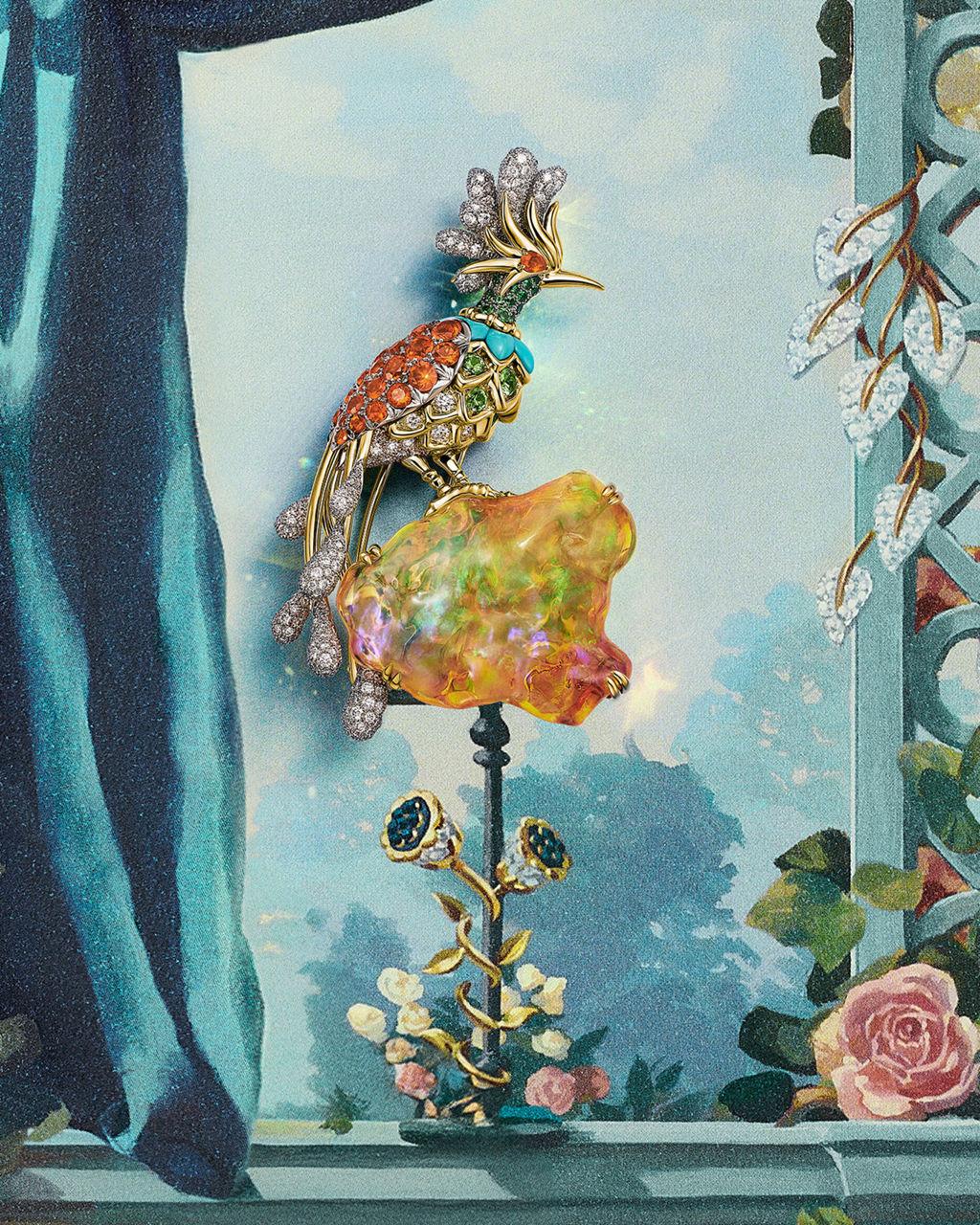
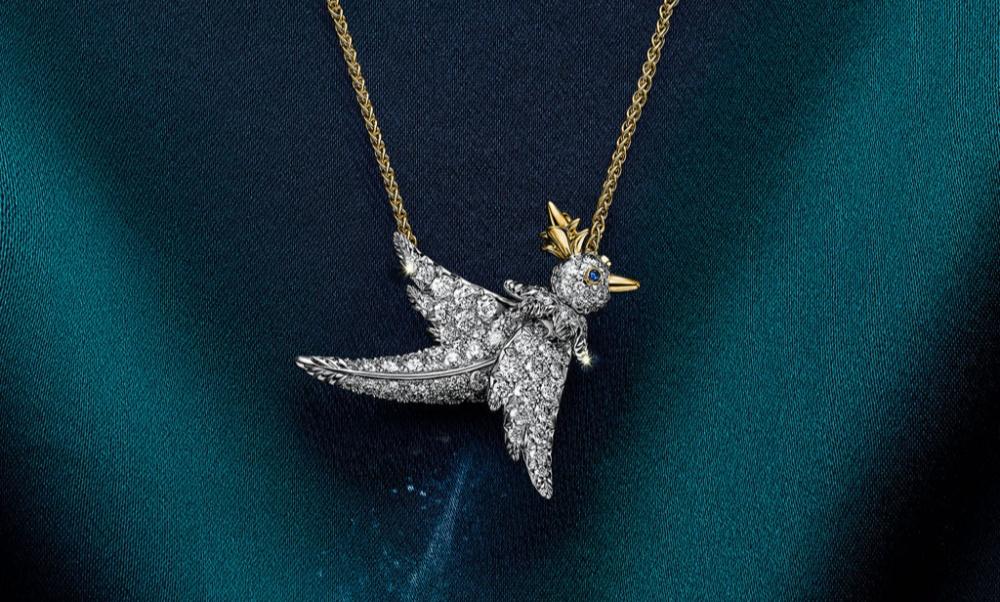
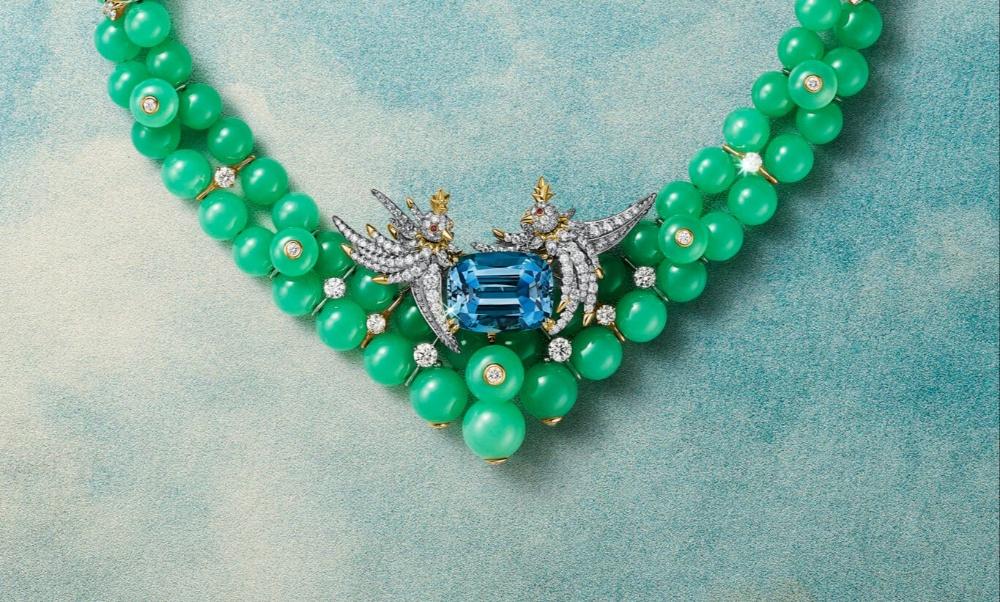
Paradise Bird — a vibrant Blue Book 2026 brooch inspired by Schlumberger, centred around an extraordinary gemstone. Image credit: Tiffany & Co
Transformability continues to run through the collection, although it is treated as part of the design rather than a feature in itself.
Necklaces shift into brooches, pendants detach, and elements can be reconfigured depending on how the piece is worn.
This has been part of Tiffany’s approach for some time, but here it feels fully integrated rather than highlighted.
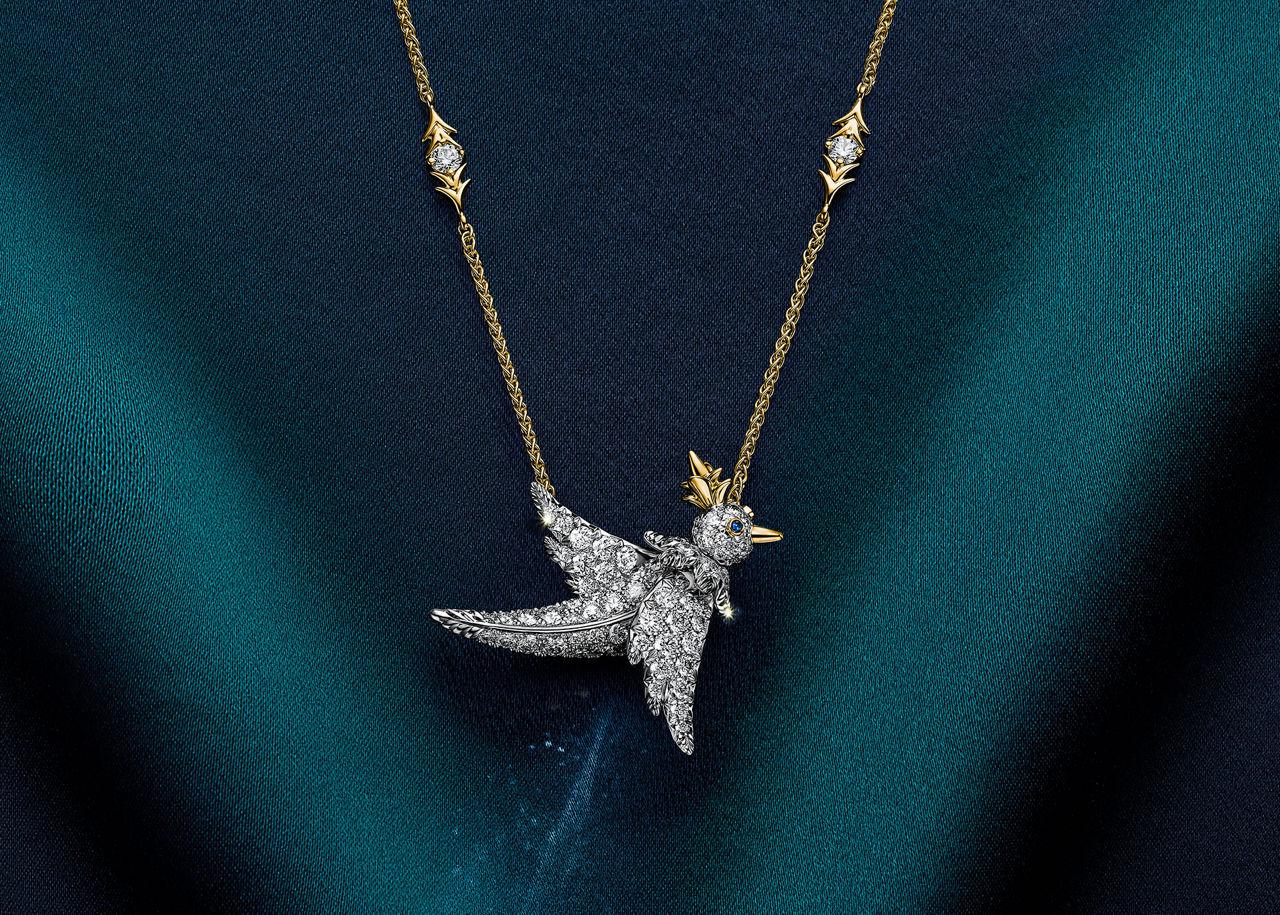
Paradise Bird — colour, movement and character brought to life through Schlumberger’s design language. Image credit: Tiffany & Co.
What Hidden Garden ultimately shows is a house that is no longer trying to expand outward, but refine inward.
The collection still draws on nature, still references Schlumberger, and still relies on exceptional stones. But the emphasis has shifted towards control — how pieces are constructed, how they move, and how much is left unsaid.
It feels more edited than previous Blue Book collections, and more deliberate as a result.
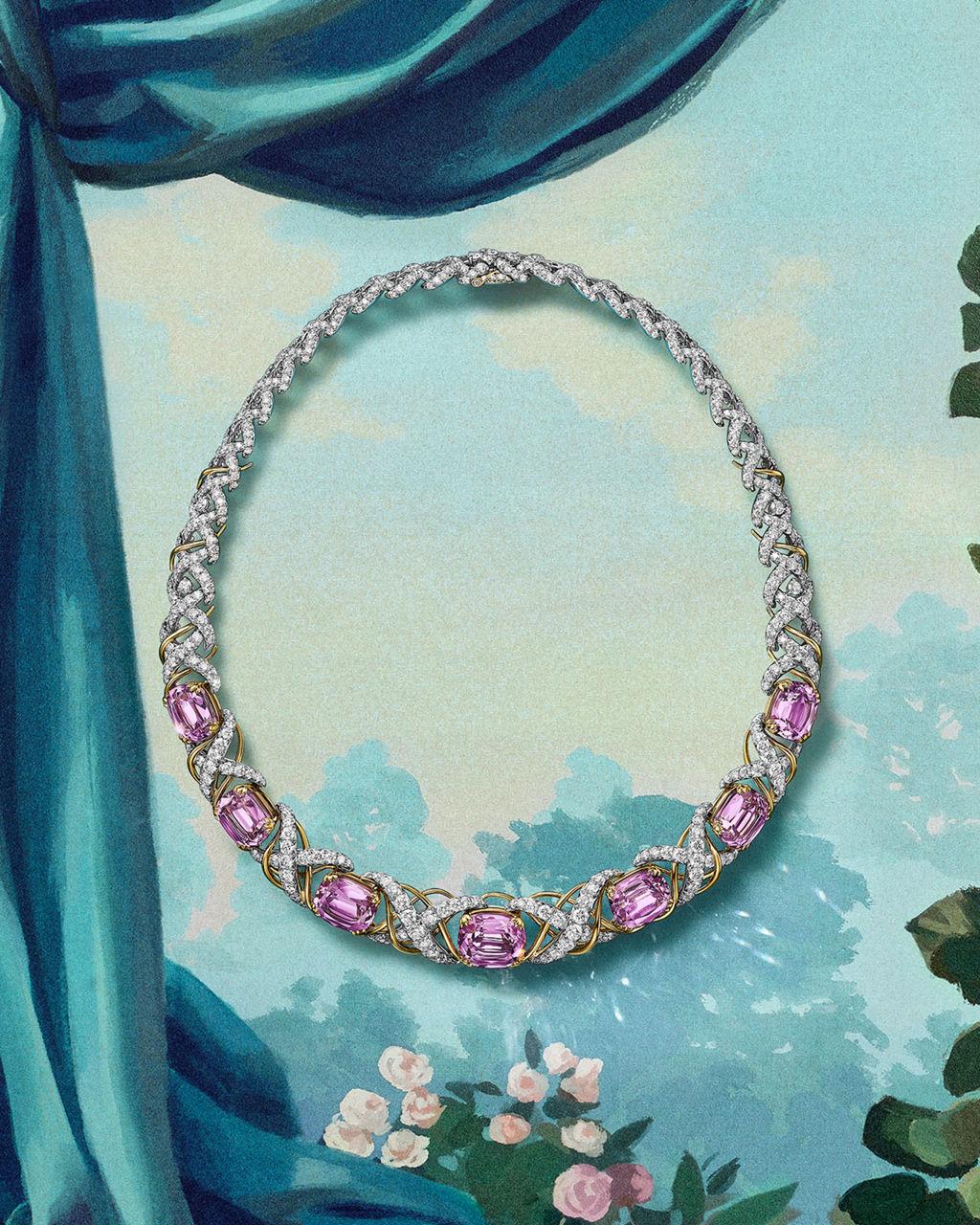
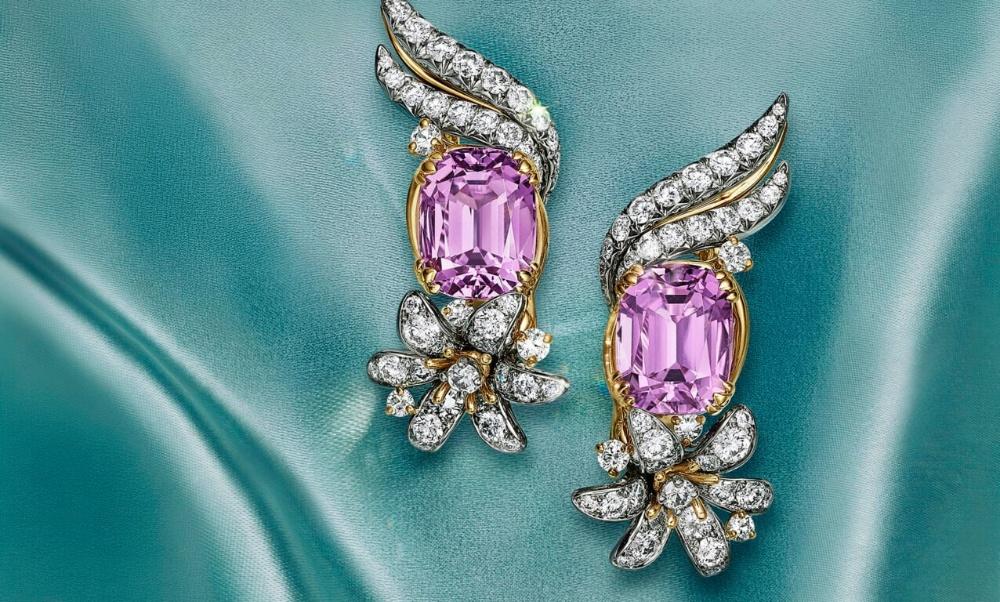
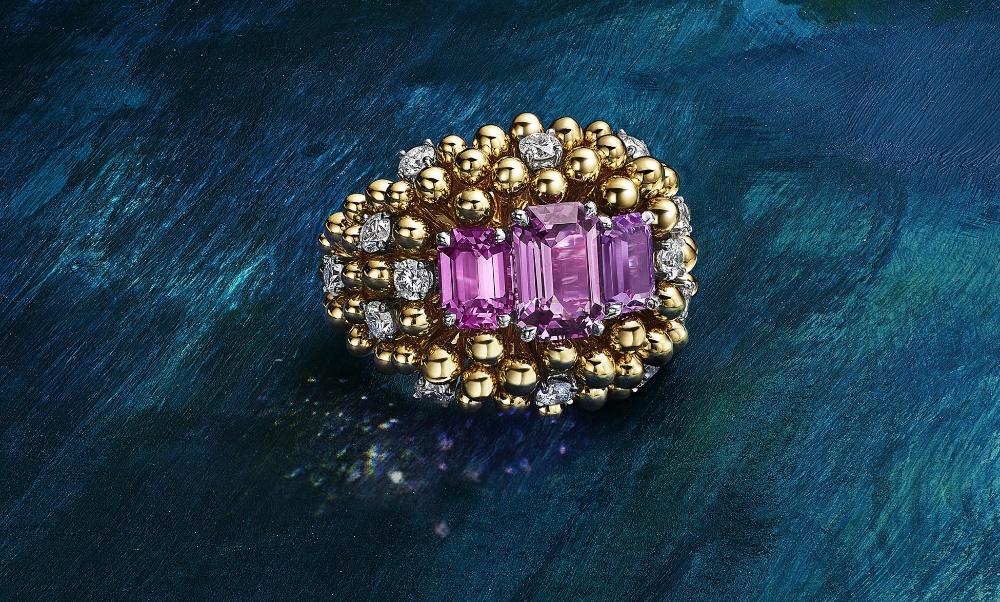
Jasmine — a reworking of Schlumberger’s iconic motif, combining sculptural diamond forms with vivid kunzites. Image credit: Tiffany & Co.
This feels like Tiffany settling into its own pace.
The foundations haven’t changed, but the way they’re being handled has. There’s less need to rely on scale or statement, and more focus on how each piece is put together.
It’s a quieter approach, but a more confident one.
Explore the Tiffany & Co. Blue Book 2026 collection: tiffany.com
Scroll the gallery below to see more
HIGH JEWELLERYAPR 22, 2026
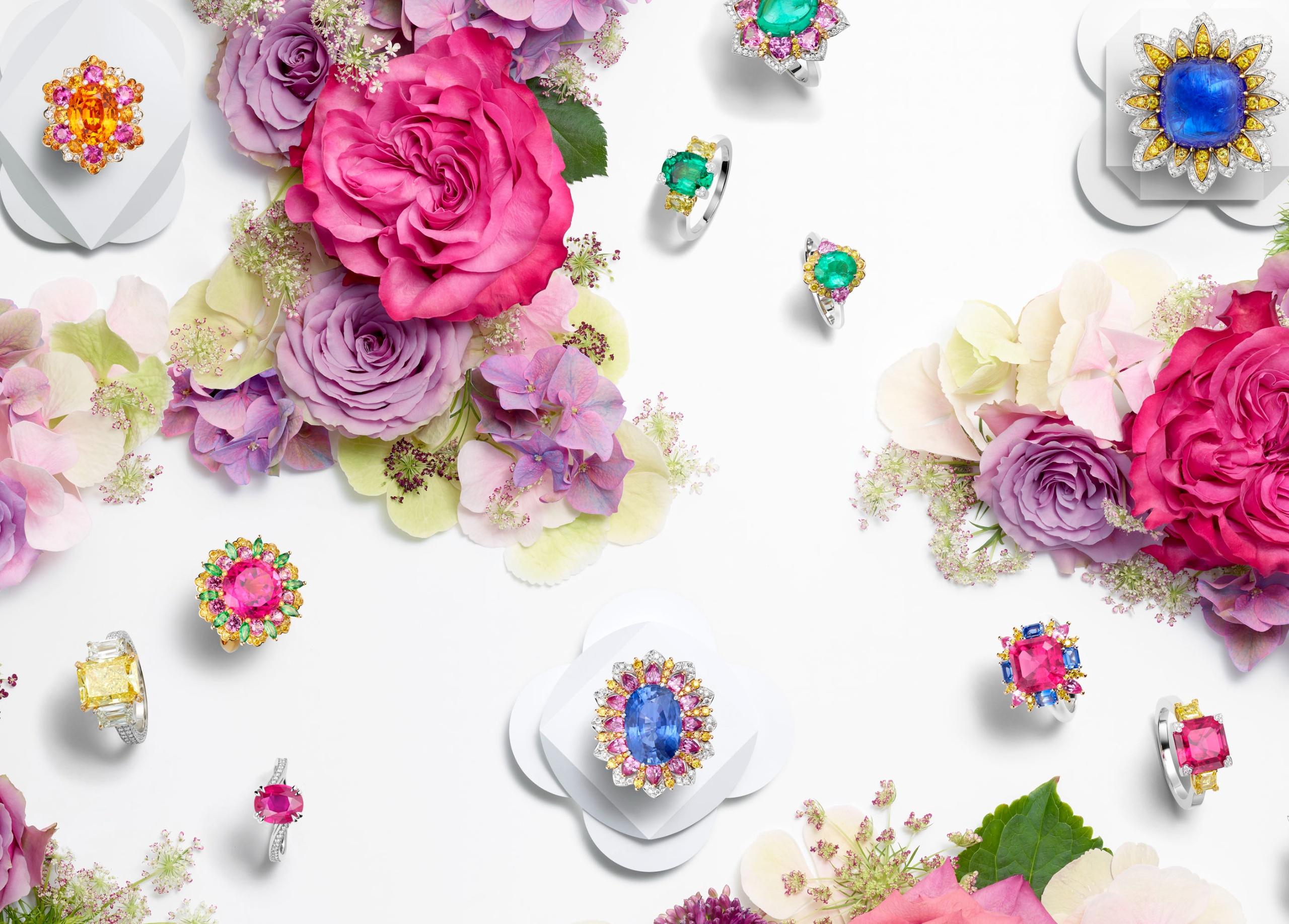
Chopard Caroline’s Garden: A Personal Vision In Full Bloom
Chopard’s Caroline’s Garden transforms nature into high jewellery through bold gemstones, innovative settings and a deeply personal creative vision
READ MORE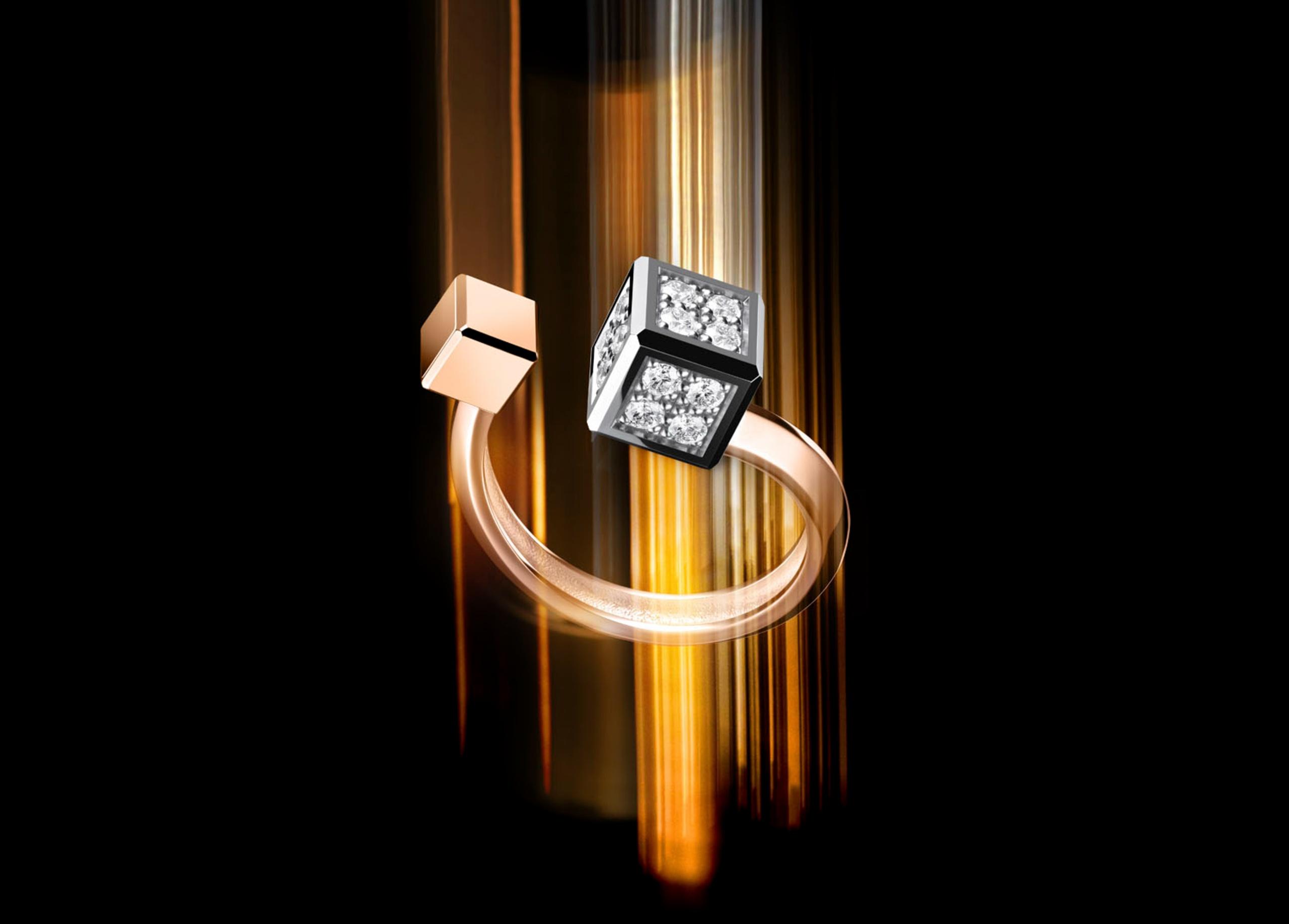
FINE JEWELLERYAPR 23, 2026
Chopard Ice Cube ‘Be Cube’: A Shift in How the Cube Is Seen
Chopard introduces “Be Cube”, a new chapter within its Ice Cube collection, refining the motif into a more sculptural and considered form
READ MORE
BOODLESMAY 18, 2026
Boodles and the Return of British Storytelling in Jewellery
Boodles’ Palace Collection, created with Historic Royal Palaces, reflects a growing focus on British storytelling, heritage and experience-led jewellery
READ MORE



0 Comments
You must be logged in to comment. Click here to login.