






Don't miss a gem
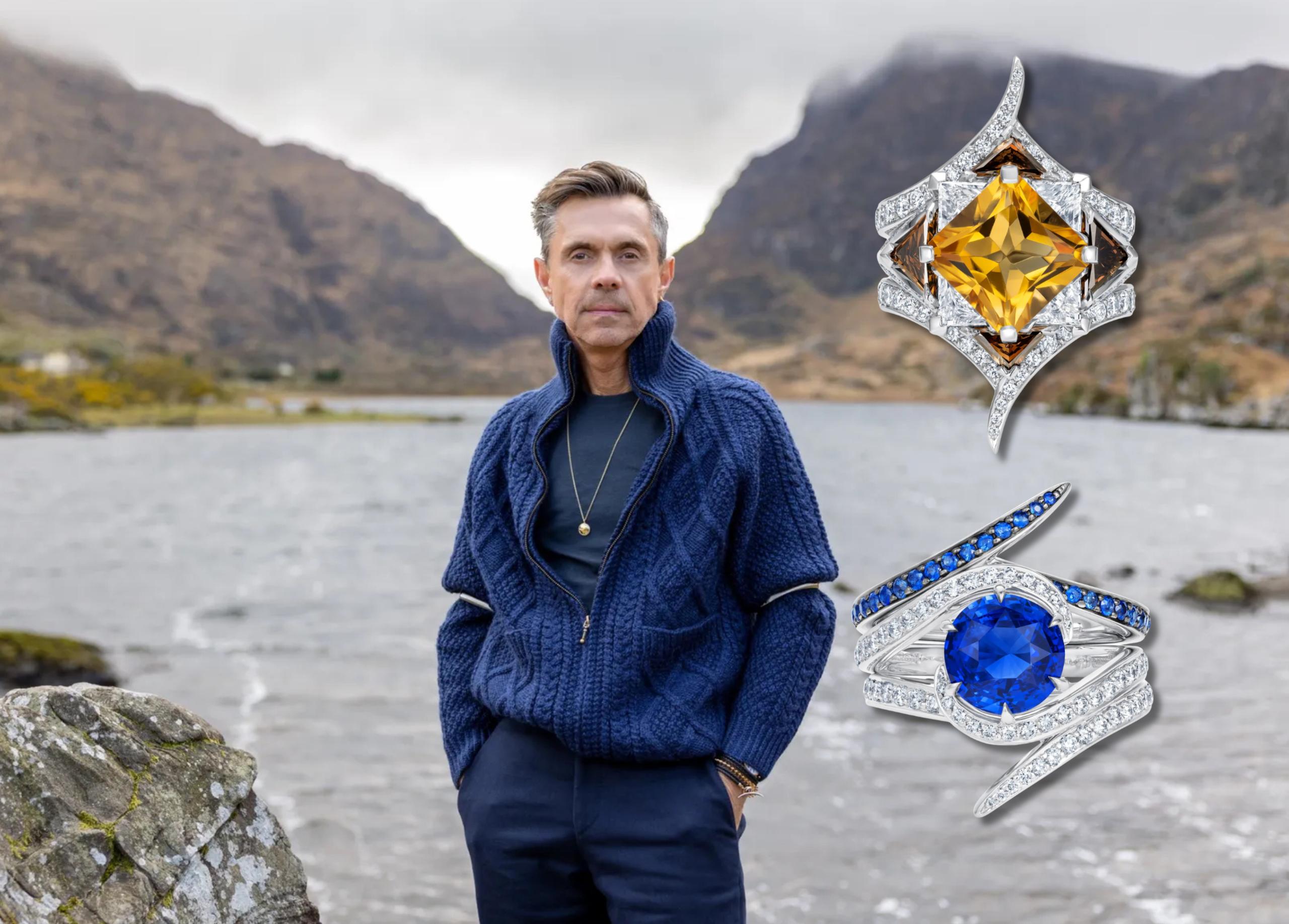
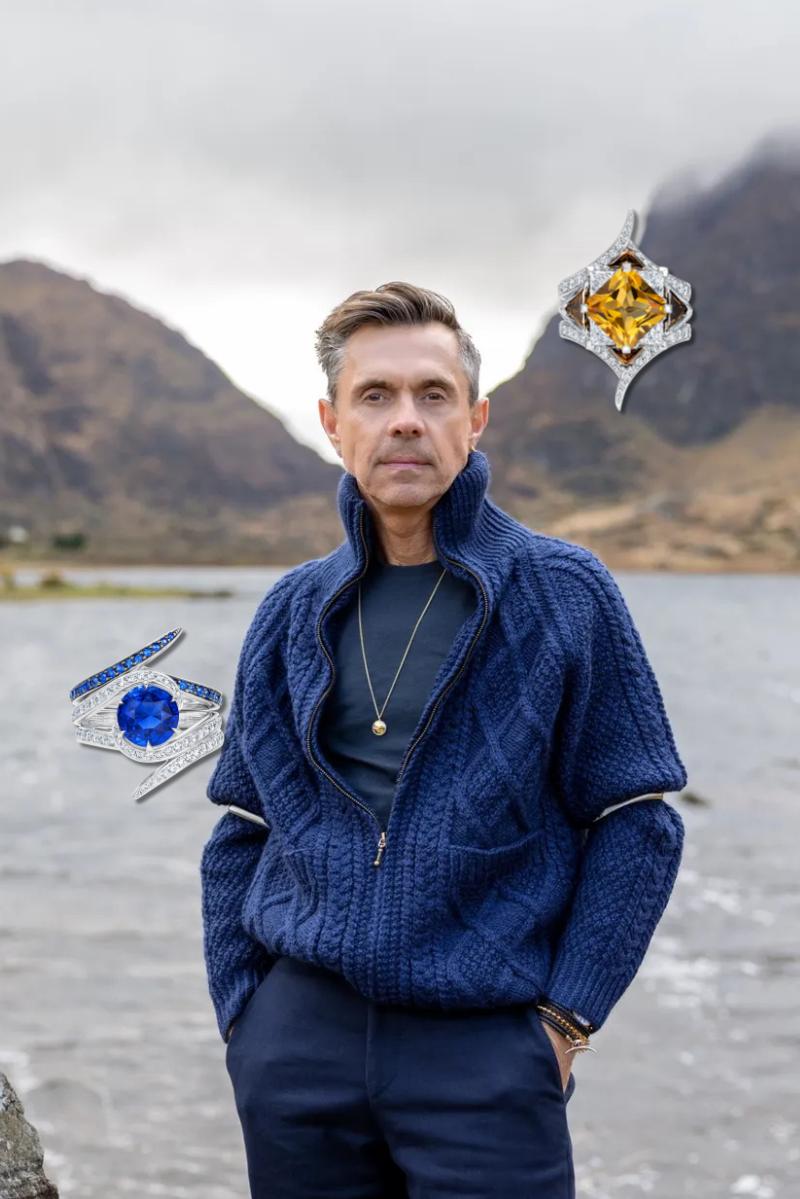
With only twelve commissions a year, Shaun Leane’s new independent atelier replaces the luxury calendar with conversation, craft and time
Shaun Leane returns to the spirit of the atelier with 12, creating a maximum of twelve exceptional commissions a year across jewellery, sculpture and art
There are moments in a designer’s career when the boldest move is not to expand, accelerate or produce more. It is to stop, reconsider and recover the reason for making in the first place.
For Shaun Leane, that moment has become 12: an independent couture-jewellery atelier devoted to creating no more than twelve unique commissions each year. Free from the demands of seasonal collections and constant launches, it marks a decisive return to an older and more intimate idea of luxury—one shaped by patience, collaboration and exceptional craftsmanship.
This is not simply a new label or another chapter in an established jewellery house. It is a fundamental change of pace. After four decades spent developing one of the most recognisable creative languages in contemporary British jewellery, Leane is returning to the conditions in which his most ambitious work has always flourished: time at the bench, trust between maker and client, and the freedom to follow an idea wherever it leads.
Leane began his career as a teenager in London’s Hatton Garden, training in traditional goldsmithing, diamond mounting and antique restoration. Those early years gave him both technical discipline and a respect for the unseen structures that allow jewellery to function beautifully.
His celebrated collaboration with Lee Alexander McQueen revealed what could happen when that discipline met fearless imagination. Together, they pushed jewellery beyond conventional scale and placement, creating sculptural adornments that enclosed, extended and transformed the body.
The relationship established Leane as a designer capable of moving between precision and provocation. His work could be romantic or dangerous, delicate or architectural—but it was always underpinned by the knowledge of how an object should be made.
Over the following decades, his eponymous house translated that language into collections worn and collected around the world. Yet after stepping away from the company in 2024, Leane faced an unusual question: what should a designer do when he no longer needs to prove that he can build a brand?
His answer is to build objects instead.
12 brings him back to the origins of his practice, but with the experience, relationships and confidence accumulated across an extraordinary career. It is less a reinvention than a distillation.

Shaun Leane, founder of the independent couture-jewellery atelier 12, photographed against the dramatic landscape of rural Ireland
The number at the heart of the atelier is not decorative branding. It is a creative boundary.
Only twelve commissions will be produced each year. Some may result in a single object; others could develop into a closely connected group of variations. Each will be numbered and documented, although not every piece will necessarily be made public. Privacy remains part of the commission when the client desires it.
Restricting production so sharply changes the relationship between maker, object and owner. There is no need to fill a collection, meet a launch date or repeat a successful design for a wider market. Every commission must justify the considerable amount of time and attention it receives.
That scarcity also feels more meaningful than the language of the conventional limited edition. These pieces are not made rare through artificial restriction after production. Rarity is built into the process from the beginning.
Only so many conversations can be held with depth. Only so many ideas can be properly developed. Only so many objects can pass through the hands of highly specialised craftspeople without compromise.
The limit of twelve acknowledges those realities rather than attempting to overcome them.
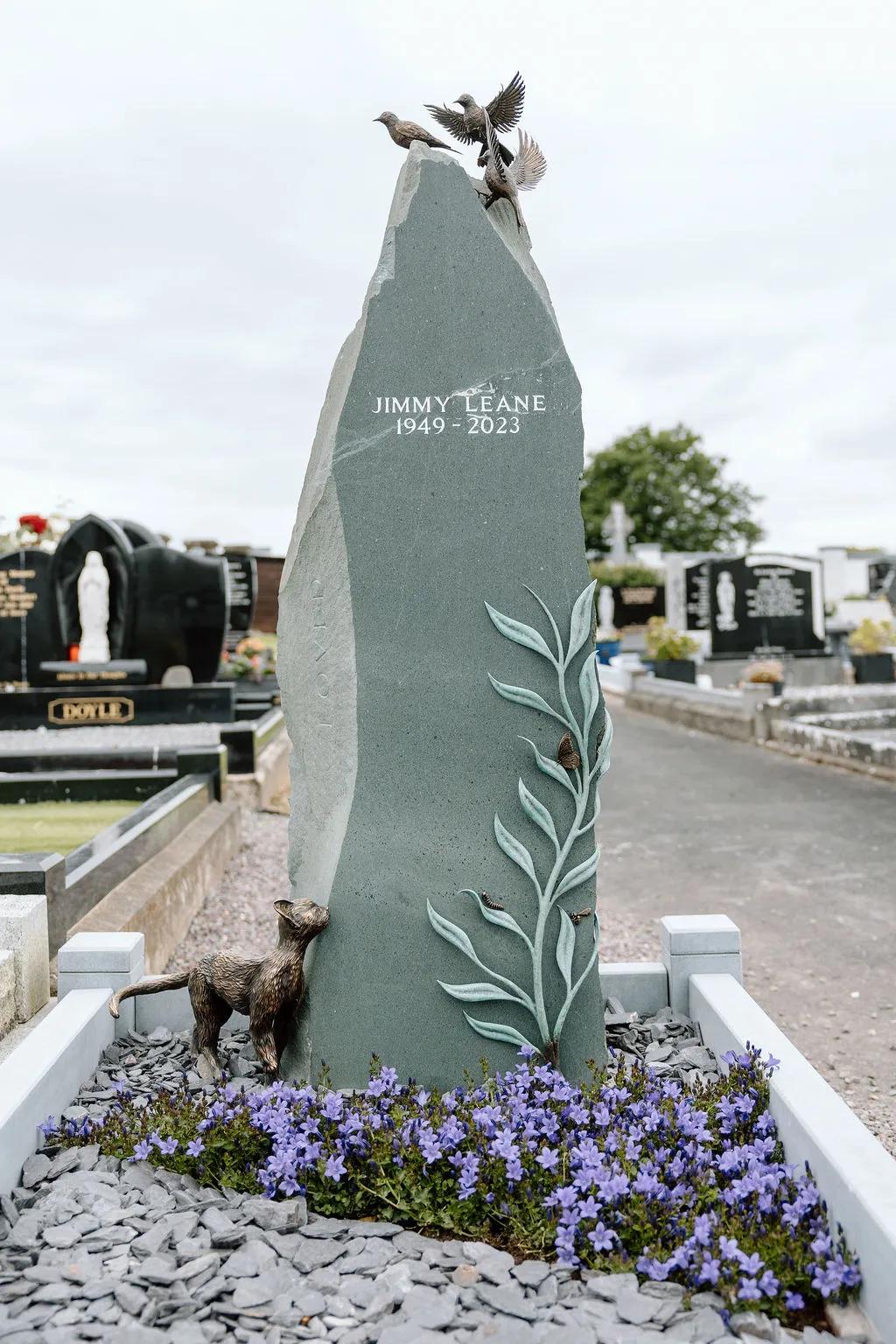
Shaun Leane’s deeply personal memorial to his father, Jimmy Leane, combines carved stone with sculptural flora, birds and a bronze cat
Gold, platinum, diamonds and precious stones are the visible materials of fine jewellery. At 12, time may be the most important material of all.
Time allows a drawing to change. It permits mechanisms to be tested, rejected and remade. It gives a surface the opportunity to acquire the exact tension, rhythm or softness that the design demands. Most importantly, it allows the object to become more resolved than its first conception.
This philosophy runs against an industry increasingly governed by content calendars and the appetite for constant novelty. Even the most exclusive houses are expected to produce frequent collections, events and visual moments. The result can be immaculate, but the schedule itself inevitably becomes part of the design process.
At 12, the timetable is determined by the object.
A commission might take months or considerably longer. Completion comes when the work is ready, not when a marketing plan requires it to appear. That makes patience part of the value exchanged between atelier and client.
The finished piece carries not only precious materials but the evidence of sustained attention.
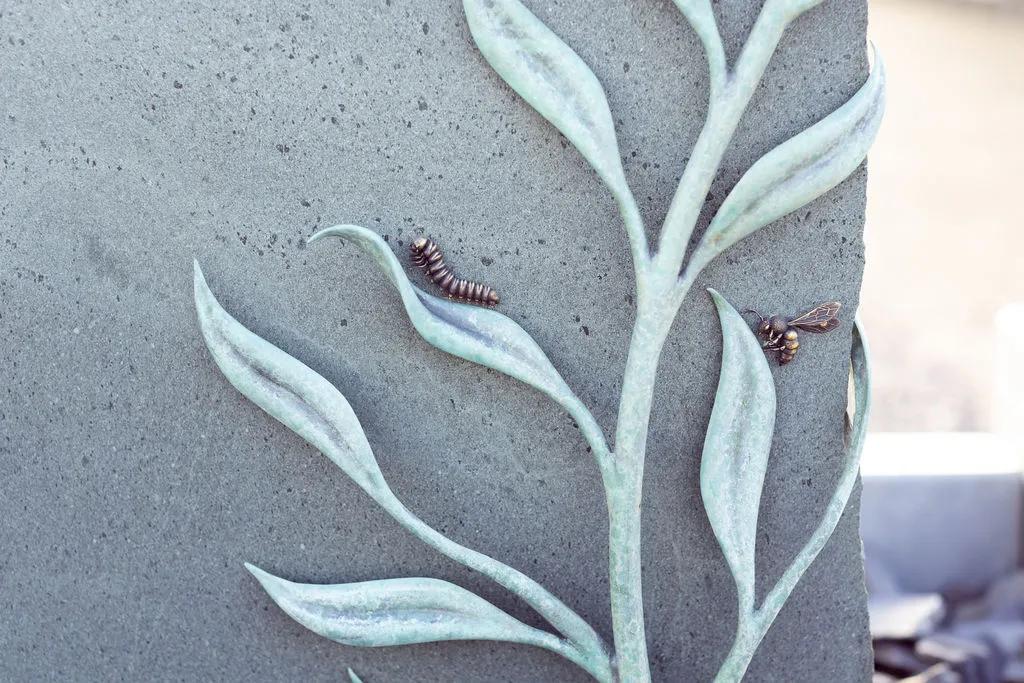
A close-up of the memorial’s sculptural foliage, caterpillar and bee, revealing the intricate natural details woven into Shaun Leane’s tribute to his father
Although 12 bears Shaun Leane’s unmistakable creative identity, its work is not presented as the achievement of a solitary designer.
The atelier draws on a network of specialist makers in London, Paris and Antwerp, alongside craftspeople whose expertise may sit beyond traditional jewellery. Depending on the commission, the process can involve goldsmiths, silversmiths, setters, engravers, enamellers, sculptors, model makers, foundry workers and the artisans responsible for creating a bespoke presentation case.
This collective model matters because ambitious objects rarely fit neatly within the knowledge of a single discipline.
Leane’s role is both author and conductor: setting the creative direction, understanding the structure of the piece and bringing together the people capable of realising it. His own training allows him to speak to makers through the practical language of material, balance and construction.
The result should not erase the hand of the artisan. It should reveal what becomes possible when specialist knowledge is treated as an essential creative force.
The word “atelier” is especially appropriate because 12 is not confined to jewellery in its most familiar form.
Its commissions are organised across three broad expressions. Fine Jewellery encompasses precious pieces grounded in traditional techniques and materials. Visionary explores sculptural adornment and the relationship between an object and the body. Objet d’art opens the practice further, allowing Leane to work in sculpture, interiors and the public realm.
That breadth follows a line already visible throughout his career. Leane has never treated jewellery as a closed category. His collars, facial ornaments and body pieces challenged assumptions about where jewellery could be worn, while later projects expanded his understanding of scale, structure and architectural space.
Under 12, a client might commission a ring, a body sculpture, a ceremonial object or something that does not yet have an established name. The atelier could also work with architects, designers, institutions and luxury houses when a project calls for its particular combination of technical refinement and expressive form.
The connecting principle is not the object’s function. It is the standard of thought and making applied to it.
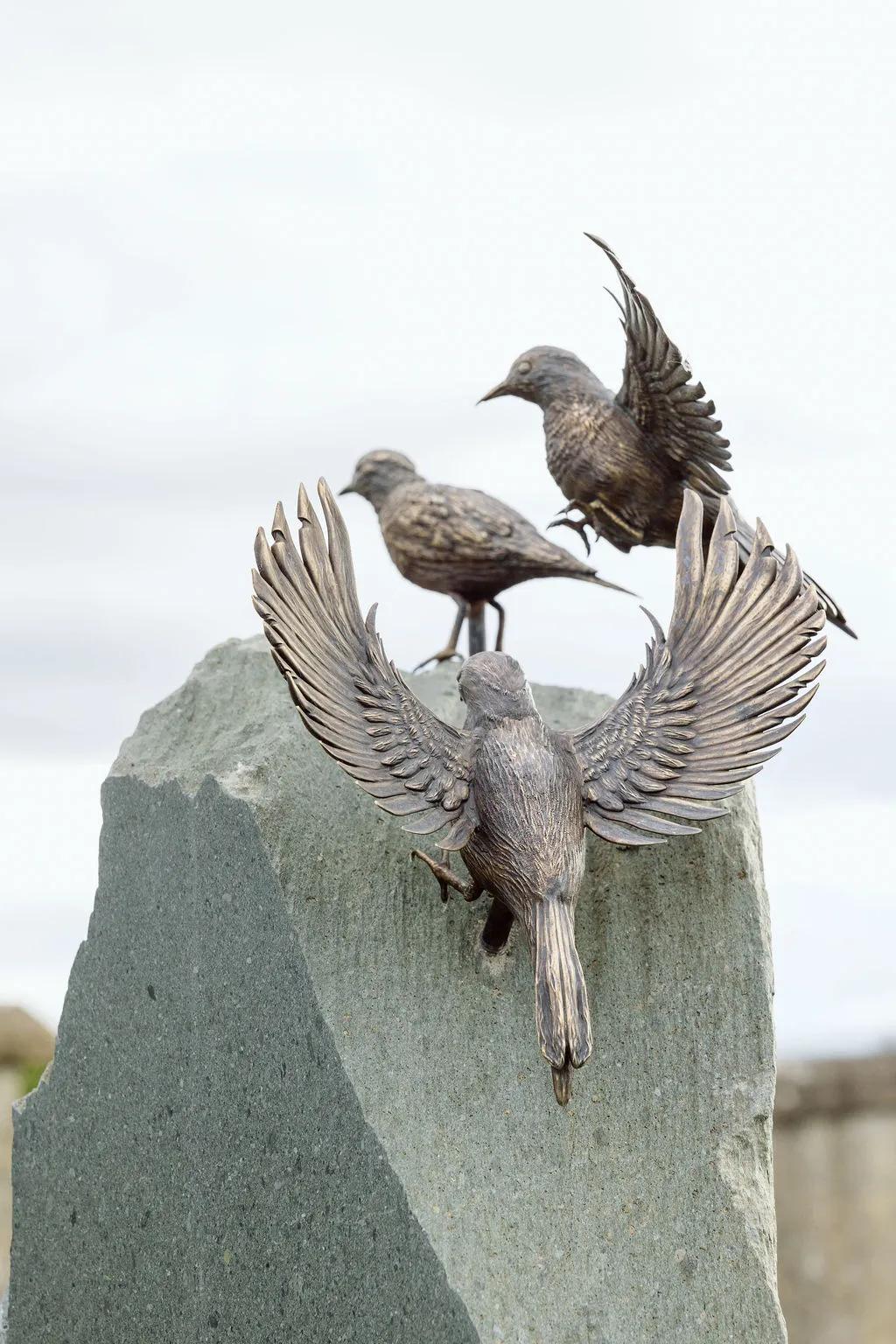
Three intricately sculpted birds crown the stone memorial created by Shaun Leane in tribute to his father, Jimmy Leane.
The earliest commissions already reveal the emotional and material range that 12 intends to explore.
One of the most personal is a memorial created for Leane’s late father. Rather than approaching remembrance as a purely formal exercise, the work incorporates imagery drawn from flora and fauna and is accompanied by a bronze cat. It suggests that a deeply private object can be both tender and technically ambitious.
At another scale, Leane has created a couture collar for Daphne Guinness. Developed over many months, the sterling-silver piece continues a creative relationship shaped by mutual daring and an instinctive understanding of adornment as performance. It also brings Leane back to the territory in which jewellery becomes inseparable from the posture and presence of its wearer.
Alongside these sculptural commissions are fine-jewellery pieces with more restrained silhouettes. Their apparent simplicity places greater pressure on proportion, weight and finish. Without ornament to disguise an awkward transition or unresolved curve, every detail has to hold its own.
Together, these works show that 12 will not be defined by a single aesthetic. Its identity lies in the quality of the process and the intensity of the relationship behind each commission.
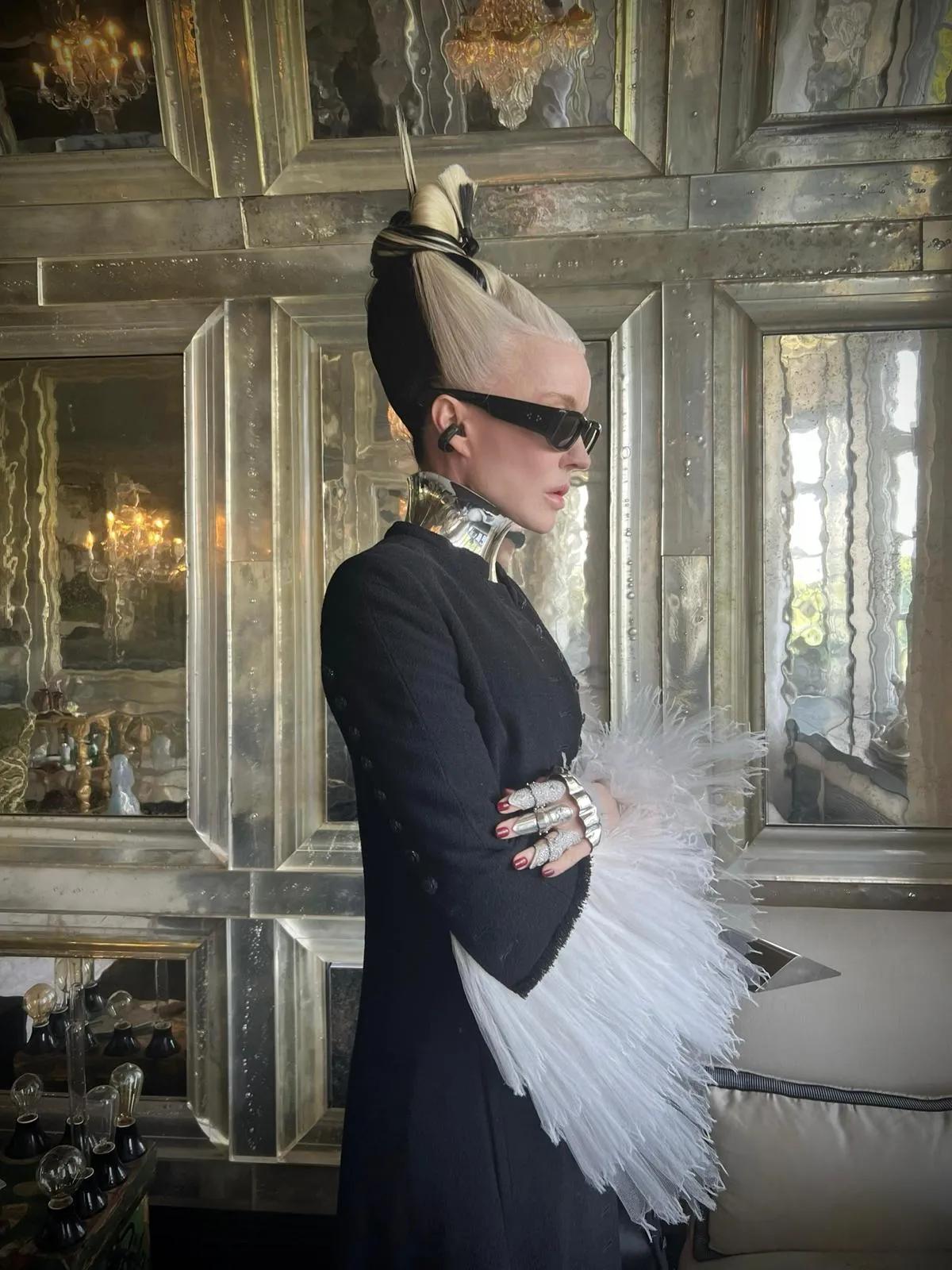
Daphne Guinness wears Shaun Leane’s sculptural sterling-silver collar, an early commission from his independent atelier, 12
Every 12 commission begins with conversation.
That may sound familiar in bespoke jewellery, but here the conversation is intended to determine far more than stone size, metal choice or budget. The atelier wants to understand the client’s memories, cultural references, emotional attachments and reasons for commissioning the piece.
The most successful bespoke object is not simply personalised. It reveals something about its owner that could not have been expressed through an existing design.
This demands openness from both parties. The client must be willing to enter a process whose final destination may not be immediately visible. The designer must listen without merely illustrating a request. Between them, an idea is gradually tested until it feels both unexpected and inevitable.
It is an unusually intimate model of luxury. The client is purchasing an object, but also entering a creative relationship and accepting the time required for that relationship to produce something meaningful.
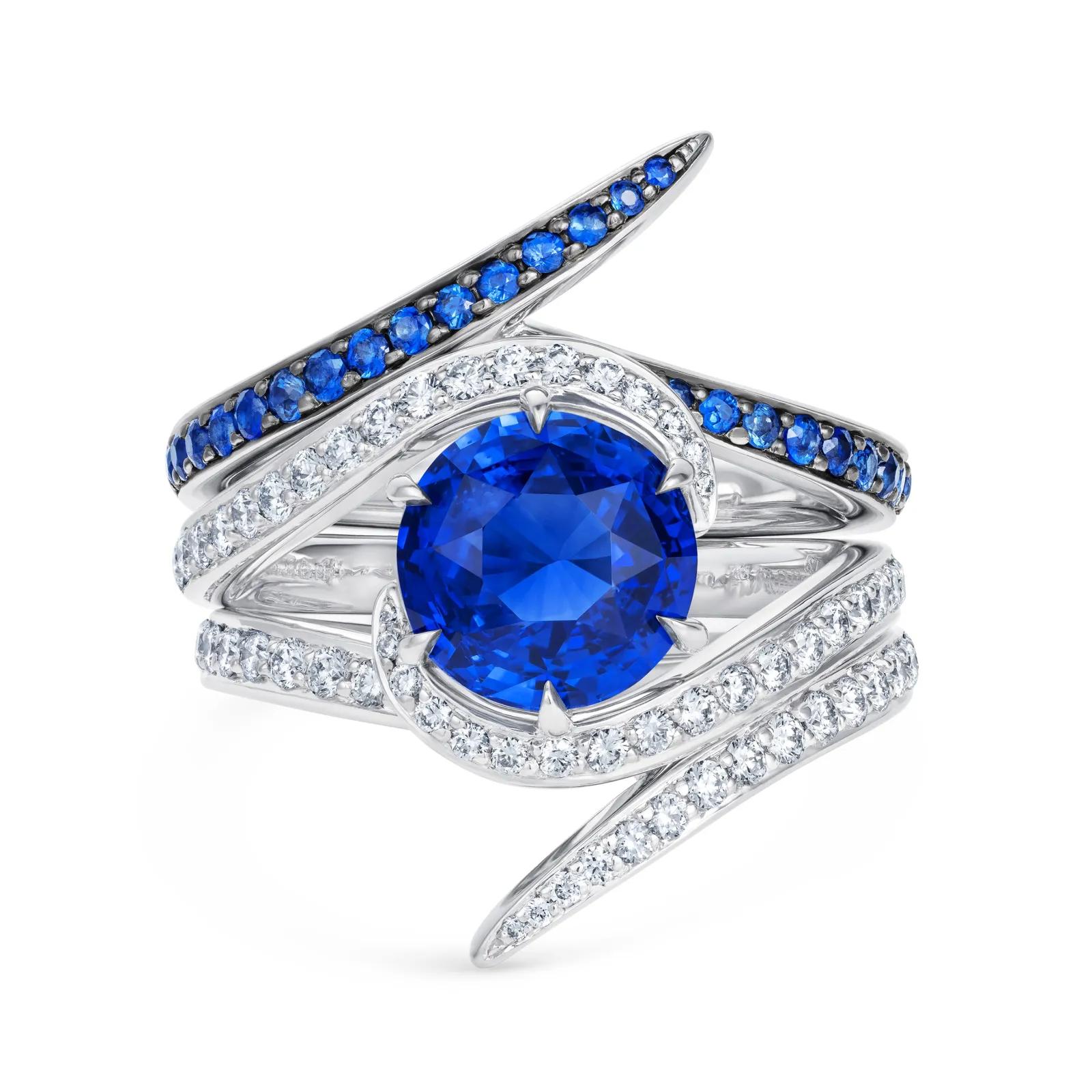
A vivid blue gemstone takes centre stage in this sculptural fine-jewellery ring by Shaun Leane, framed by sweeping lines of diamonds and tonal blue stones
12 also connects rarity with provenance.
The atelier states that its gold will be independently certified and its stones selected with traceable origins wherever possible. This is not treated as a separate ethical message attached to the finished object, but as part of the object’s integrity.
At this level of craftsmanship, beauty cannot credibly be limited to surface appearance. The history of the materials, the conditions in which people work and the ability of an object to endure all contribute to its value.
Producing only twelve commissions a year does not answer every environmental or ethical question facing jewellery. It does, however, establish a model in which fewer objects receive more care, materials are chosen deliberately and pieces are made with the expectation that they will outlast their first owners.
The ambition is not simply to create something expensive or exclusive. It is to create an heirloom whose relevance deepens rather than diminishes with time.
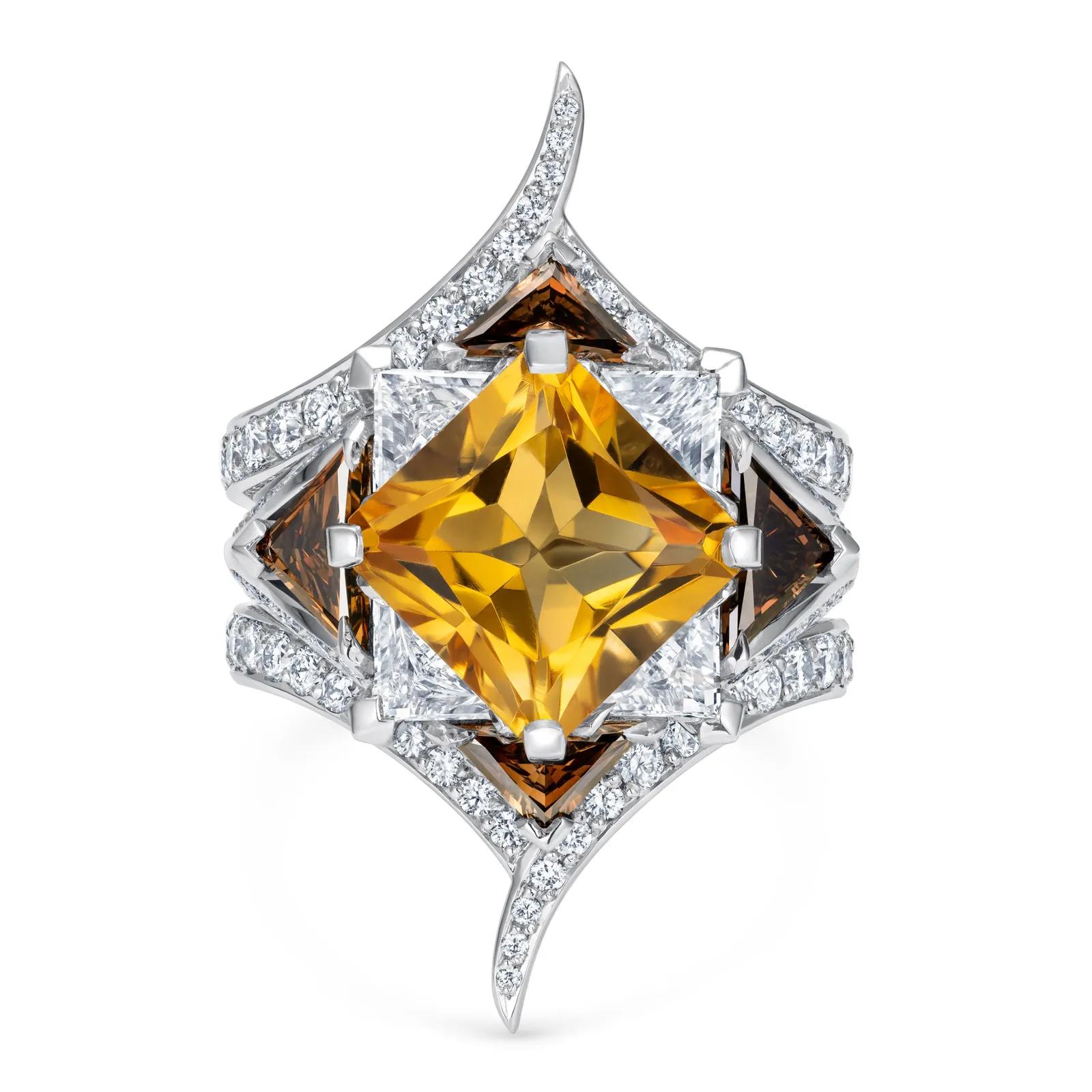
A golden square-cut gemstone anchors this architectural Shaun Leane ring, framed by contrasting brown stones and sweeping pavé-set diamonds
12 arrives at a moment when luxury is reconsidering what exclusivity actually means.
Access, scarcity and price remain part of the equation, but they no longer feel sufficient on their own. The most compelling form of modern luxury may be the ability to give one idea uninterrupted attention—and to work with people whose skills cannot be hurried or easily replaced.
What makes Leane’s new atelier particularly interesting is that it does not reject his past. It gathers its most important strands: the discipline of Hatton Garden, the radical imagination of the McQueen years, the knowledge acquired through building a global house and the confidence to work beyond jewellery’s traditional boundaries.
Yet it removes the obligation to repeat any of them.
By limiting himself to twelve commissions, Leane has created a structure in which uncertainty becomes possible again. He does not need to know at the beginning of the year what all twelve objects will be. A conversation may lead to a ring, a collar, a sculpture or an entirely new category of work.
That freedom is the real promise of 12.
It is not a retreat from ambition. It is ambition measured through depth rather than volume.
I have known Shaun for many years and am proud to call him a long-time friend. I also own many of his pieces, and living with them has only deepened my appreciation for the precision, tension and emotional intelligence within his work.
This new step feels both bold and entirely true to the maker I know: curious, exacting and committed to pushing craftsmanship further. We look forward to seeing what Shaun and the extraordinary artisans around him make possible through 12.
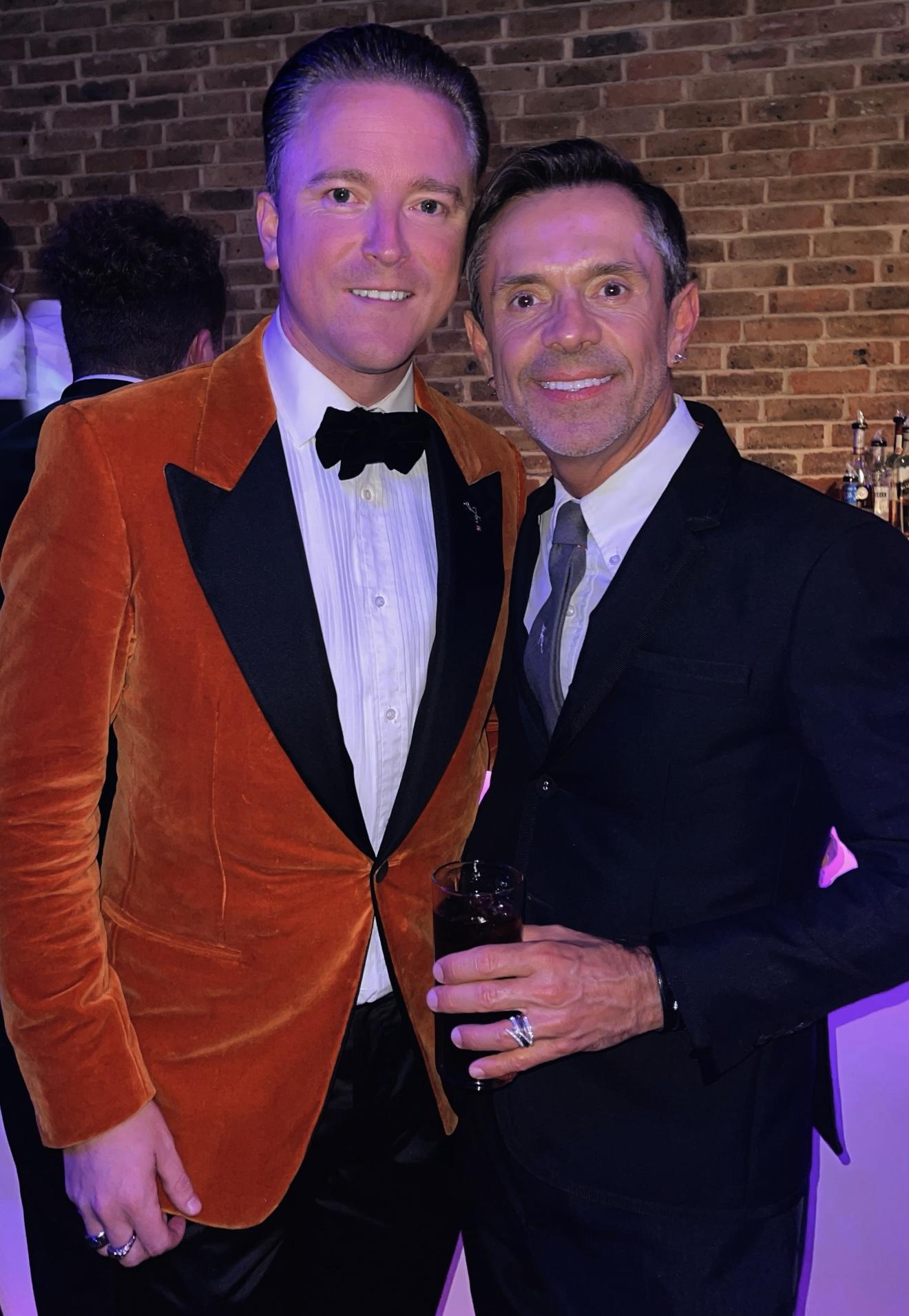
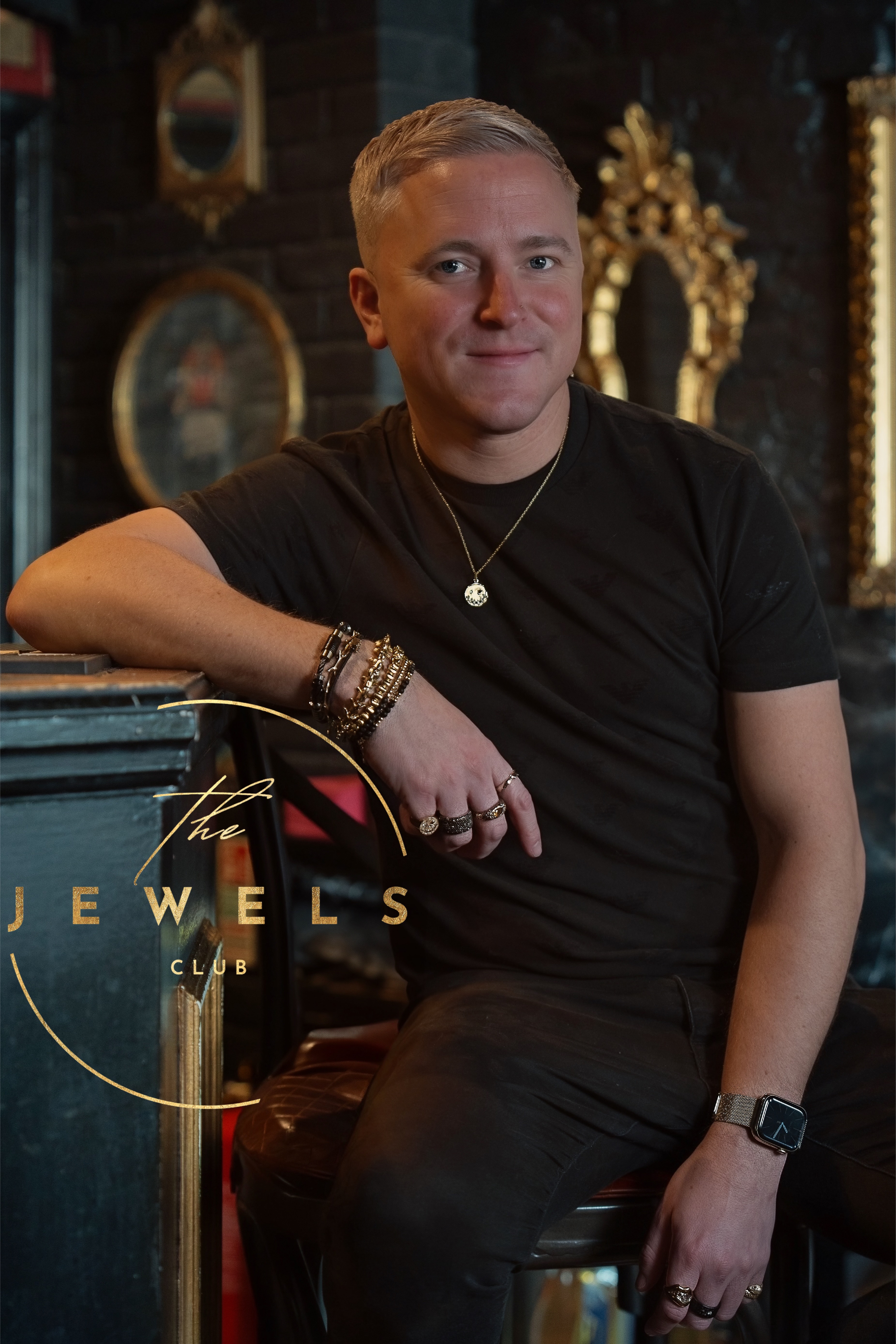
The Jewels Club founder Andrew Martyniuk with his long-time friend, British jewellery designer Shaun Leane, at an industry celebration
Discover Shaun Leane’s independent atelier at 12creations.com
Follow his work on Instagram.
Scroll the gallery below to see more

JEWELSMAY 9, 2025
The Power List 2025: Celebrating Jewellery’s Most Influential Voices
The 2025 Professional Jeweller Power List has been unveiled, spotlighting the individual’s driving innovation, creativity, and progress across the jewellery sector. This annual list recognise
READ MORE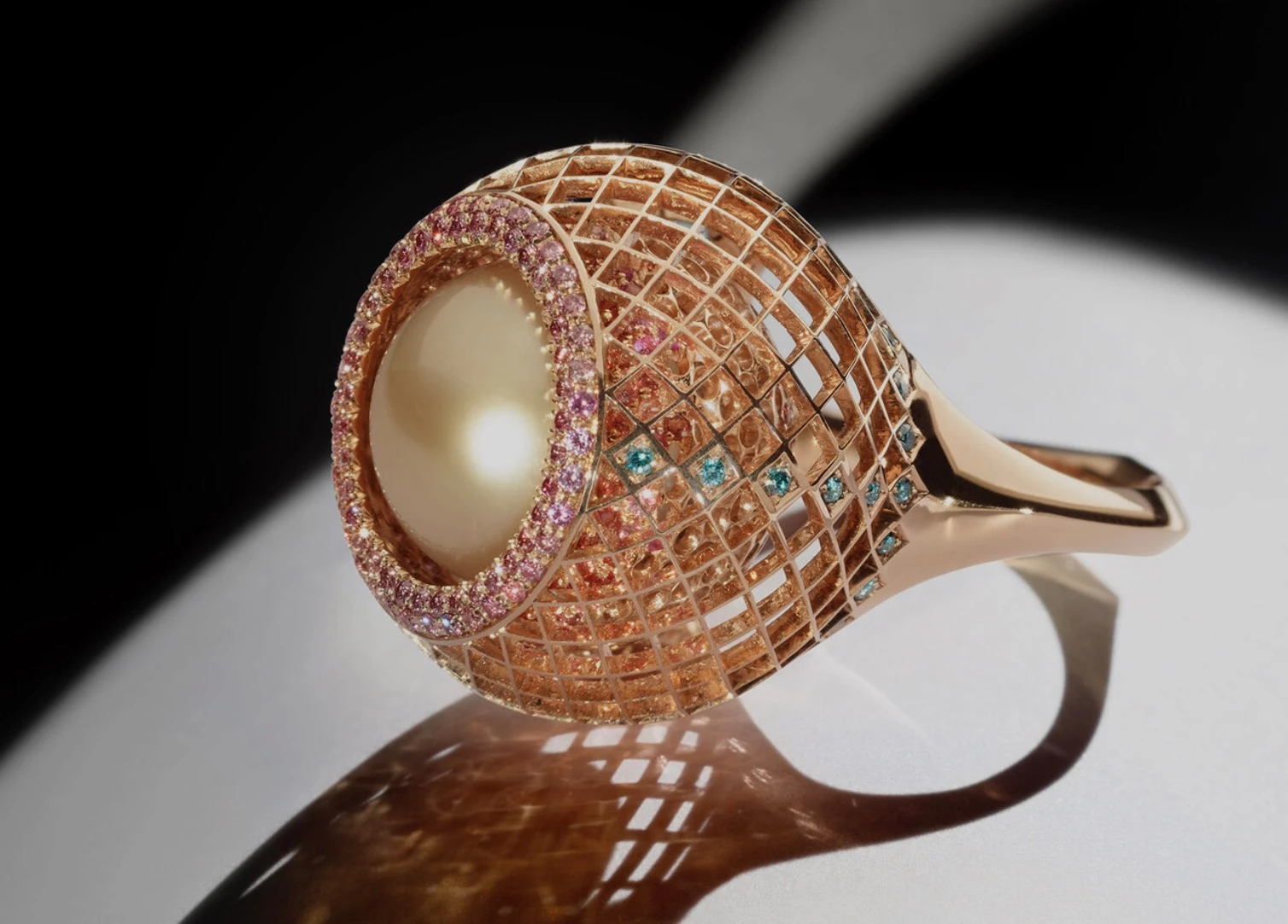
JEWELSJUN 3, 2025
Nigel O’Reilly: The Goldsmith of the West
Nigel O’Reilly is the Irish goldsmith capturing international attention with his intensely personal, gemstone-rich creations. Handcrafted in his Castlebar studio and worn by Hollywood’s fines
READ MORE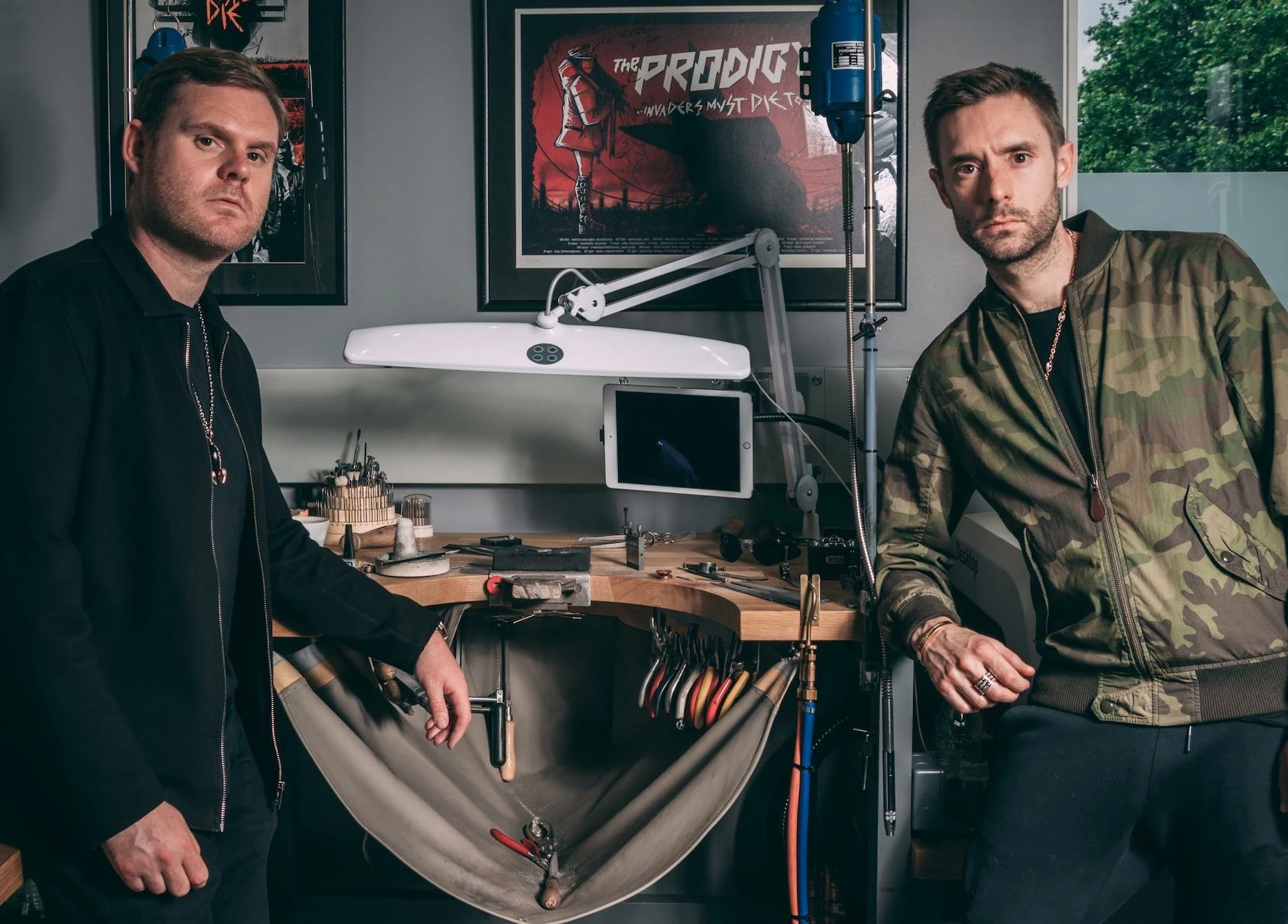
JEWELSJUN 5, 2025
Bobby White: The East London Designer Making Jewellery Move
Bobby White is a self-made London jeweller known for pieces that move — in every sense. His kinetic designs, YouTube presence and hands-on approach have earned him a cult following.
READ MORE



0 Comments
You must be logged in to comment. Click here to login.