






Don't miss a gem
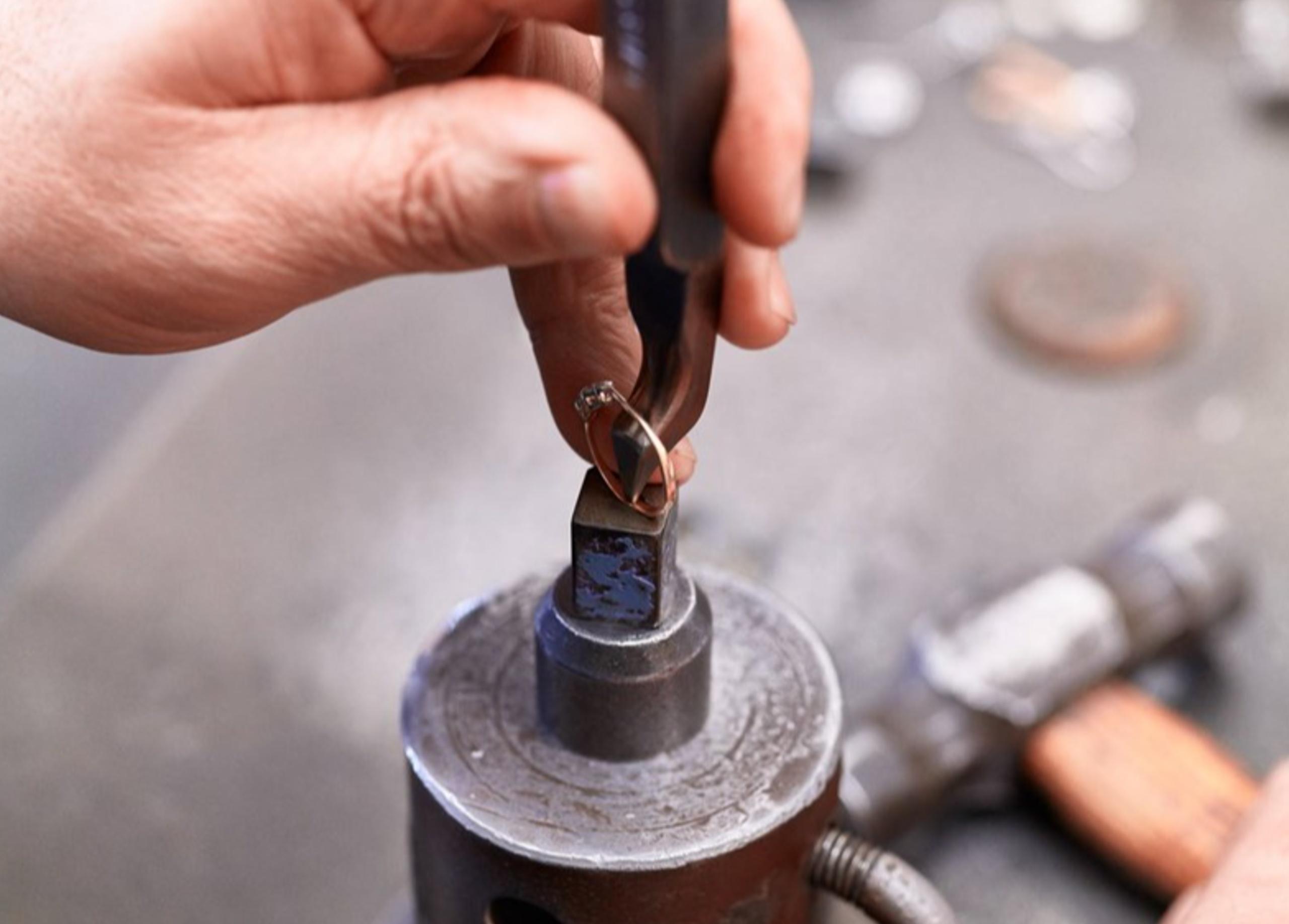
As gold and silver prices rise, the jewellery market is changing. From solid precious metals to plated designs and new alloys, do consumers really know what they are buying?
Gold, silver, plating and value. What rising metal prices mean for the jewellery we buy and the questions every consumer should ask
Gold and silver have always shaped the jewellery world. They influence the weight of a piece, the price on the label and, often, the emotional value we attach to it.
Now, that relationship is becoming impossible to ignore.
Precious metal prices have risen sharply. In the second quarter of 2026, the average gold price was US$4,506 per ounce, 37% higher than during the same period the previous year. Global gold jewellery demand fell by 17% in volume, yet consumer spending on gold jewellery still rose to US$40 billion.
The picture is clear. People are buying less gold by weight, but they are still spending on jewellery.
For designers, manufacturers and retailers, the result is a changing market. Pieces are becoming lighter. Lower carats are gaining more attention. Plating is becoming more common. Brands are looking at alternative metal blends and new ways to give customers the look they want at a price they can justify.
This is not necessarily a bad thing. Jewellery should exist at different price points. Not every customer is looking for a future heirloom. Some want a meaningful gift, a fashion piece, a collectable charm or a design that allows them to enjoy a particular look without making a major fine jewellery investment.
The important question is not whether a piece is solid gold, sterling silver or plated.
The important question is whether the customer understands the difference.
Gold has always been a material of beauty, status and security. It is also increasingly expensive.
When gold prices rise, brands have limited options. They can raise their retail prices, reduce the weight of a piece, use a lower carat, change the design, introduce plating or absorb the extra cost themselves.
Most brands will use a combination of all of these approaches.
For customers, this means a ring that may have once been made in solid 18ct gold could now be offered in 9ct gold, gold vermeil, plated sterling silver or a gold plated alloy. The visual effect may be similar at first glance, but the material value, longevity and care requirements are very different.
Silver is facing pressure too. Its annual average price rose significantly during 2025, while market volatility continued into 2026. Silver remains one of the most important materials in accessible jewellery, yet it is also used widely in industry, including technology and renewable energy.
As a result, silver is no longer simply seen as the affordable alternative to gold. It has become a material whose value and availability must be considered carefully by every brand that relies on it.
For independent designers, this is particularly challenging. A rise in metal costs can make a real difference to the viability of a collection. It may affect a brand’s margins, its wholesale pricing and the price a customer sees in a shop.
The creative response has been fascinating. Designers are thinking more carefully about weight, proportion, hollow construction, alternative finishes and the balance between precious materials and visual impact.
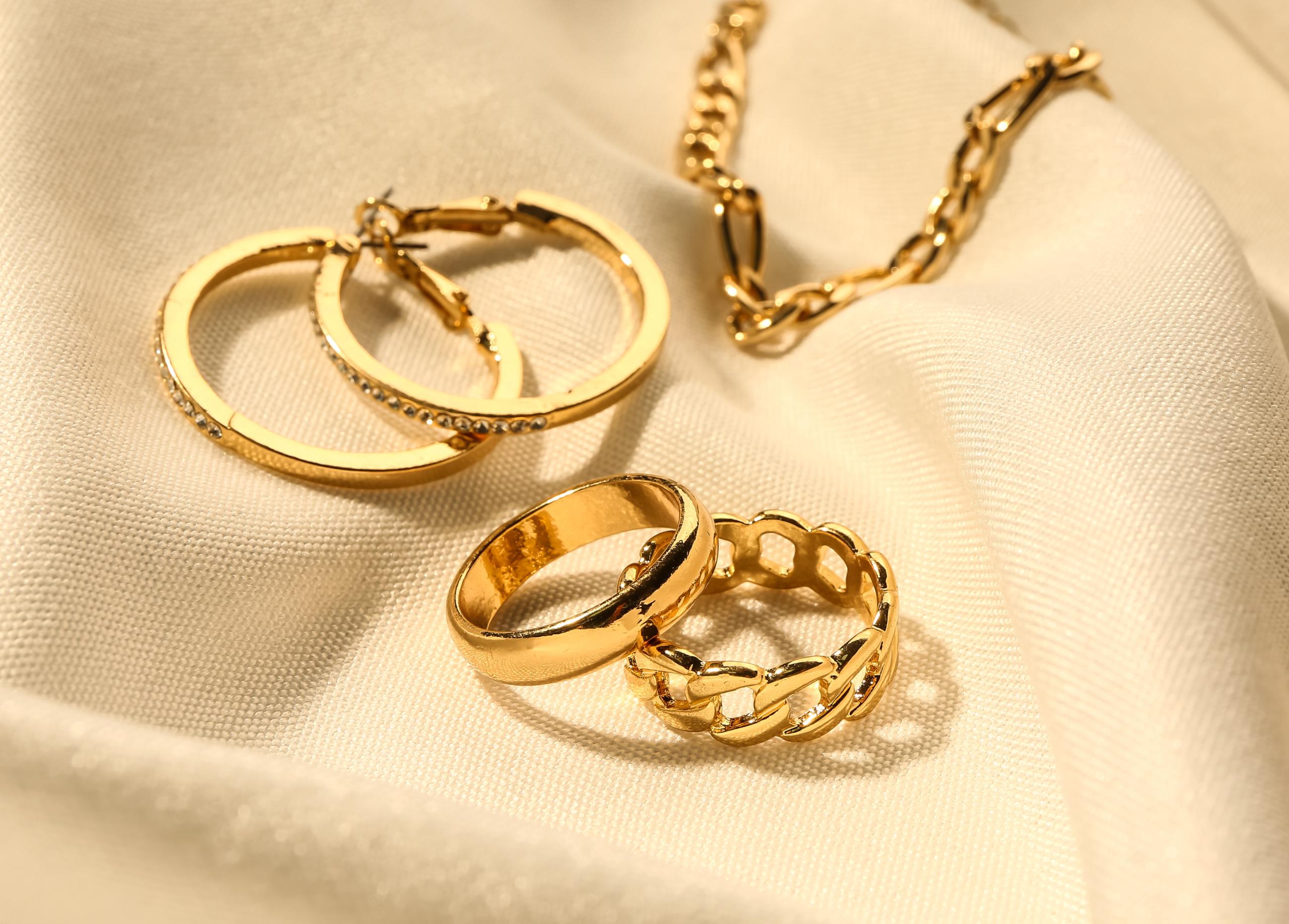
Gold jewellery in focus as rising precious metal prices reshape what consumers buy and how brands design.
Plated jewellery is not automatically lesser jewellery.
A well designed gold plated piece can be beautiful, wearable and accessible. It can give a customer the opportunity to enjoy bold scale, colour and contemporary design without the cost associated with solid gold.
The problem comes when the language around materials is unclear.
Gold plated, gold vermeil, gold tone, rolled gold, gold filled and solid gold are not the same thing. Yet for a consumer who is not familiar with jewellery terminology, the differences may not be obvious.
Gold plated jewellery has a layer of gold applied over another material. That material could be sterling silver or it could be a non precious metal alloy. The amount of gold used is very different from a piece made in solid gold.
Gold vermeil is generally gold plating over sterling silver. It is often associated with a thicker layer of plating, although consumers should still check the individual product description.
Solid gold means that the piece is made from a gold alloy throughout. Even then, the carat matters. Nine carat gold contains less pure gold than 18ct gold, but it is often more durable and considerably more accessible in price.
These distinctions do not make one choice better than another. They simply help customers make the right choice for their budget, lifestyle and expectations.
A plated ring may be the perfect purchase for someone who wants a statement piece to wear regularly for a season. A solid gold ring may be the right choice for someone buying an engagement ring, an anniversary gift or a piece they hope to wear for decades.
Both purchases can be valuable. They just offer different kinds of value.
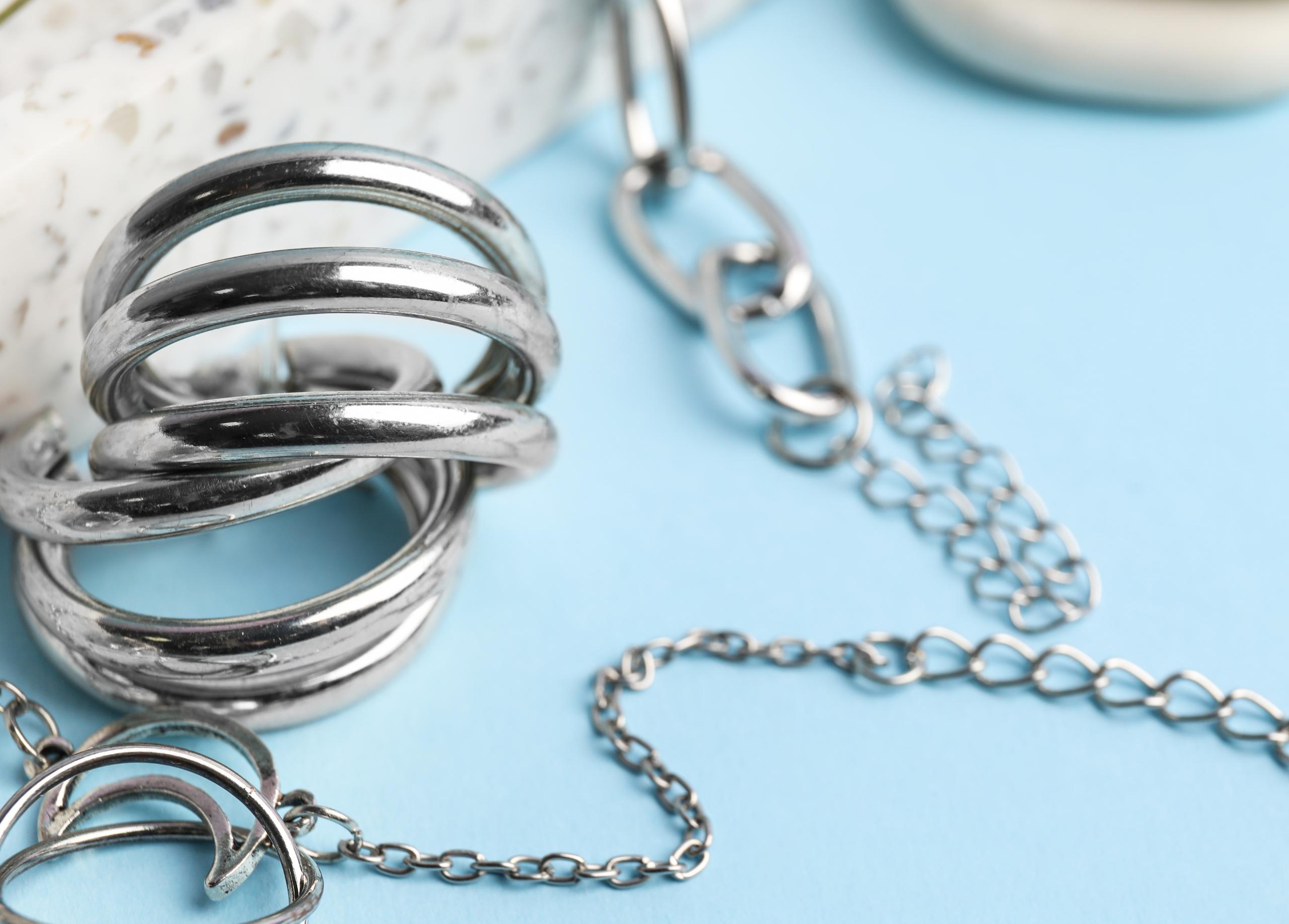
Silver and silver-plated jewellery offer different price points, finishes and considerations for consumers
Pandora is one of the most visible examples of how the wider jewellery market is responding to material pressures.
The brand continues to sell sterling silver and gold jewellery, and has made a significant commitment to using recycled silver and gold in its new jewellery. It has also expanded its plated collections over recent years.
In early 2026, Pandora announced platinum plated jewellery built on its proprietary Pandora Evershine alloy platform. The company says the material has been developed to offer hypoallergenic, water resistant and tarnish resistant performance for everyday wear.
This does not mean that Pandora has moved away from precious metals completely. It does show that even the largest jewellery brands are looking closely at how material choices affect price, performance and customer appeal.
For Pandora customers, and for customers of any jewellery brand, the key is to look beyond the colour of the piece.
A gold coloured bracelet may be solid gold, gold plated sterling silver or plated over a metal alloy. A silver coloured bracelet may be sterling silver, rhodium plated silver, stainless steel or a different alloy entirely.
The description matters. The hallmark matters. The care advice matters.
Some customers are very informed. They know what a hallmark means, understand the difference between 9ct and 18ct gold, and will ask exactly what sits beneath a plated surface.
Others are buying because they love a design, trust a brand or want to mark a moment. They may not study the material description in detail.
That is understandable. Jewellery is emotional. It is often bought in a hurry, given as a gift or chosen because it feels special.
But brands and retailers have a responsibility to make the facts easy to find.
Customers should not have to search through multiple pages to establish whether a piece is sterling silver, plated silver or a base metal alloy. They should not need specialist knowledge to understand how a piece will wear or whether it carries a hallmark.
Clear material descriptions build trust.
A customer is far more likely to feel positive about a plated piece if they understand what it is, why it has been made that way and how best to care for it.
The opposite is also true. Disappointment often comes not because a piece is plated, but because someone believed they were buying something different.

Knowing what you are buying starts with asking the right questions about metal, plating, purity and value.
Hallmarking remains one of the most important forms of consumer protection in jewellery.
In the United Kingdom, jewellery described as gold, silver, platinum or palladium must be hallmarked when it is above the relevant legal weight threshold. A hallmark independently verifies the metal and its fineness.
For example, a 925 mark indicates sterling silver. A 375 mark indicates 9ct gold. A 750 mark indicates 18ct gold.
If a piece is gold plated sterling silver, it is hallmarked as silver, not gold. This is an important distinction.
A hallmark does not tell a customer everything about design, craftsmanship or value. It does, however, confirm the precious metal content of the item.
For customers, it is worth taking a moment to look for the hallmark or ask the retailer where it can be found.
For brands and retailers, this should be part of the story they tell. Hallmarking is not dry technical information. It is reassurance. It shows that a piece has been independently tested and accurately described.
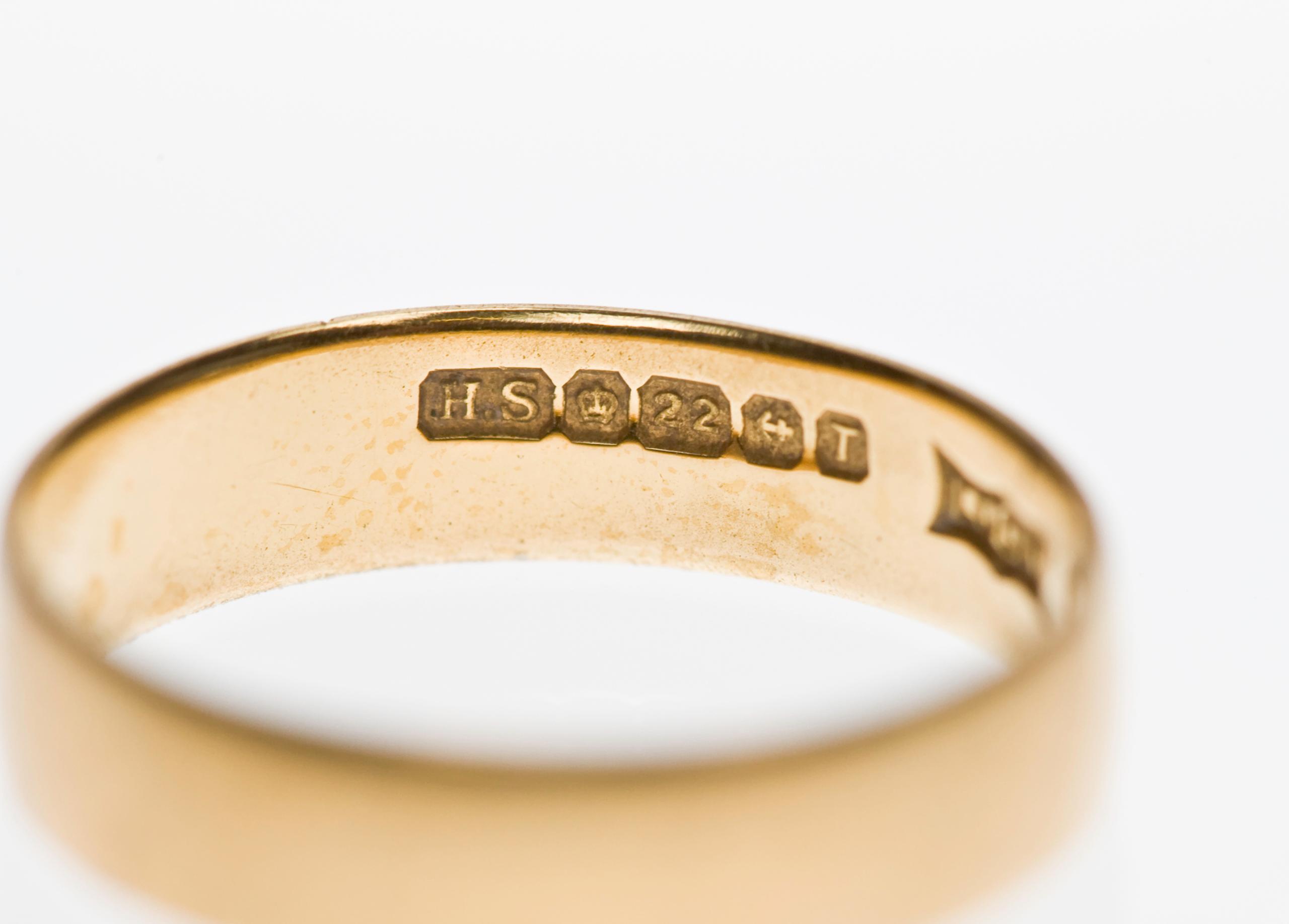
A hallmark provides vital information about a piece’s metal and purity, helping buyers understand exactly what they are purchasing
Before buying jewellery, it is worth asking a few simple questions.
What is the main metal?
Is the piece solid gold, sterling silver, plated sterling silver or made from an alloy?
Is it hallmarked?
If the item is sold as precious metal and is above the relevant weight threshold, it should carry a legally recognised hallmark.
Is the colour part of the material or a surface finish?
Plating can be beautiful, but it is a surface finish. It may gradually wear depending on how often the piece is worn and how it is cared for.
How should it be cared for?
Perfume, lotions, swimming pools, sea water, cleaning products and abrasive polishing can all affect plated surfaces. A good retailer should give clear care guidance.
What am I paying for?
Jewellery can be worth buying for many reasons. Design, craftsmanship, sentiment, gemstones, brand, rarity and personal connection all matter. Precious metal content is one important part of the picture, but it is not the only one.
The future of jewellery is not a choice between fine jewellery and fashion jewellery.
There is room for solid gold heirlooms, recycled sterling silver, plated statement pieces, laboratory grown diamonds, alternative alloys and independent designers working with materials in imaginative ways.
What matters is honesty.
As gold and silver prices continue to shape the market, the brands that will earn the most trust will be those that make material information clear, accurate and easy to understand.
Customers do not need every piece to be solid gold.
They do need to know exactly what they are buying.
And in a jewellery market full of changing materials, rising prices and evolving expectations, that clarity may be more valuable than ever.
LEGOOCT 1, 2025
Block Gems: Why LEGO’s New Mineral Collection Is a Jewellery Lover’s Dream
LEGO’s new Mineral Collection isn’t just for collectors — it’s a colourful, display-worthy homage to the beauty of real gemstones, and a playful treat for jewellery lovers
READ MORE
HARRIER GLOBALFEB 20, 2026
Escalating Threats to the Jewellery Sector — A Conversation with Jeff Hill of Harrier Global
Security expert Jeff Hill reveals how jewellery crime has evolved — and why layered protection is now essential
READ MORE
JEWELSSEP 5, 2026
Beyond the Jewellery Box: How Howden Approaches Jewellery Insurance at Every Stage
Howden approaches jewellery insurance from both sides, arranging specialist cover for private collectors and businesses throughout the jewellery trade
READ MORE


0 Comments
You must be logged in to comment. Click here to login.