






Don't miss a gem
A new pavilion for vintage jewellery and pre-owned watches signals that provenance, authentication and resale now belong inside the industry’s future
INHORGENTA Vintage will bring dealers, collectors and independent experts together in Munich. Its significance is what it says about the growing importance of trust in the secondary market
Vintage jewellery has spent years moving from the edges of the market towards its centre. Auction houses have expanded their online reach, dealers have built global audiences through social media and clients increasingly understand that the most interesting piece in a room may be the one with a life behind it. Now one of Europe’s leading jewellery fairs is giving that movement a platform of its own.
INHORGENTA Vintage will make its debut at Messe München from 19 to 22 February 2027, running alongside the main INHORGENTA fair in the adjoining Hall B0. Dedicated to vintage and antique jewellery, pre-owned jewellery and watches, the pavilion will welcome collectors, enthusiasts and consumers interested in buying, while INHORGENTA itself remains a business-to-business event for the specialist trade. That distinction matters, but so does the decision to place the two worlds next door to one another.
The launch is easy to frame as an additional hall, yet it represents something much more consequential. A major international trade fair is recognising that the secondary market is no longer a specialist footnote to the new-jewellery business. It is becoming part of the way clients discover, understand and build collections.
That shift is being driven by several desires at once. Some buyers are attracted to design periods that cannot be recreated convincingly. Others want signed pieces, rare references, discontinued collections or jewellery made with a density of workmanship that would be difficult to reproduce at today’s costs. Younger collectors may arrive through fashion, watches or the search for something visibly individual rather than through the traditional fine-jewellery route.
INHORGENTA’s scale gives the decision weight. Its 2026 edition brought together around 900 exhibitors, 1,200 brands and 25,000 trade visitors from 94 countries. A new pavilion attached to an event of that size does not create the vintage market, but it validates its place within the wider jewellery economy.
The confirmed line-up already reflects the international nature of that economy. German exhibitors include Eppli, Juwelier Der Goldschmidt, Juwelier Herwig Müller, Leeb Schmuck, Roemer Jewels and Sabine Füchter. They will be joined by Italian businesses including Art Deco Bijoux, Costruendo, E.L.A. Antichità and Luise Gioielli, as well as Huijbrechts from the Netherlands.
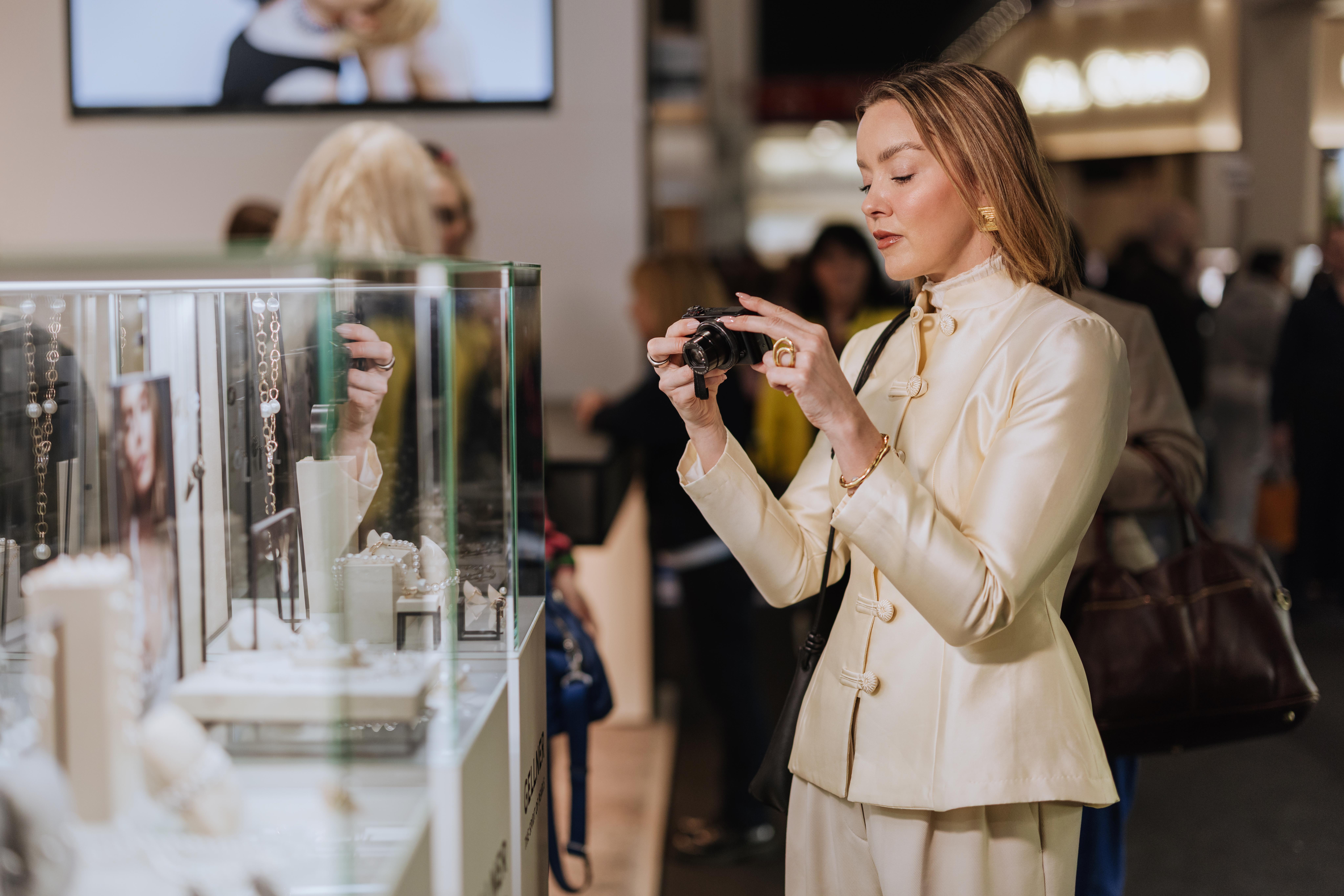
A visitor photographs jewellery during the Influencer Walk at INHORGENTA 2026. Photo: Messe München
INHORGENTA Vintage will sit beside the trade fair rather than simply becoming another section within it. This allows the organiser to invite collectors and buying consumers into a dedicated environment without changing the professional status of the core event.
That could prove to be a clever piece of positioning. The jewellery trade and the collecting public need one another, but they do not always want the same experience. Retailers and brands use a trade fair to place orders, meet suppliers and hold commercial conversations. A private collector wants time to look closely, compare objects, ask questions and potentially buy one exceptional piece.
Hall B0 can therefore operate as a bridge without pretending those audiences are identical. Dealers gain access to a concentrated group of buyers, collectors gain a reason to visit Munich and trade visitors can observe how clients respond to provenance, rarity and value in real time.
The success of that bridge will depend on more than footfall. Clear admission arrangements, strong curation and a visible standard of disclosure will determine whether the pavilion feels like an authoritative collecting event or simply a gathering of sales stands.
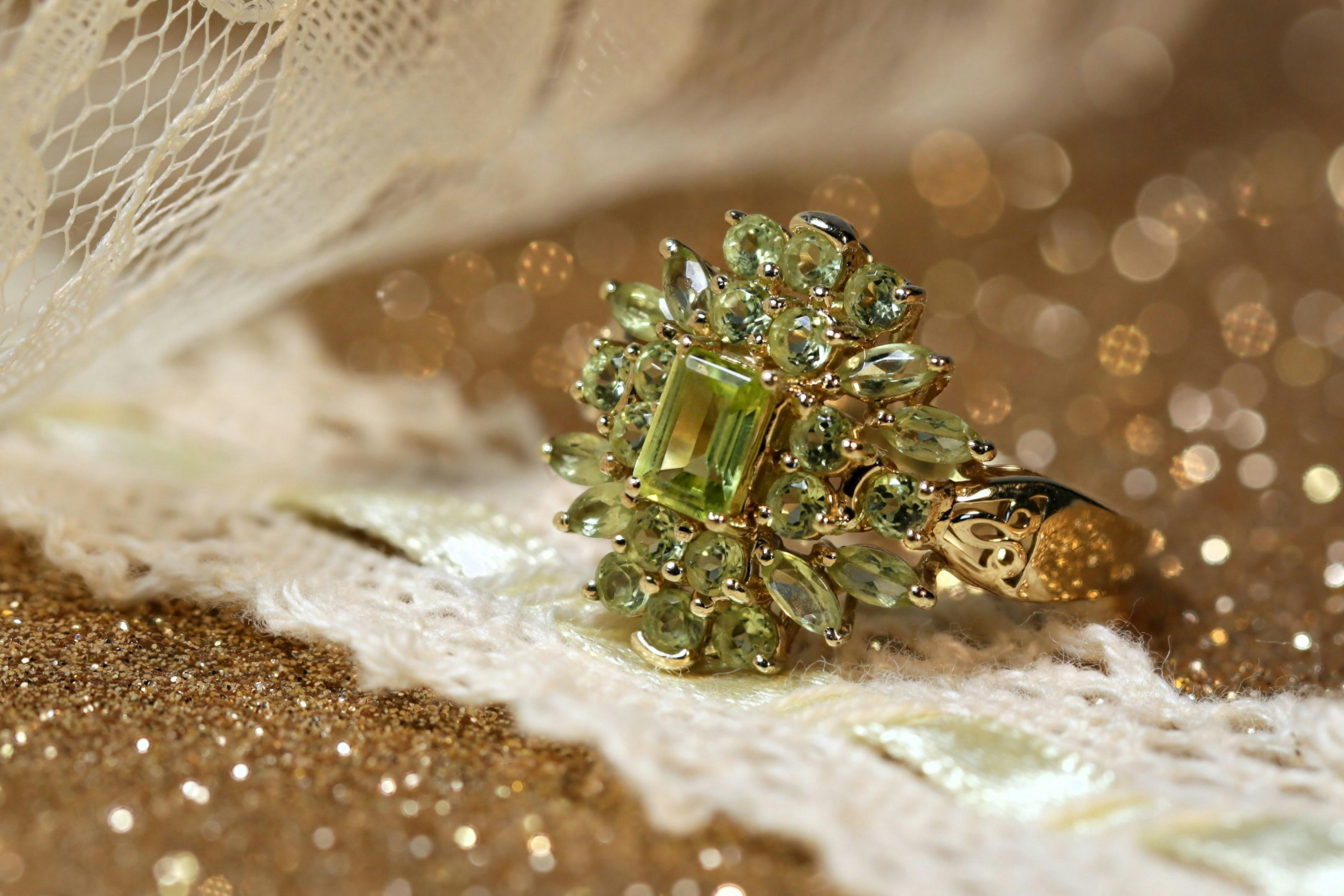
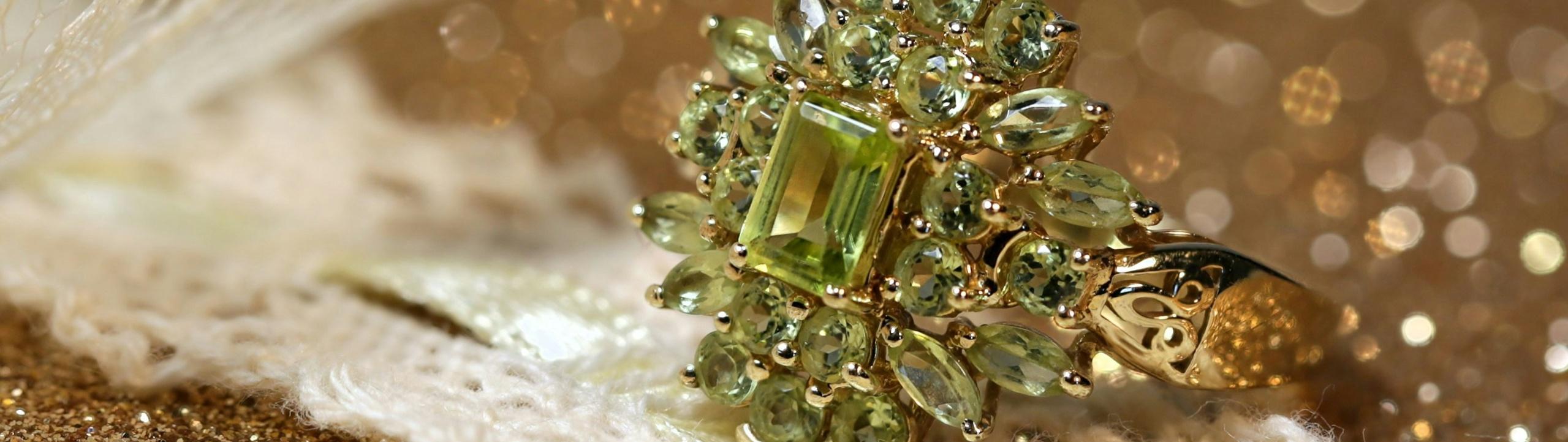
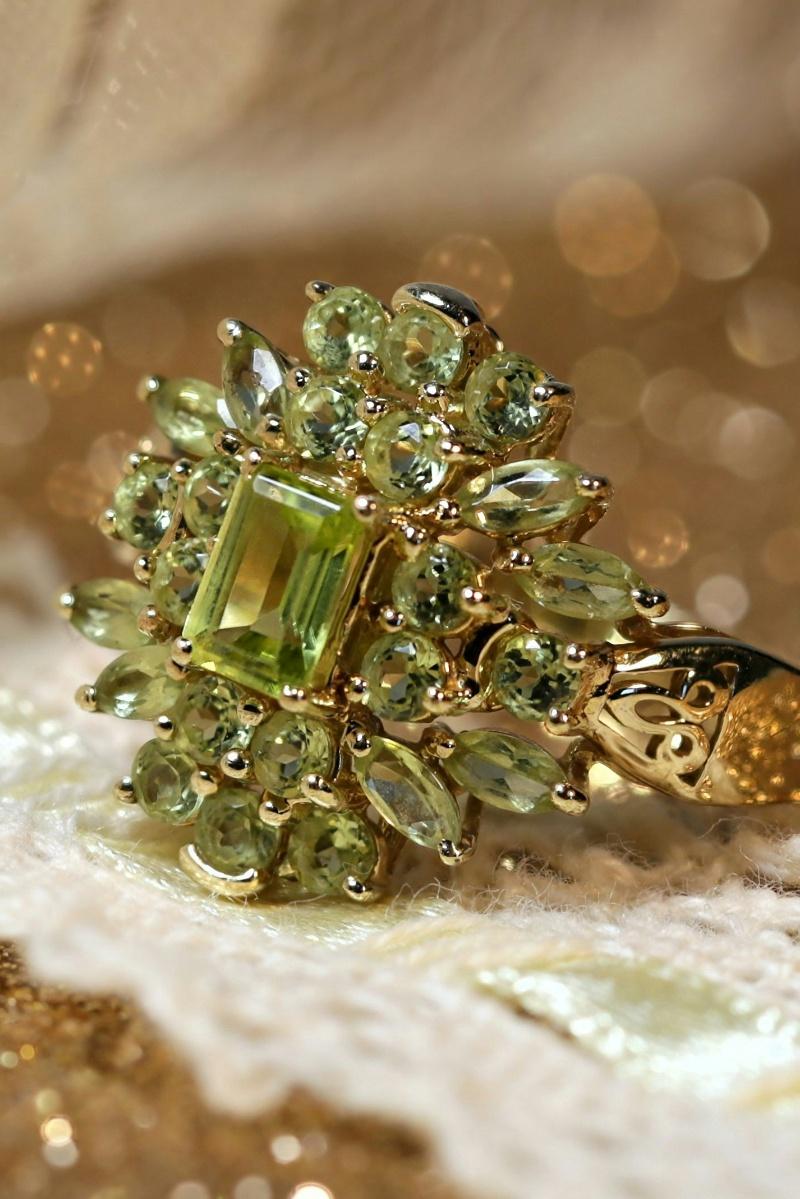
A gold ring set with an emerald-cut centre stone and a cluster of pale green gemstones. Photo: Gary Yost via Unsplash
The most important part of the announcement may not be the exhibitor list. It is the presence of independent expertise.
Art historian, gemmologist and jewellery specialist Dr Heide Rezepa-Zabel will offer valuations on several days, with short appointments available to book in advance. Gemmological knowledge will also come from Dr Tom Stephan of the German Gemmological Association and Dr Claudio Milisenda of the German Foundation for Gemstone Research. Josef M. Stadl of the German Society for Chronometry and watch specialist Stefan Friesenegger will contribute expertise on timepieces.
This gives the pavilion something the online resale market often struggles to provide: context, scrutiny and accountable human judgement. A photograph can show the front of a jewel, but it may not reveal a replaced clasp, later stones, an altered mount, a repaired enamel panel or a signature that does not belong there. Condition reports and laboratory testing help, but experience remains essential when an object has passed through several hands and perhaps several generations.
The release emphasises provenance, material, workmanship and condition as the factors that determine quality and value. That is exactly the conversation the category needs. Trust is not an extra service attached to the secondary market. It is its infrastructure.
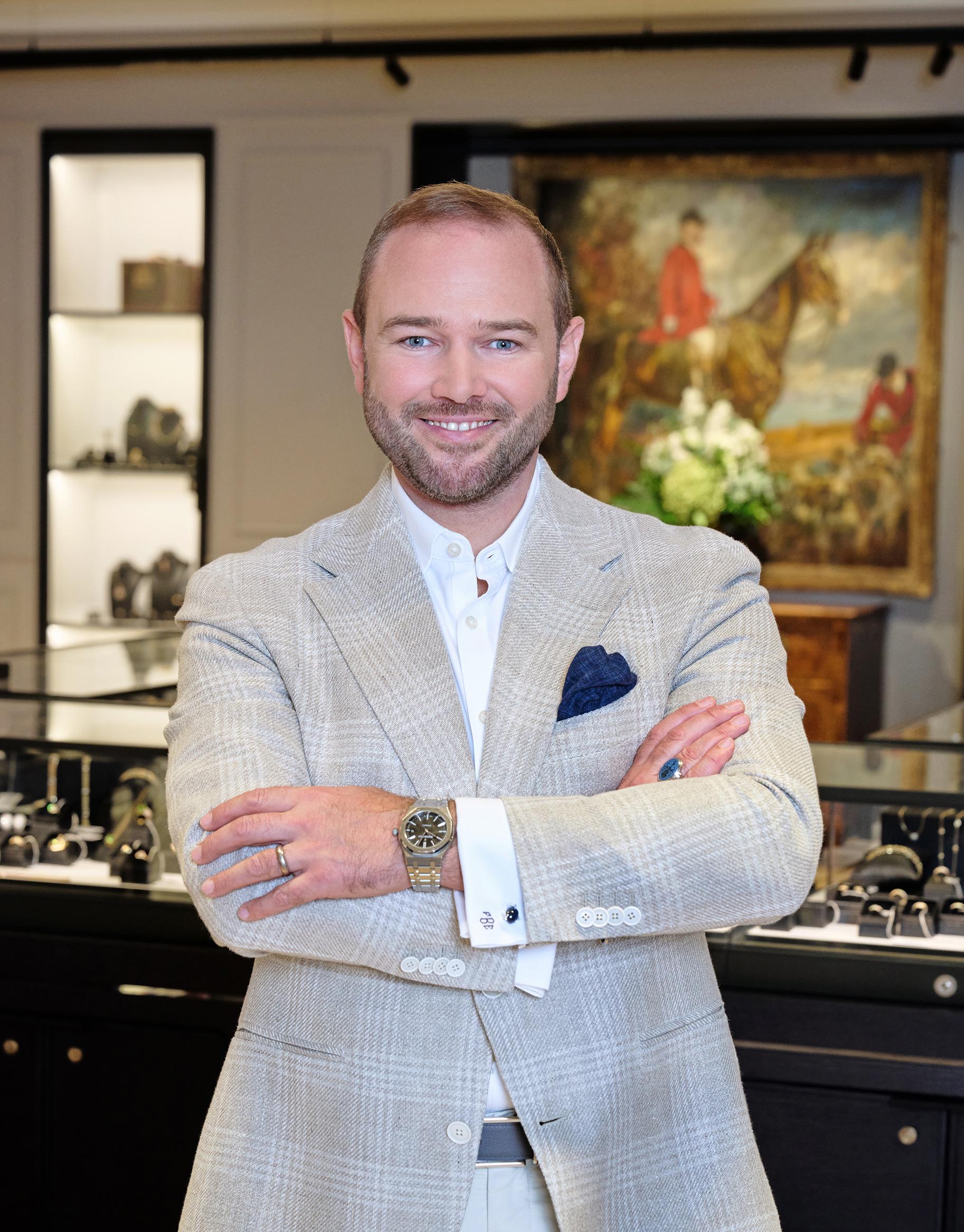
Ferdinand Eppli of the Stuttgart auction house and pre-owned specialist Eppli. Photo courtesy of Eppli.
Provenance has become one of jewellery’s favourite words because it gives an object a narrative. Used properly, it can establish where a piece came from, when it was made and how it moved through the world. Used carelessly, it can become little more than atmosphere.
A credible vintage platform should encourage evidence rather than romance alone. Maker’s marks, hallmarks, original invoices, archive references, prior auction records, period photographs and documented ownership can all strengthen an attribution. Where the history is uncertain, that uncertainty should be stated plainly.
Terminology deserves the same discipline. Antique, vintage, period, signed, attributed to and in the style of do not mean the same thing. Nor does pre-owned automatically mean rare. If INHORGENTA Vintage establishes consistent expectations around description and disclosure, it could educate buyers as well as serve them.
That educational role is particularly valuable for new collectors. Confidence grows when people understand what they are looking at, why two apparently similar objects carry very different prices and which questions to ask before buying. The best dealers do this already. A well-curated fair can make that culture visible at scale.
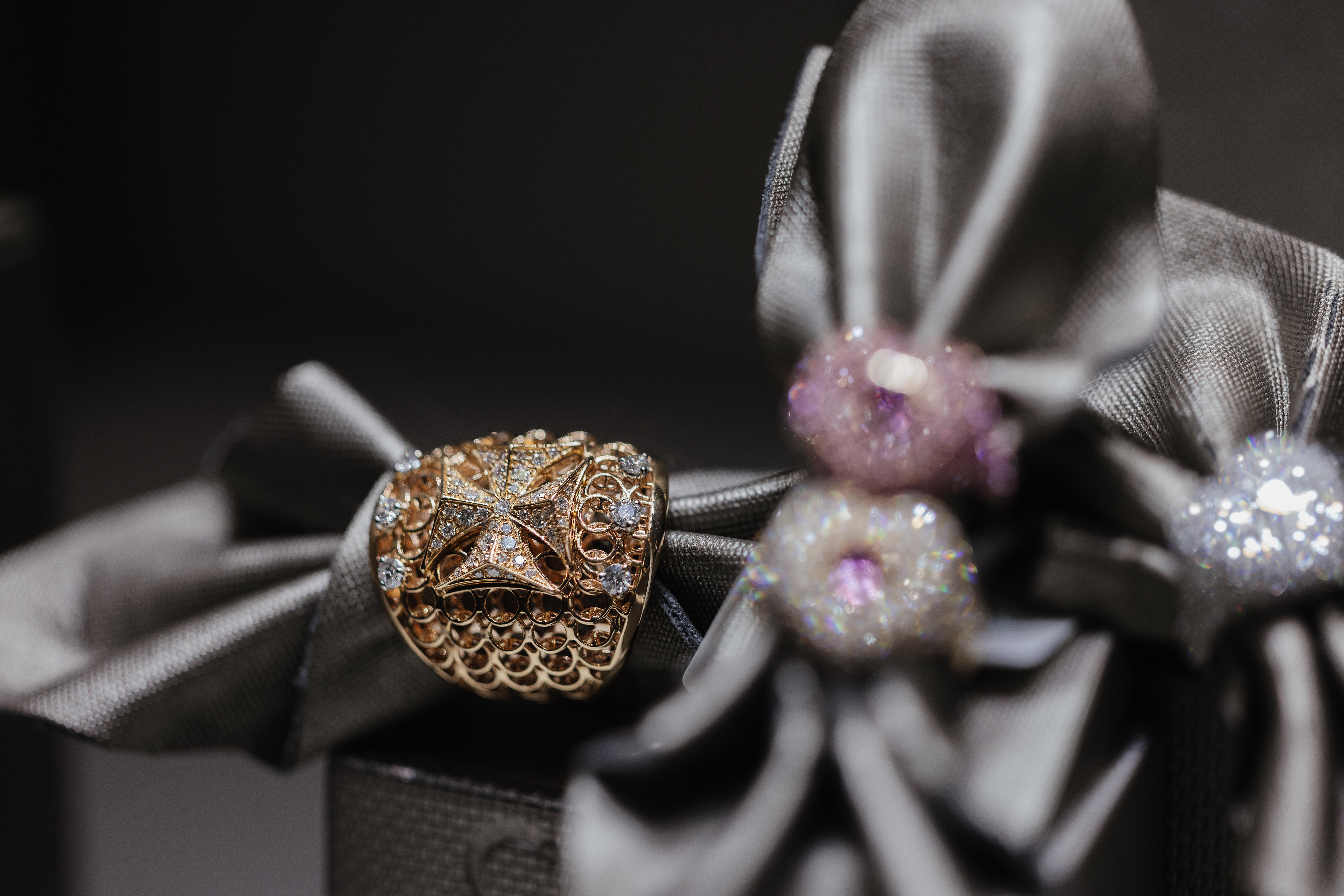
An ornate gold openwork ring displayed at INHORGENTA 2026. Photo: Messe München
Traditional jewellers have sometimes treated the pre-owned market as a competitor, but clients rarely divide their jewellery lives so neatly. The same person may commission a new engagement ring, inherit a Victorian brooch, buy a 1970s signed necklace and later trade a watch towards another purchase.
Retailers who can support that whole journey have more opportunities to build lasting relationships. Valuation, repair, restoration, remodelling, trade-in and estate jewellery can bring clients back through the door at moments when they are not shopping for something newly made. They also give the jeweller a reason to discuss craftsmanship and value in a way that a product page cannot.
The pavilion may therefore be useful even to businesses with no intention of becoming vintage dealers. It offers a concentrated view of what is being collected, which periods are attracting attention and how specialists present condition and provenance. It may also prompt more retailers to form partnerships with valuers, auction houses, gemmologists and restoration workshops.
For contemporary brands, the lesson is not that everything old is automatically better. It is that clients are paying attention to longevity. Jewellery that can be repaired, documented, authenticated and understood decades from now has a stronger chance of entering the secondary market with its identity intact.

Jewellery expert, art historian and gemmologist Dr Heide Rezepa-Zabel, who will offer valuations at INHORGENTA Vintage. Photo courtesy of Dr Heide Rezepa-Zabel
INHORGENTA positions the category partly through sustainability, and there is a credible argument behind that claim. Keeping a well-made jewel or watch in circulation extends its useful life and values the labour and material already invested in it. Buying an existing object can also resist the assumption that luxury must always begin with something newly produced.
Yet vintage should not be given an automatic green halo. Objects travel, displays consume resources, restoration can involve replacement materials and environmental impact cannot be understood through age alone. Sustainability is most convincing when it is tied to durability, repair, responsible restoration and transparent information rather than used as a broad promotional label.
The secondary market’s strongest contribution may be cultural as much as environmental. It teaches owners to see jewellery as something capable of surviving changing tastes, changing hands and changing generations. That is a useful corrective in a retail culture built around constant novelty.
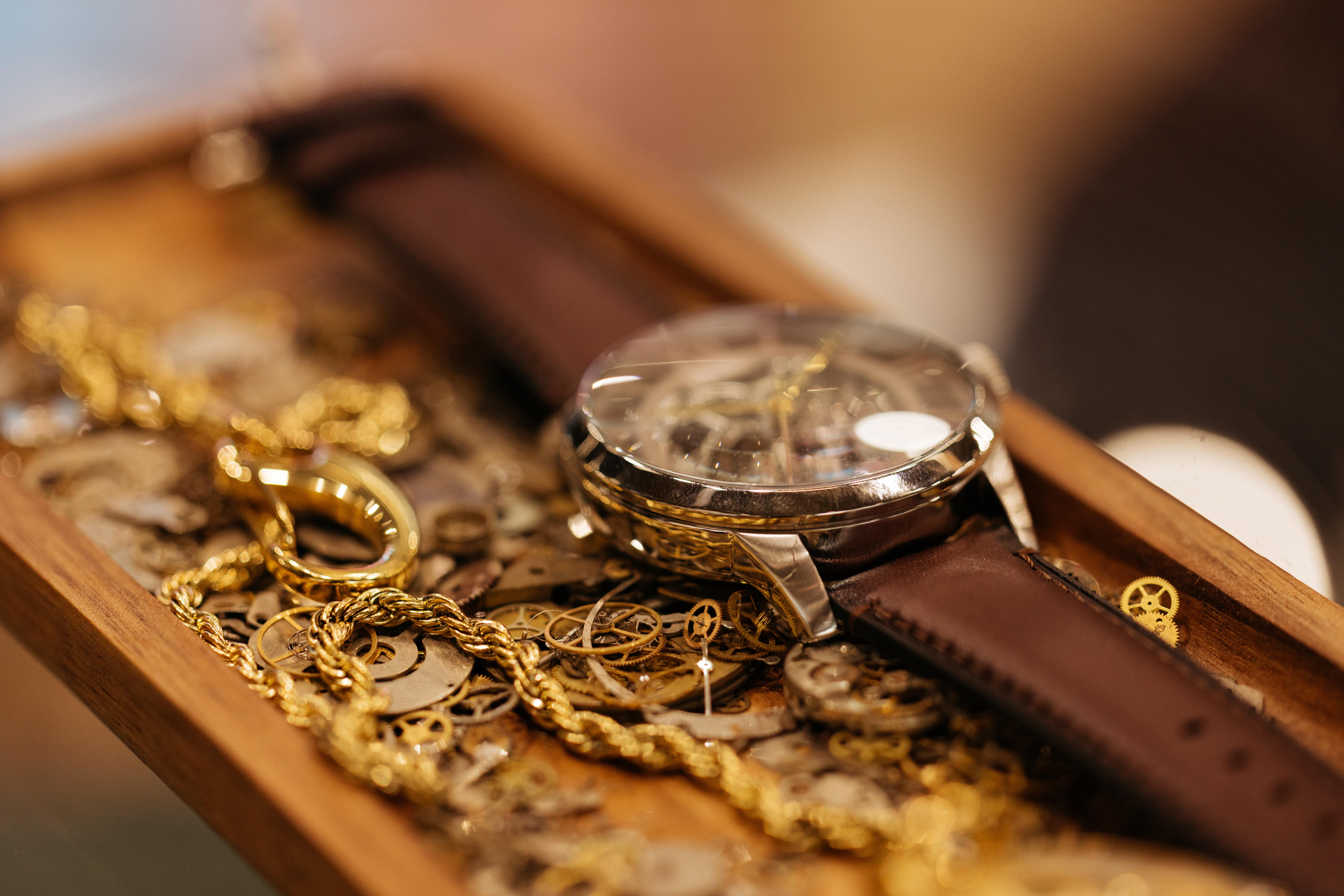
A vintage watch, gold chain and watchmaking components displayed at INHORGENTA 2026. Photo: Messe München
Roemer Jewels describes signed vintage jewellery as increasingly collectible and comparable to art, “except that you can wear this value.” It is an appealing idea, and the best pieces can certainly combine rarity, design importance and material worth.
The language of investment still requires care. Jewellery prices do not move in a straight line, fashion affects demand and selling costs can be substantial. A famous name does not guarantee quality, while an excellent unsigned jewel may be overlooked because its story is harder to package.
Collectors should buy with knowledge and affection before assuming financial return. The pavilion’s experts can help make that distinction clear. Value is not only the figure attached to an object today; it is also the quality that makes somebody want to preserve it tomorrow.

Stefanie Mändlein, Exhibition Director of INHORGENTA, which will launch the new INHORGENTA Vintage pavilion in February 2027. Photo: Messe München
The obvious measures will be visitor numbers, sales and exhibitor demand for future editions. The more interesting measure will be whether INHORGENTA Vintage raises expectations across the market.
Will buyers leave better able to read a description and assess condition? Will exhibitors offer clear documentation and distinguish original elements from later interventions? Will retailers see pre-owned jewellery as a service opportunity rather than a threat? Will younger clients feel welcomed into collecting without being spoken down to?
Those questions matter because confidence can expand the market, while inconsistency can damage it quickly. A fair carries reputational authority even when each exhibitor remains responsible for its own stock. Curation, vetting and visible standards will therefore be central to the pavilion’s credibility.
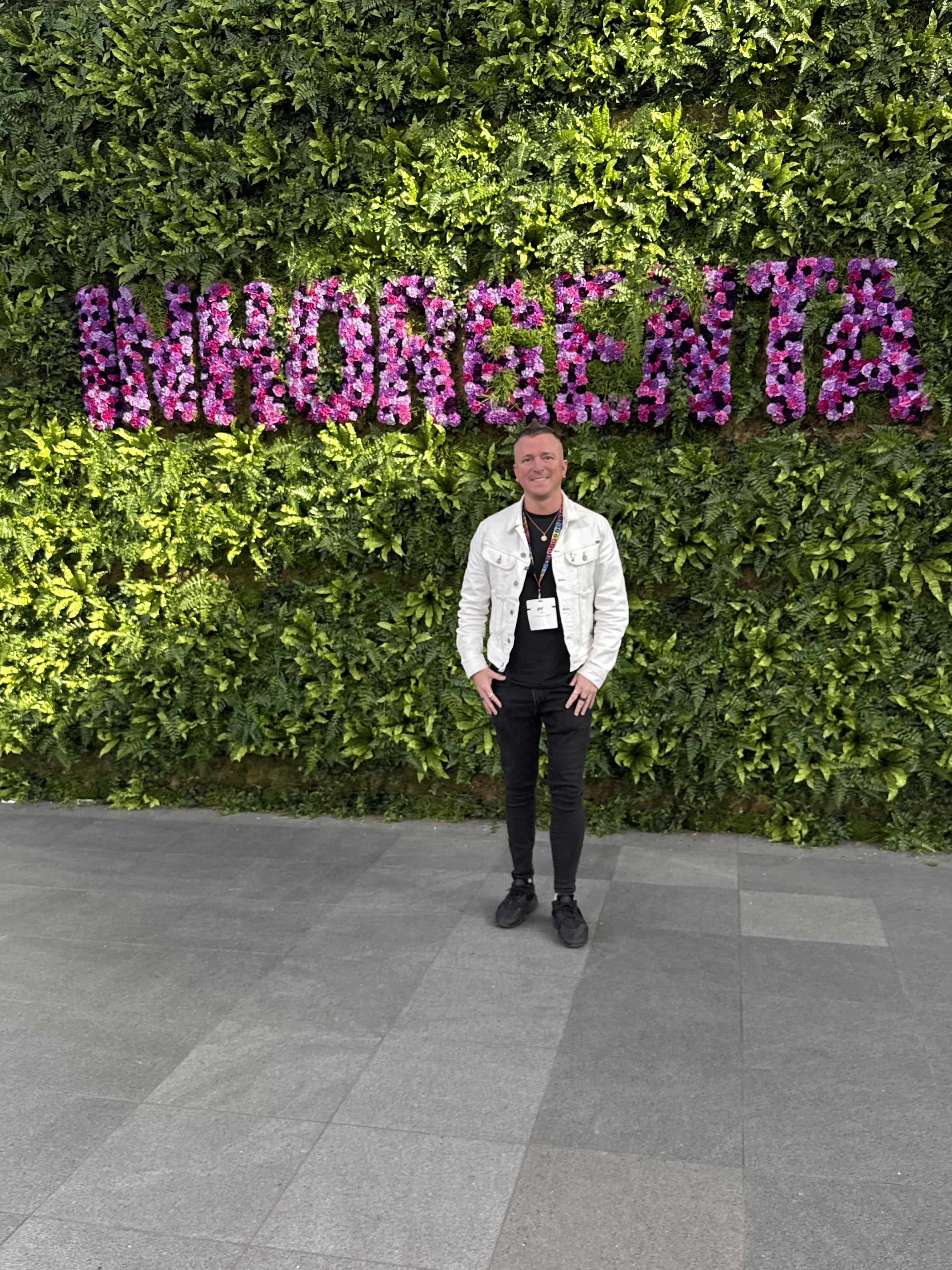
The Jewels Club founder Andrew Martyniuk at INHORGENTA in Munich in 2025
INHORGENTA Vintage is a smart and timely addition, but its importance lies less in the creation of another place to shop than in the decision to put knowledge beside commerce.
The secondary market is built on beautiful objects, but it runs on trust. Buyers need to know what a piece is, what has happened to it and why its price makes sense. Dealers need a setting that rewards expertise rather than speed, while the wider trade needs a better understanding of the value that remains in jewellery long after its first sale.
Keeping the consumer-focused pavilion adjacent to the professional fair could create a productive exchange between those worlds. It acknowledges that the future of jewellery is not divided into new and old. It is a continuous story in which contemporary pieces become tomorrow’s vintage, inherited jewels return to circulation and good design earns another life.
If INHORGENTA can combine strong curation, meaningful disclosure and accessible expertise, the 2027 premiere will do more than celebrate the past. It will show the industry how resale, repair, education and collecting can become part of a more mature jewellery culture.
INHORGENTA Vintage will take place in Hall B0 at Messe München from 19 to 22 February 2027, alongside the main INHORGENTA trade fair. Further event information is available from INHORGENTA.
INSIGHTSJUL 11, 2025
At the Emirates with GJEPC: India Brings Jewellery Power to London
India’s GJEPC brings 26 top jewellery manufacturers to London for a focused Buyer-Seller Meet at Emirates Stadium —The Jewels Club was there.
READ MORE
JEWELSJUL 28, 2025
Get Stoned (Legally): The Gem Fair That Rocks
Get Stoned heads to Bristol this September with a curated lineup of gem dealers, educators and lapidaries — strictly for the jewellery trade
READ MOREINSIGHTSAUG 27, 2026
Why Vicenzaoro’s New Hall Is About More Than Space
Vicenzaoro’s new Hall Two brings design, production and technology closer together, reflecting a jewellery industry that needs stronger connections
READ MORE