






Don't miss a gem
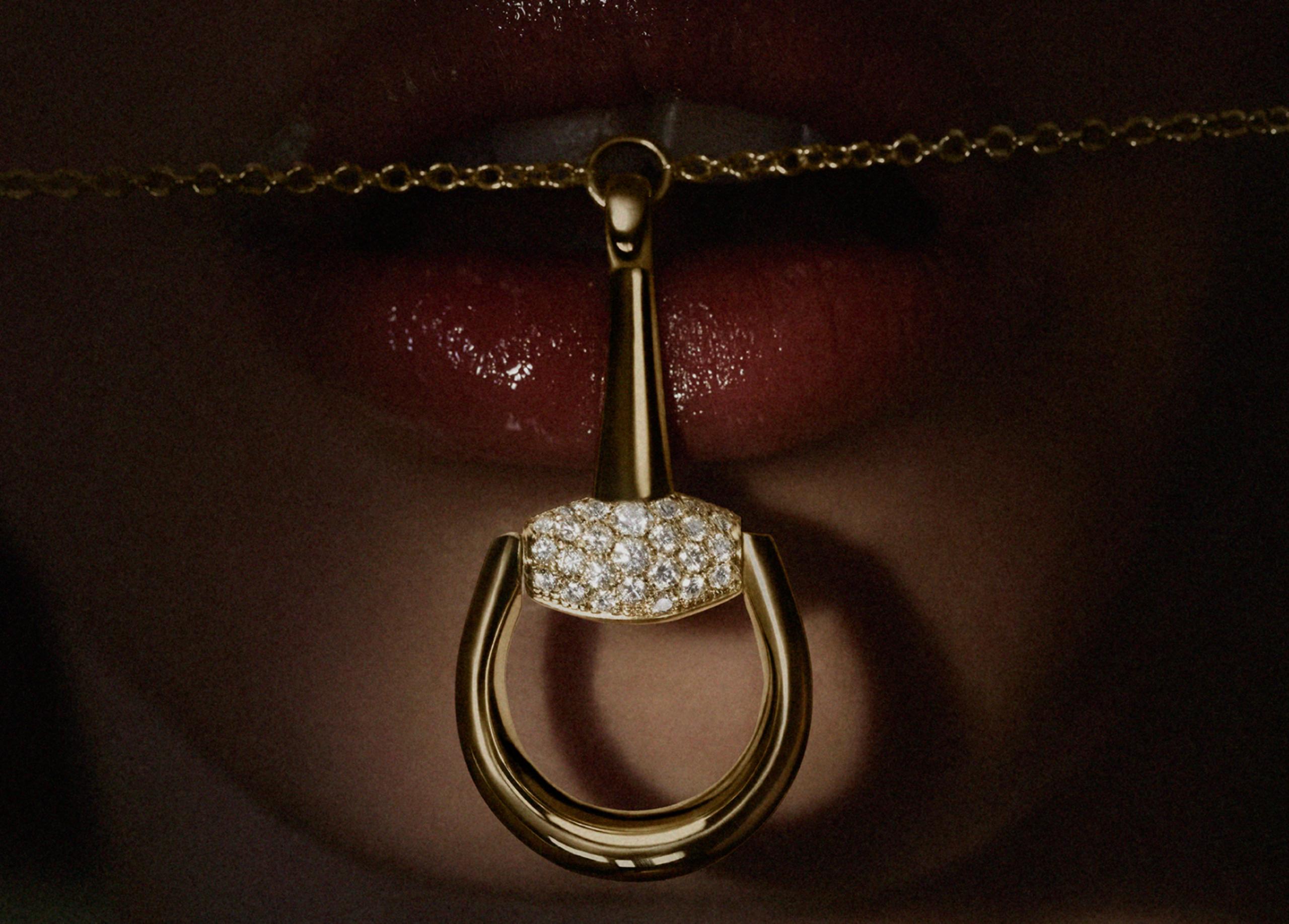
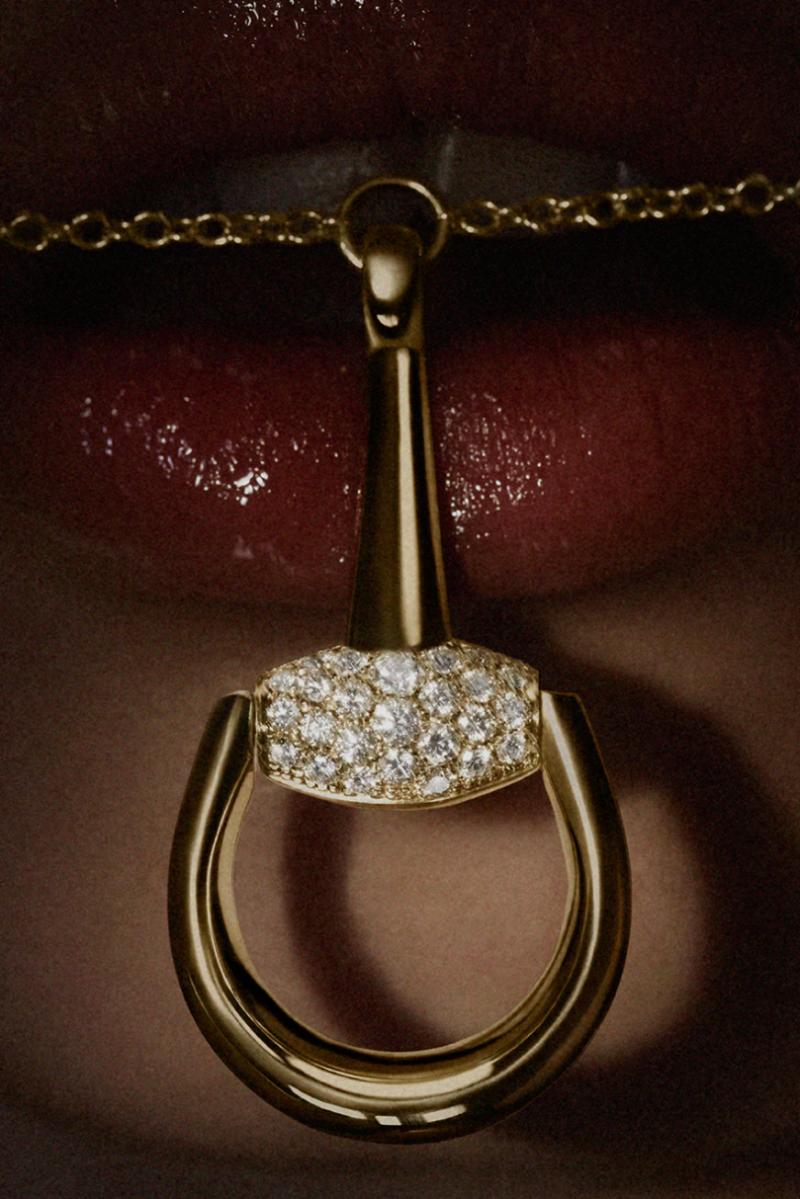
Gucci’s equestrian emblem returns in new gold, diamond and steel creations, proving that the Horsebit works as structure, not simply signature
New Horsebit necklaces, rings, bracelets and a steel watch turn one of Gucci’s most recognisable house codes into modern, wearable sculpture

Few fashion symbols have travelled as confidently as Gucci’s Horsebit. It has crossed decades, materials and categories without surrendering its identity. Now, a new collection of fine jewellery and watches asks us to look beyond its familiarity and appreciate the intelligence of the form itself.
Rendered in polished gold, illuminated with diamonds and articulated through interlocking links, the latest pieces reveal an emblem capable of doing far more than declaring its provenance. The Horsebit becomes the jewellery’s architecture.
The Horsebit began with the practical anatomy of a bridle: a central bar held between two curved rings. Gucci introduced the equestrian reference during the 1940s, when the motif appeared in an artisan’s notebook and connected the Florentine house with the sporting world of its early clientele.
Its cultural breakthrough came in the 1950s, when the metal fitting appeared across Gucci’s now-famous loafers. Bags followed, while bracelets and watches adopted the emblem during the 1970s. Horsebit fine jewellery formally arrived in 2004, giving the motif a new vocabulary in precious metal.
That history matters, but the new collection does not depend upon nostalgia. Gucci’s most persuasive decision is to treat the Horsebit as a working design component rather than an archival ornament placed on top of an otherwise conventional jewel.
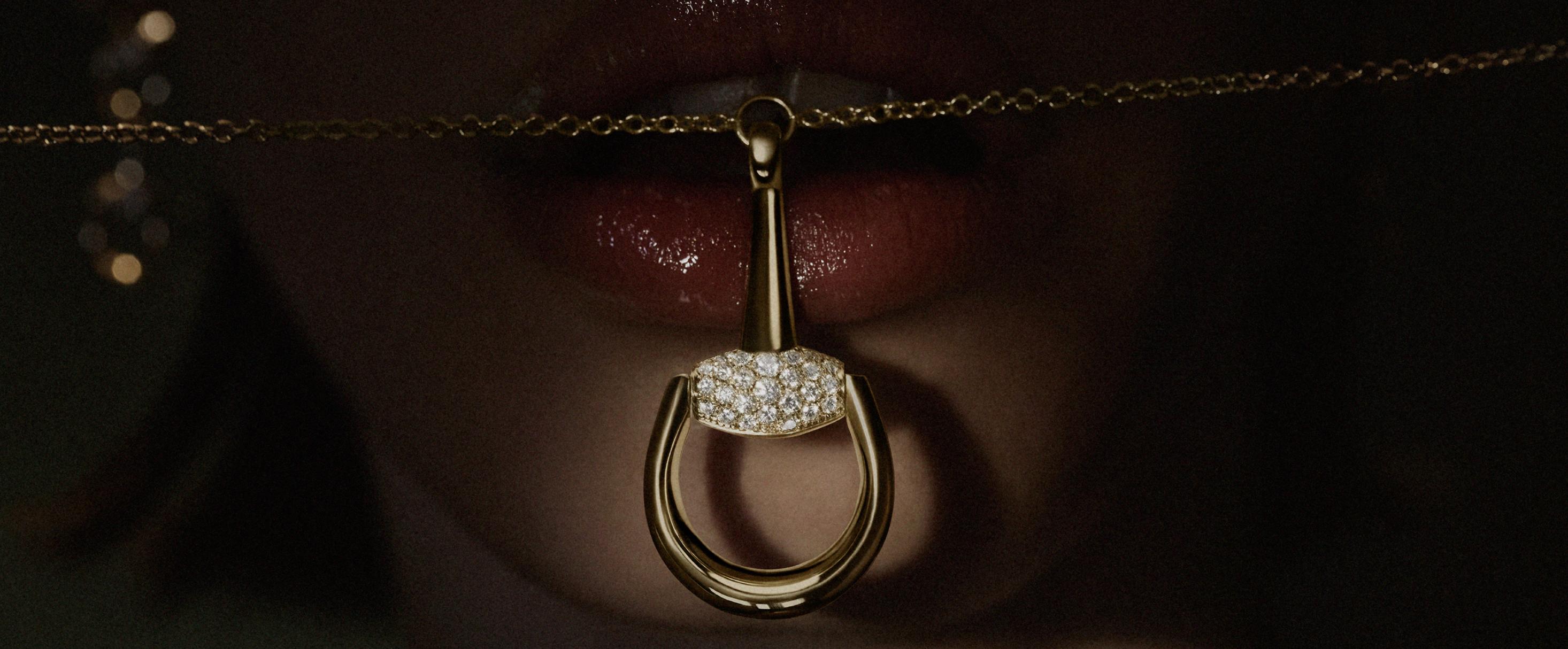
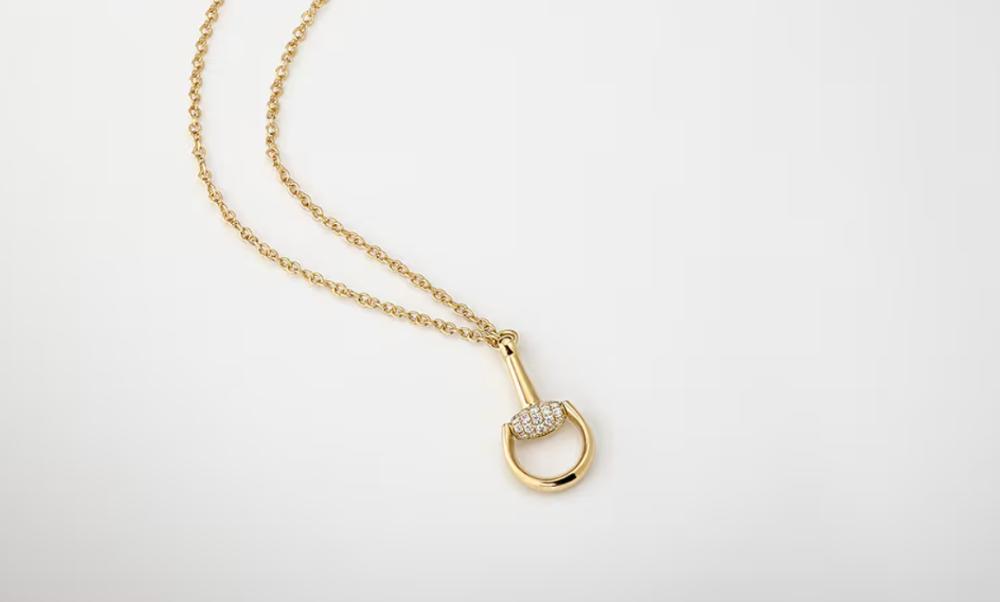
Gucci’s diamond-set Horsebit pendant transforms the house’s equestrian emblem into a bold, sculptural jewel in polished yellow gold. Photography: Carlijn Jacobs, courtesy of Gucci
The Horsebit possesses a rare graphic balance. Its central bar creates direction, while the curved terminals introduce softness and repetition. Join several together and the emblem becomes a chain; isolate one and it becomes a pendant; bend or separate its two sides and it can follow the contours of a finger or wrist.
This adaptability is explored across new necklaces, rings and bracelets. A yellow-gold chain necklace turns the motif into a continuous sequence, giving the piece rhythm without requiring conventional links. Diamond-set pendants in yellow and white gold offer a more concentrated interpretation, allowing the familiar outline to sit alone against the skin.
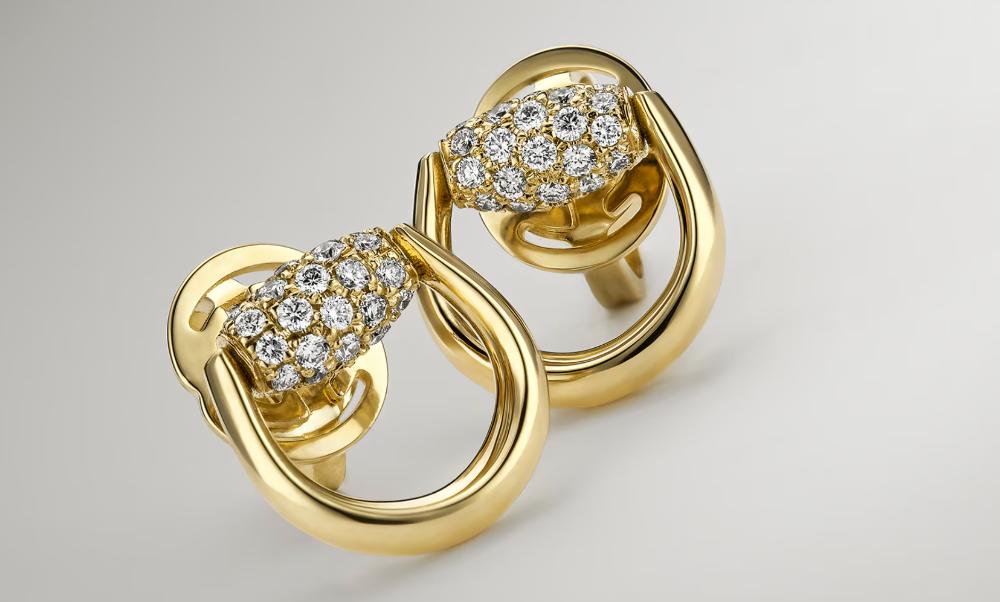
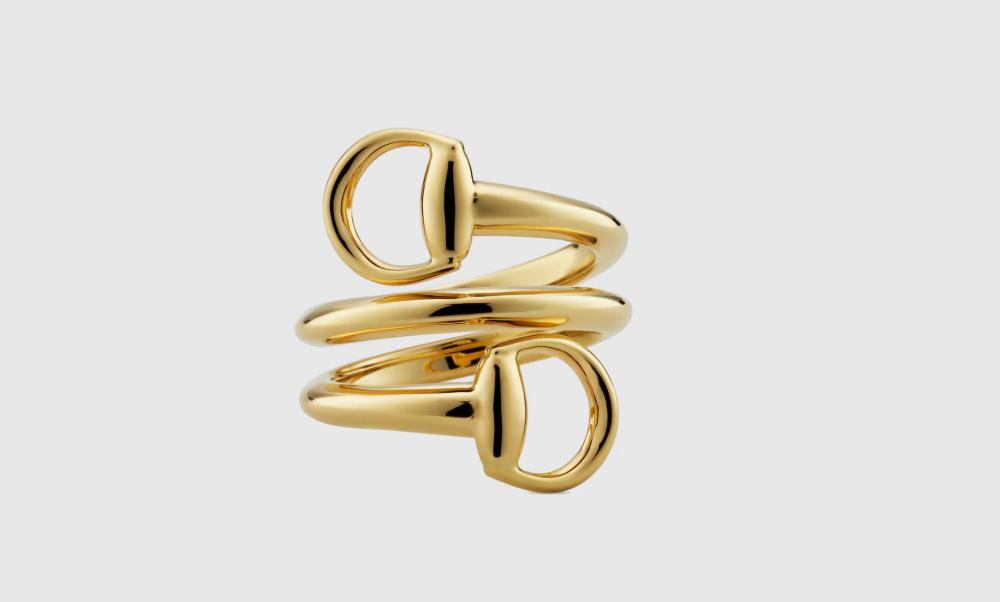
The new contrarié rings are particularly effective. Rather than closing into a predictable circle, their opposing ends allow the Horsebit to appear in motion. Diamonds sharpen the contrast between the motif’s polished curves and its equestrian origins.
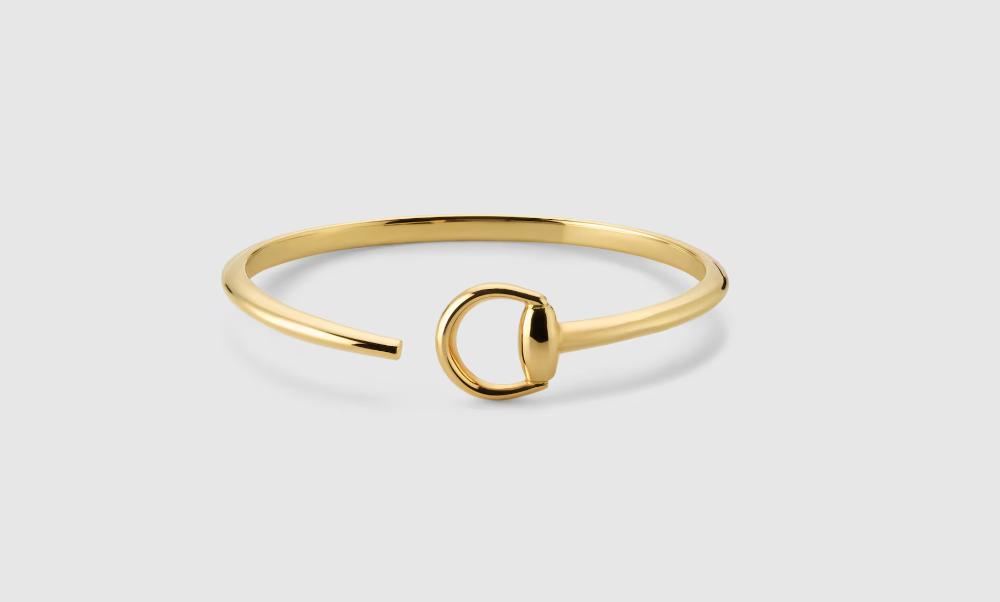
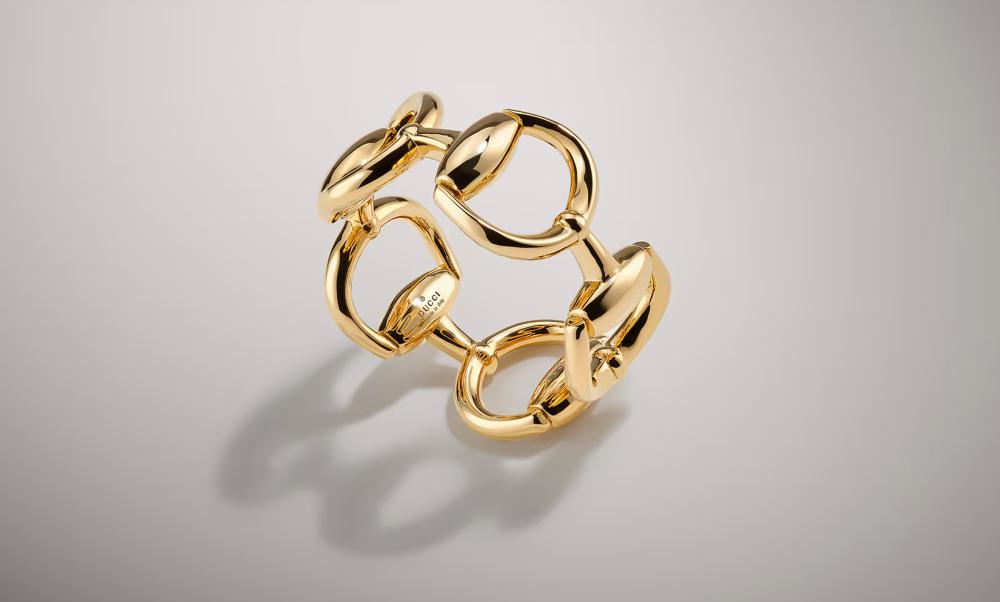
Across the wrist, Gucci moves between fluidity and firmness. A yellow-gold chain bracelet set with diamonds emphasises articulation, while sculptural bangles are offered in two sizes. One is enriched with diamonds; the other relies on the clarity of polished yellow gold.
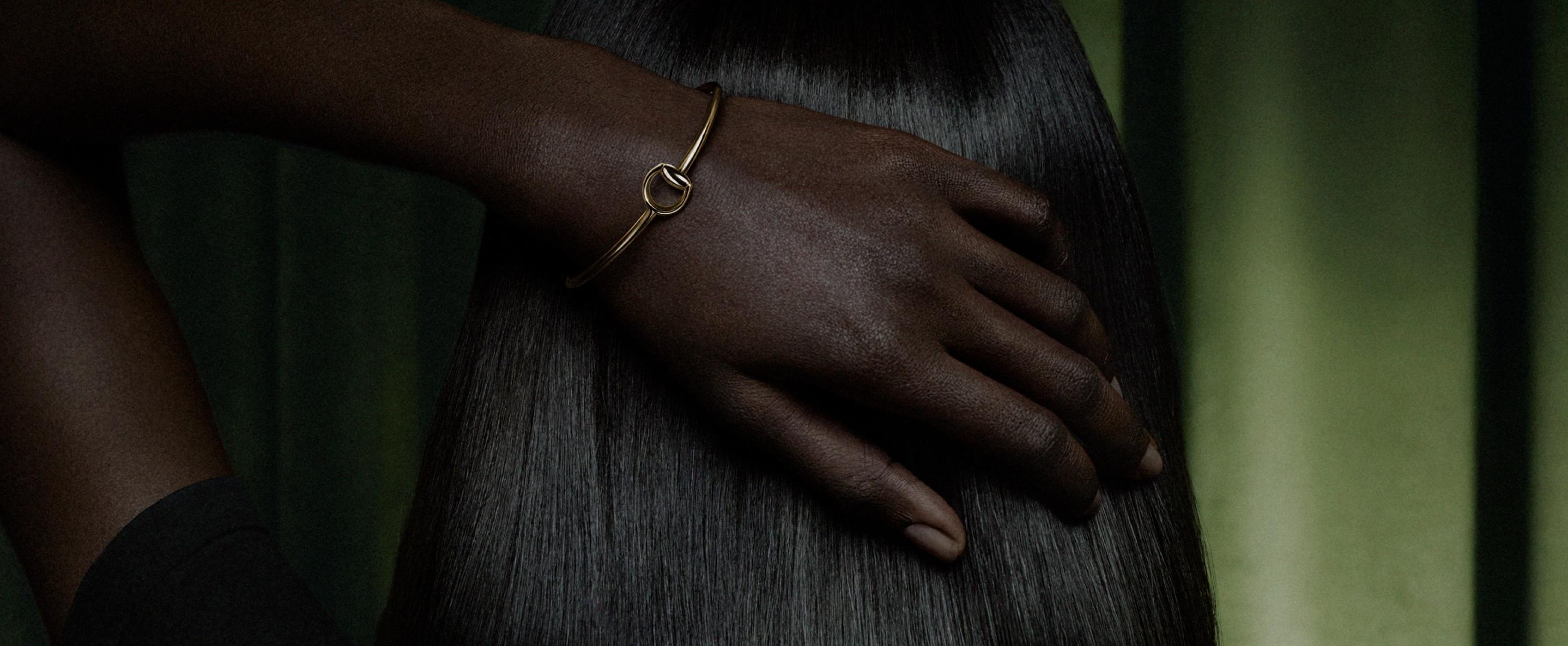
A streamlined yellow-gold Gucci Horsebit bangle follows the wrist with quiet, sculptural precision. Photography: Carlijn Jacobs, courtesy of Gucci
These are recognisable Gucci jewels, but they are not overwhelmed by branding. The strongest designs leave enough space around the motif for its proportions to register.
Yellow gold brings warmth and historical resonance, recalling the hardware that helped establish the Horsebit as a fashion signature. White gold and diamonds shift it into a cooler, more graphic register. The contrast shows how effectively the design survives a change of material: its identity lies in the silhouette, not in a single colour or finish.
Gucci describes the collection as a reinterpretation of an enduring house code through refined gold and luminous diamonds. That language is accurate, but the appeal is more tactile than archival. These pieces invite movement. Links rotate, curves wrap around the body and diamonds interrupt expanses of polished metal with controlled flashes of light.
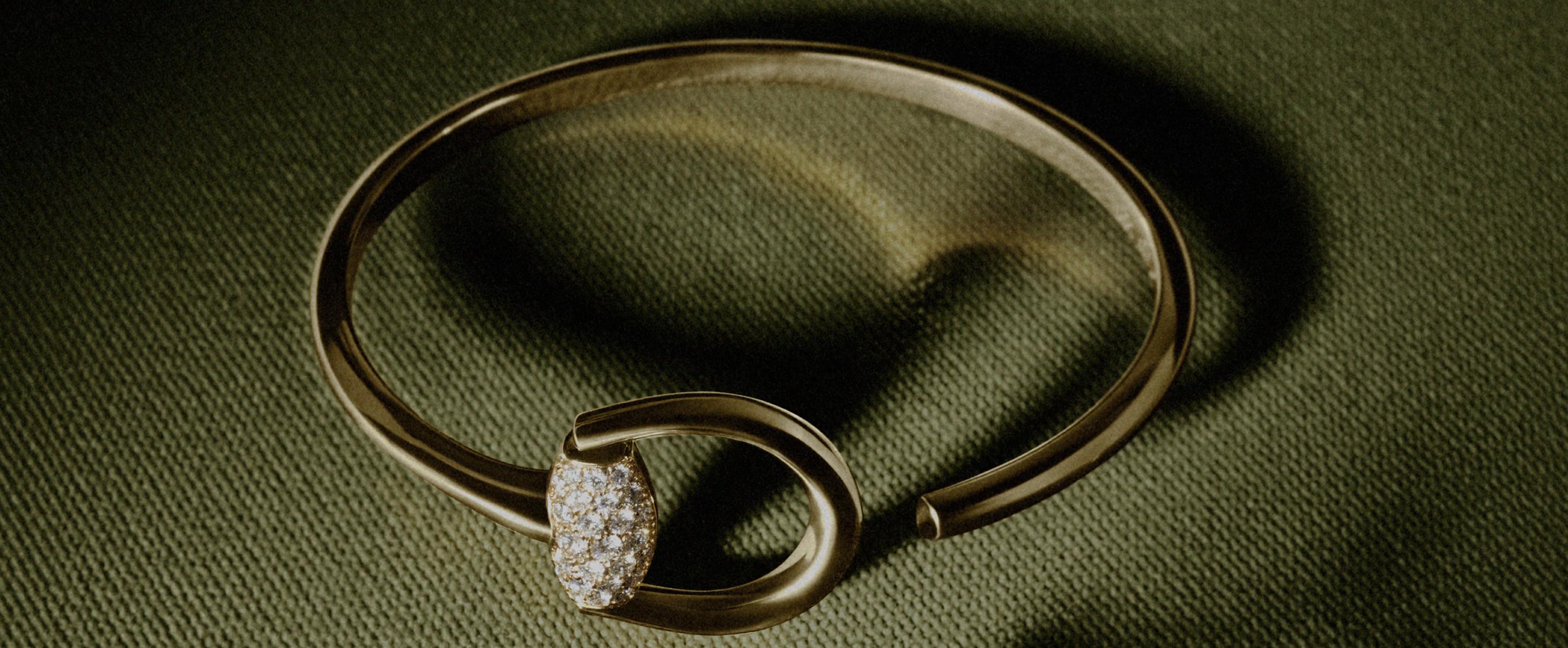
Gucci’s diamond-set yellow-gold Horsebit bangle enlarges the equestrian motif into a confident piece of wearable sculpture. Photography: Carlijn Jacobs, courtesy of Gucci
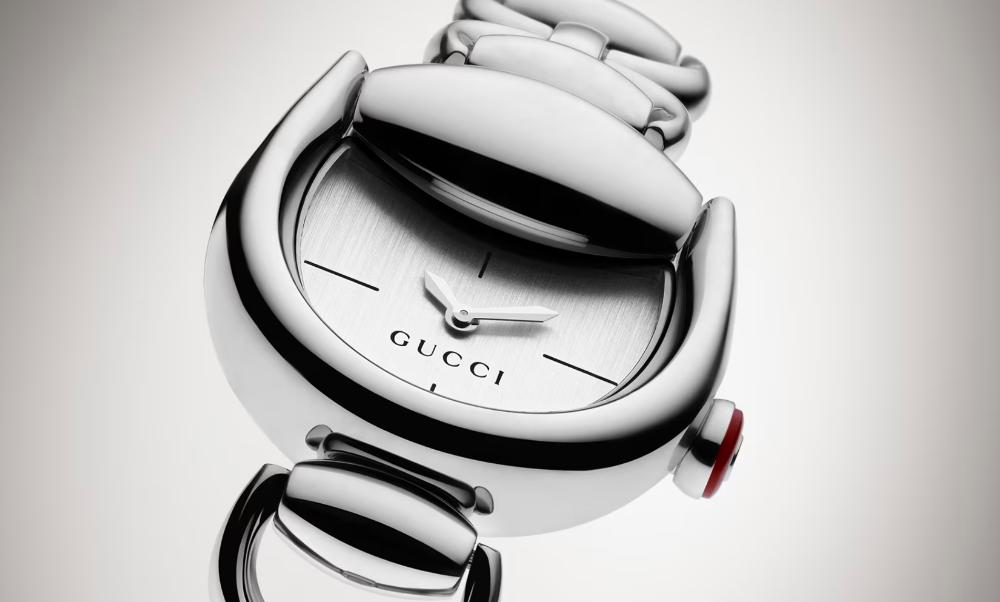
The collection extends into watchmaking with a new Horsebit timepiece combining a sculptural steel chain bracelet with a sleek silver dial.
Rather than attaching a decorative emblem to a conventional watch, Gucci uses the Horsebit to define the bracelet and, consequently, the character of the entire piece. The result sits somewhere between jewellery and timekeeping: understated at first glance, but instantly identifiable through its links.
It is a fitting evolution for a motif that appeared on Gucci watches during the 1970s. The new interpretation acknowledges that heritage while avoiding the appearance of a literal revival. Gucci presents the watch as a balance of heritage and modernity, with the signature chain bringing softness and ornament to the cool precision of steel.
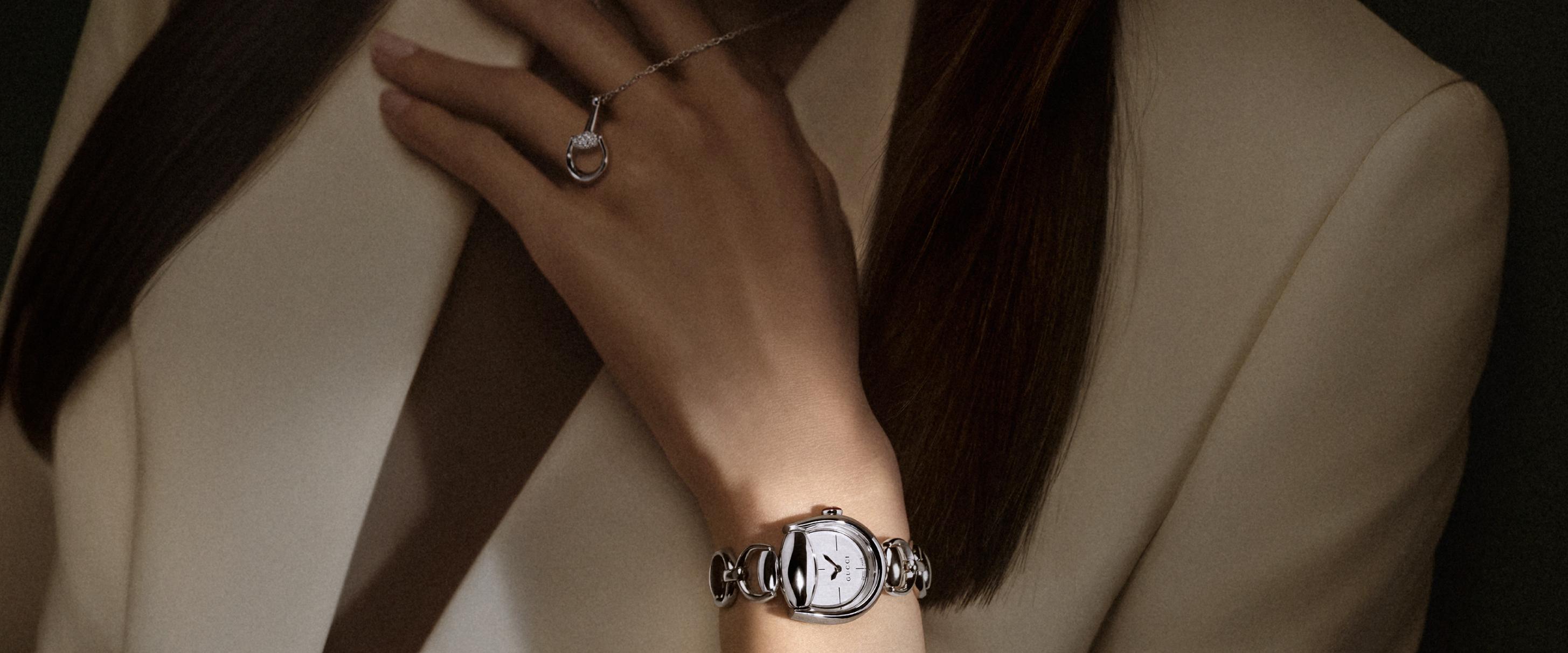
Gucci’s new Horsebit watch pairs a polished steel chain bracelet with a sleek silver dial, styled alongside a diamond-set white-gold Horsebit pendant. Photography: Carlijn Jacobs, courtesy of Gucci
Photographer Carlijn Jacobs captures the new collection through cinematic light and shadow. The campaign isolates the jewellery’s curves, allowing sections of gold and steel to emerge from darkness with almost surreal clarity.
It is a clever visual treatment for a symbol already deeply embedded in fashion memory. Rather than explain the Horsebit through heritage imagery, the campaign makes it feel graphic, intimate and contemporary. Familiarity becomes atmosphere.
The close framing also directs attention back to construction: the tension of the contrarié rings, the repetition of chain links and the contrast between polished surfaces and diamond pavé.
The most successful house codes do not remain static. They acquire meaning by changing scale, material and purpose while retaining a recognisable core.
Gucci’s latest Horsebit pieces succeed because they understand that distinction. This is not simply a logo translated into gold. The motif determines how the jewellery links, curves, opens and sits against the body. It provides both identity and engineering.
At a moment when heritage houses are returning repeatedly to their archives, the temptation is to mistake recognition for relevance. Gucci takes the more convincing route. It demonstrates why the Horsebit deserves to return: not only because audiences know it, but because it remains an unusually useful piece of design.
The collection’s quieter pieces may prove the most enduring. Without excessive scale or decoration, the Horsebit’s geometry has room to speak. These are jewels that carry unmistakable house identity, yet still leave space for the personality of their wearer.
That is the real test of an icon. It should be recognisable without becoming restrictive—and after nearly eight decades, the Horsebit is still moving forward.
Explore the new Gucci Horsebit fine jewellery and watches
Scroll the gallery below to see more
HIGH JEWELLERYAPR 22, 2026
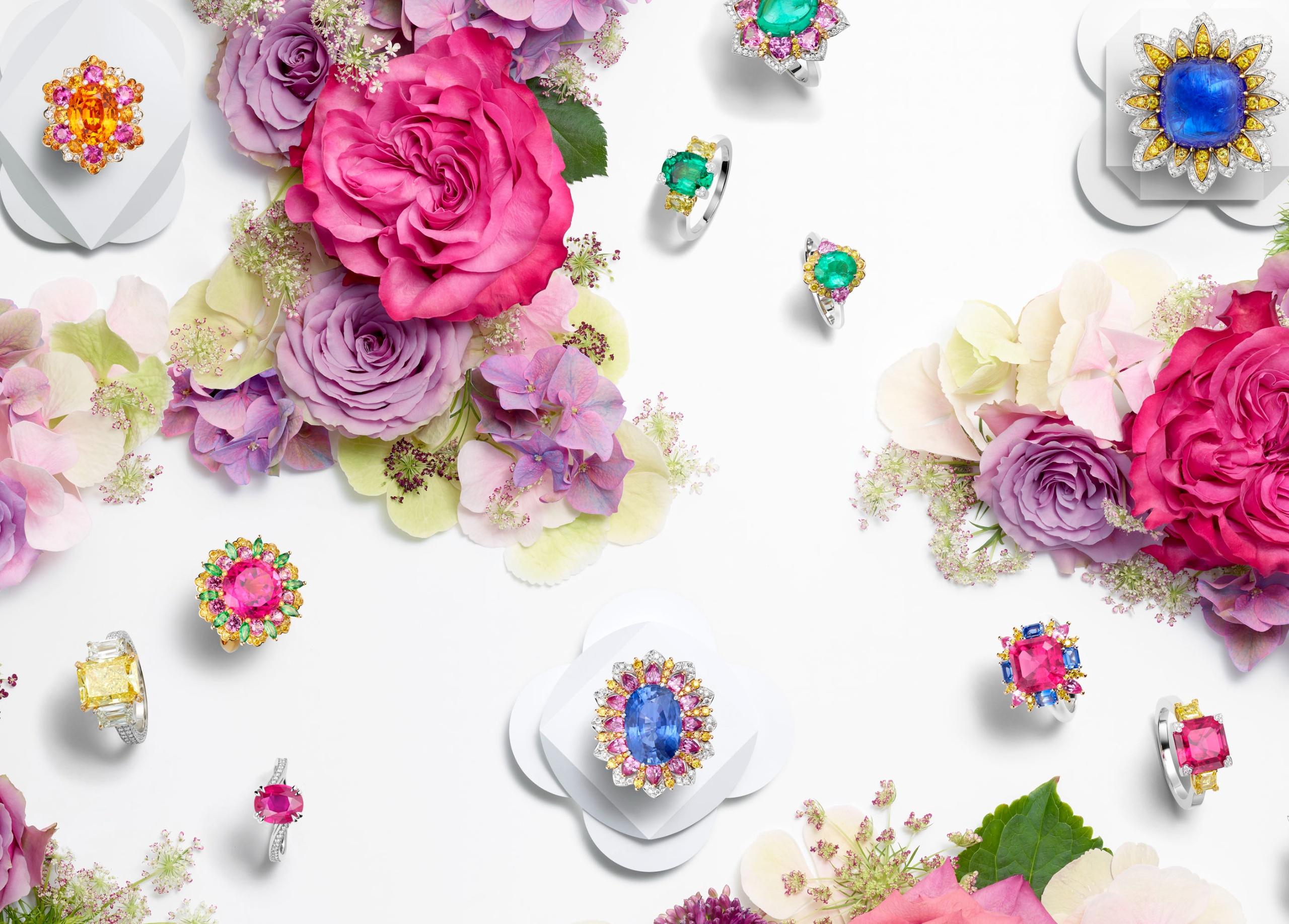
Chopard Caroline’s Garden: A Personal Vision In Full Bloom
Chopard’s Caroline’s Garden transforms nature into high jewellery through bold gemstones, innovative settings and a deeply personal creative vision
READ MORE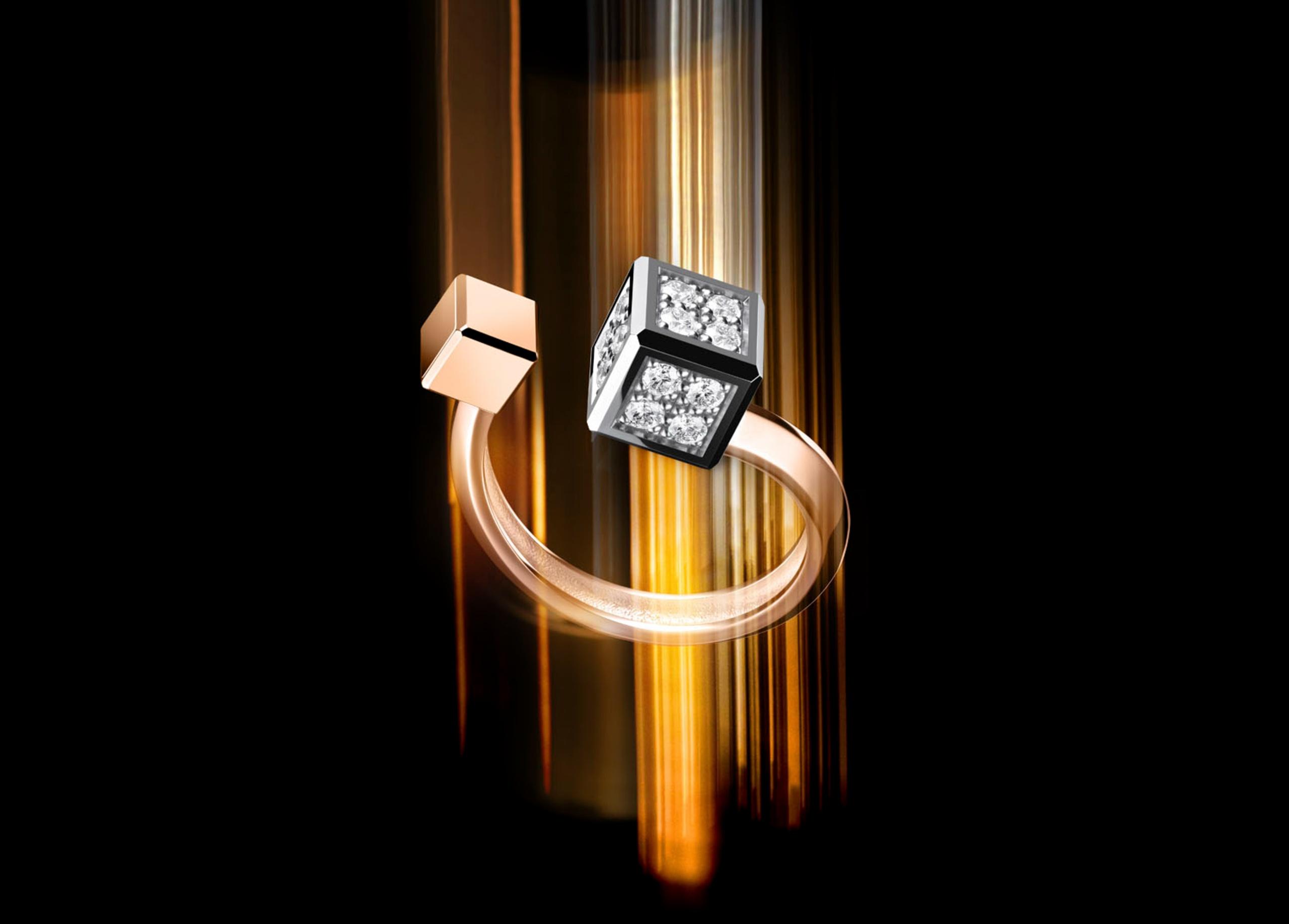
FINE JEWELLERYAPR 23, 2026
Chopard Ice Cube ‘Be Cube’: A Shift in How the Cube Is Seen
Chopard introduces “Be Cube”, a new chapter within its Ice Cube collection, refining the motif into a more sculptural and considered form
READ MORE
HIGH JEWELLERYAPR 25, 2026
Tiffany & Co. Blue Book 2026: Hidden Garden
Tiffany’s Blue Book 2026 collection, Hidden Garden, explores nature through movement and construction, with a more controlled approach to high jewellery
READ MORE



0 Comments
You must be logged in to comment. Click here to login.