






Don't miss a gem
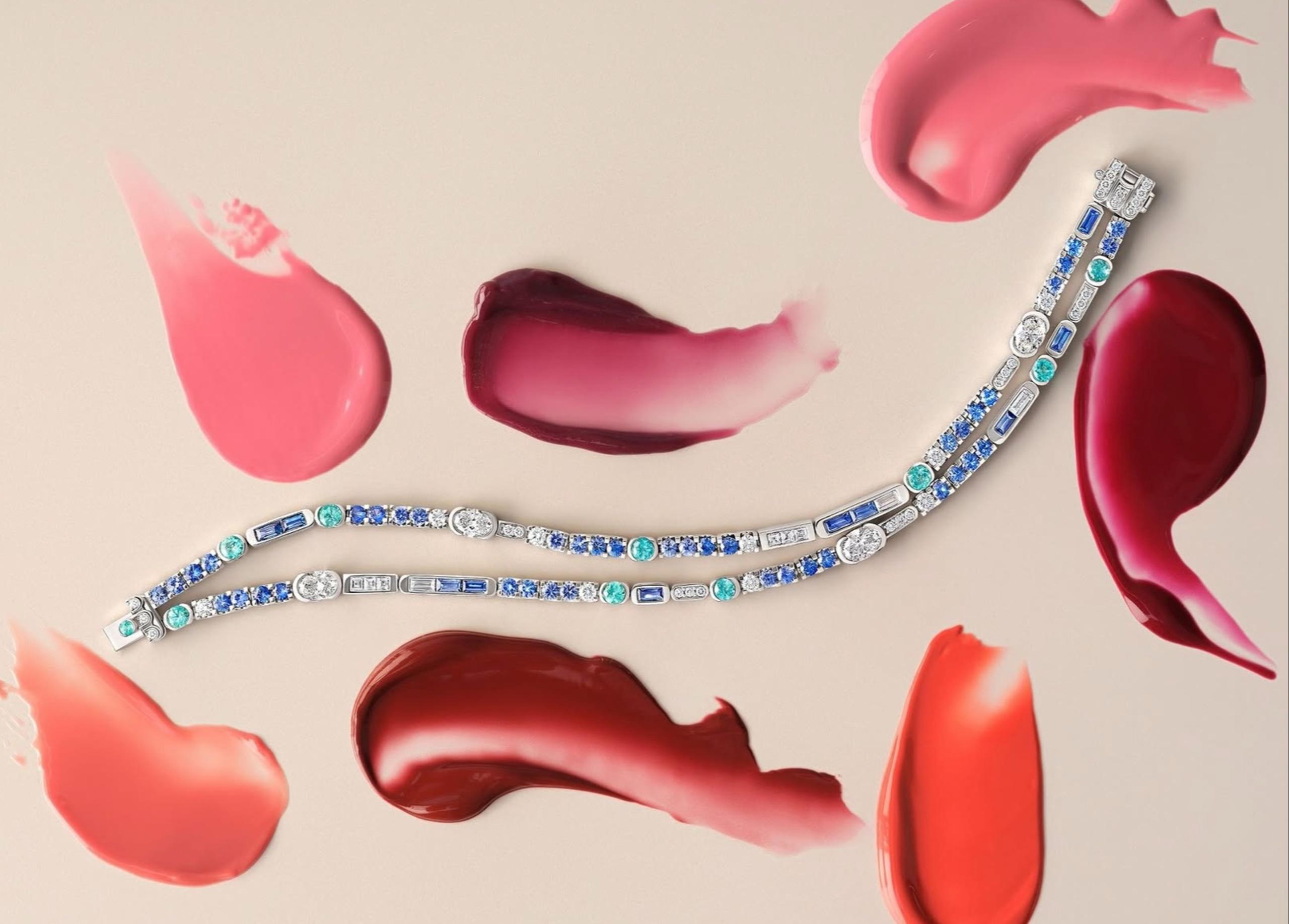
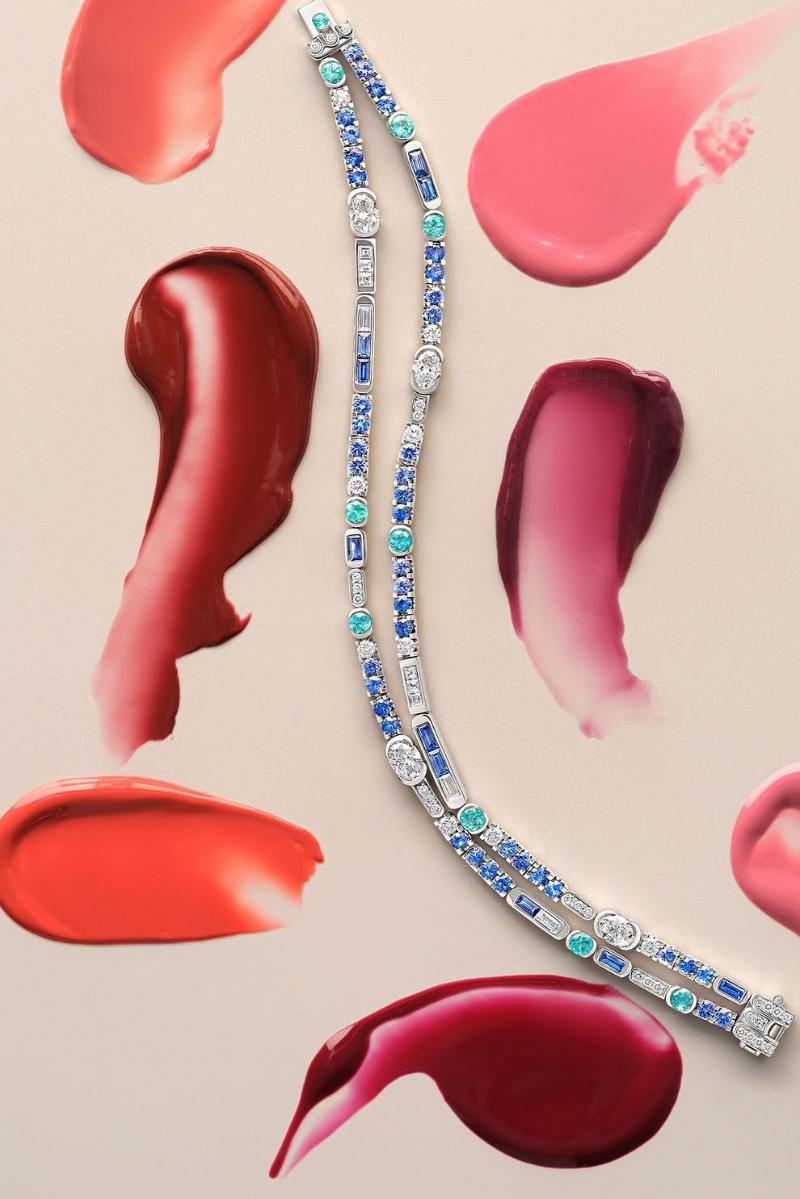
Inspired by masterpieces at the National Gallery, Boodles turns painted light, colour and reflection into diamonds, sapphires and gemstones in its Play of Light collection
Boodles looks to Monet, Renoir, Seurat and Gallen-Kallela, translating the light, colour and movement of their paintings into precious stones and jewellery

There is an obvious connection between painting and jewellery that has little to do with subject matter. Both depend on light.
For the Impressionists, light could transform water, landscape and colour from one moment to the next. For a jeweller, that transformation happens through the surface of a diamond, the colour of a sapphire or the lustre of precious metal.
It is this connection that sits behind Boodles’ Play of Light.
Part of the British jeweller’s collaboration with the National Gallery, the collection looks beyond simply reproducing famous paintings in miniature. Instead, Boodles has taken individual details from works in the Gallery and translated them through gemstones, diamond cuts, colour and composition.
The result asks an interesting question: what happens when a jeweller tries to capture something as difficult to hold onto as light?
The Boodles National Gallery Collection was created to mark 200 years of the National Gallery and is divided into four themes: Play of Light, Perspective, Brushstrokes and Motherhood.
For Play of Light, Boodles turned its attention to paintings in which the treatment of light is particularly important.
The designers were given special access to the Gallery, allowing them to study details within the works at close range before developing their jewellery.
Rather than taking the paintings literally, they looked at how their colours, reflections and patterns could be expressed in precious materials.
The connection between the paintings and the finished jewels began inside the National Gallery itself.
Boodles’ design team was given special access to the Gallery, allowing its designers to study the works and their details at close range. Rather than reproducing complete paintings, they began looking for smaller elements that could make the transition into jewellery: a dab of colour, a reflection across water, the direction of a brushstroke or a recurring shape.
For Play of Light, the starting point came from the Impressionists and their attempts to capture light as it changed across landscapes and nature.
That presented Boodles with an interesting challenge. How could something captured in paint be recreated through jewellery?
The answer came through the materials themselves.
Diamonds and coloured gemstones naturally react to light, changing as a piece moves on the wearer. Boodles also used gradients of colour, moving from yellow diamonds into white diamonds and from pale blues into deeper shades, to echo the changing tones found within the paintings.
Even the diamond cuts became part of the interpretation.
Rather than simply choosing stones for their colour or value, shape, reflection and movement became part of the design language, allowing details first seen on canvas to find a new form in jewellery.
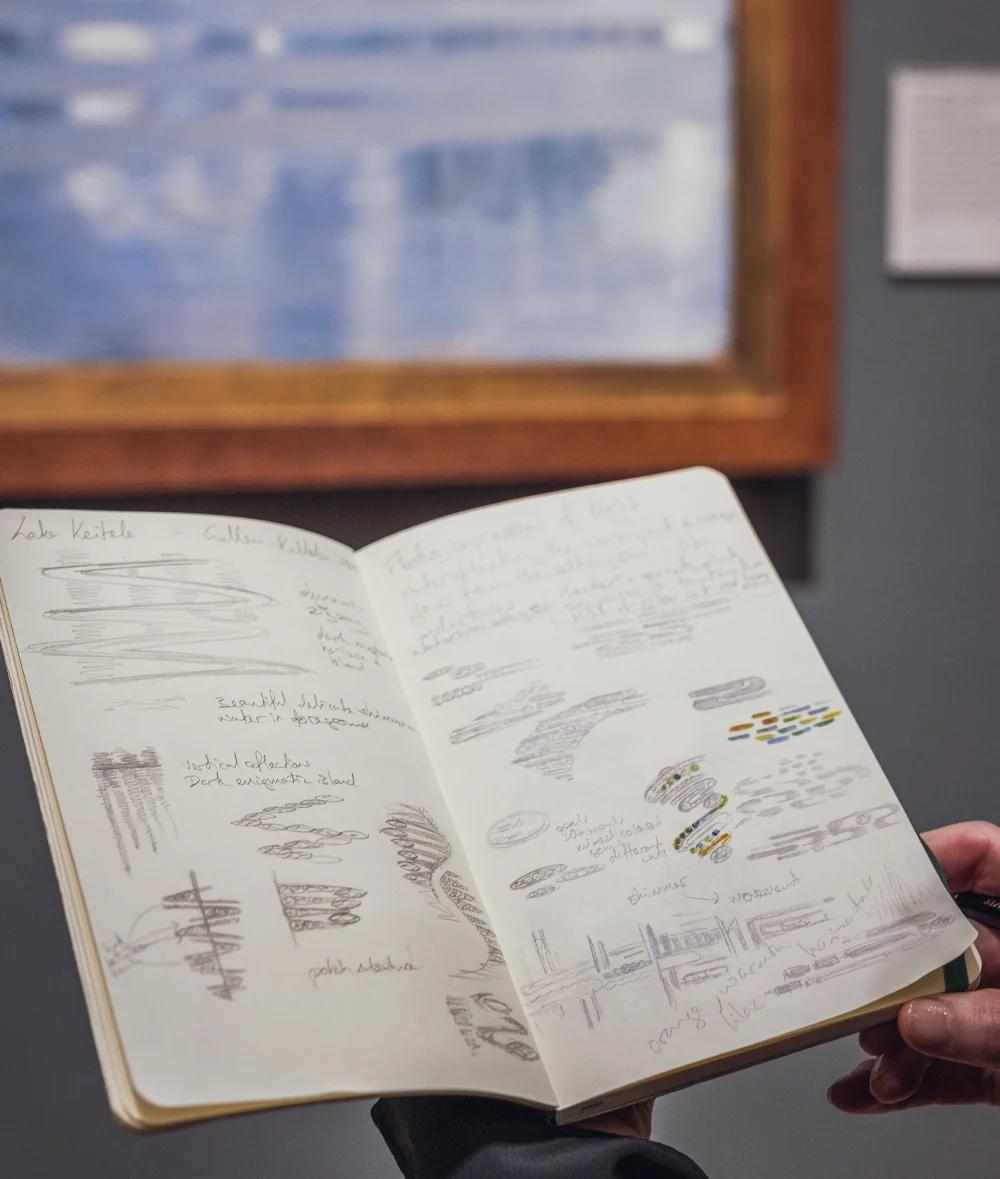
Boodles’ design sketches reveal how details from paintings at the National Gallery were explored and translated into gemstone shapes, colour and jewellery
Claude Monet's Water-Lilies, Setting Sun, painted around 1907, provides perhaps the most natural starting point.
Monet repeatedly painted water because it allowed him to explore something constantly changing. Reflections move. Colours merge. The appearance of the surface changes according to the sky and the light above it.
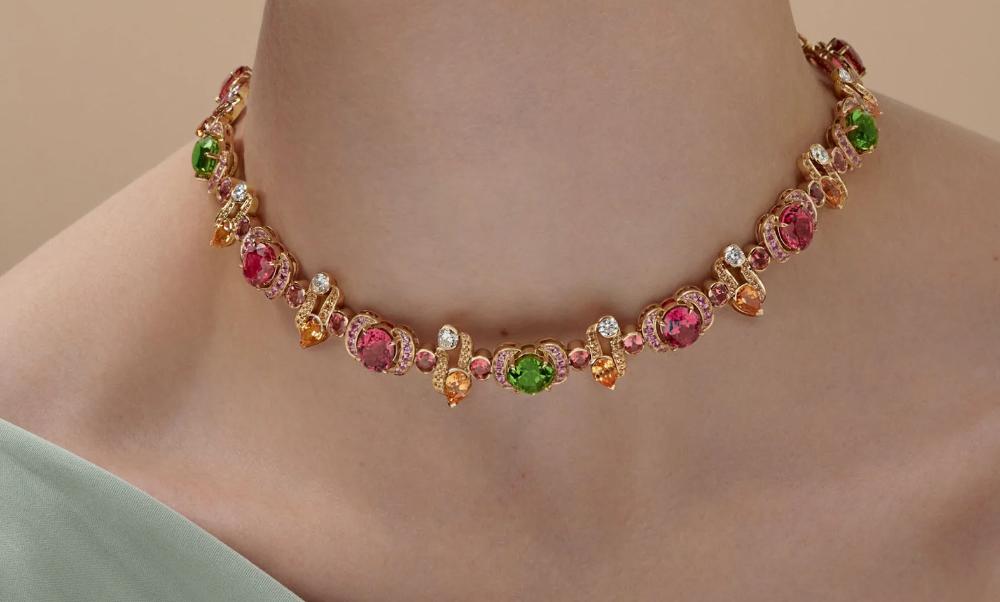
Boodles responds with a multi-gemstone collar and earrings that draw on the tones within the painting.
Here, coloured stones do the work of paint.
Instead of attempting to recreate a water lily or reproduce the composition of the canvas, the jewellery concentrates on colour and the changing effects created as different gemstones catch the light.
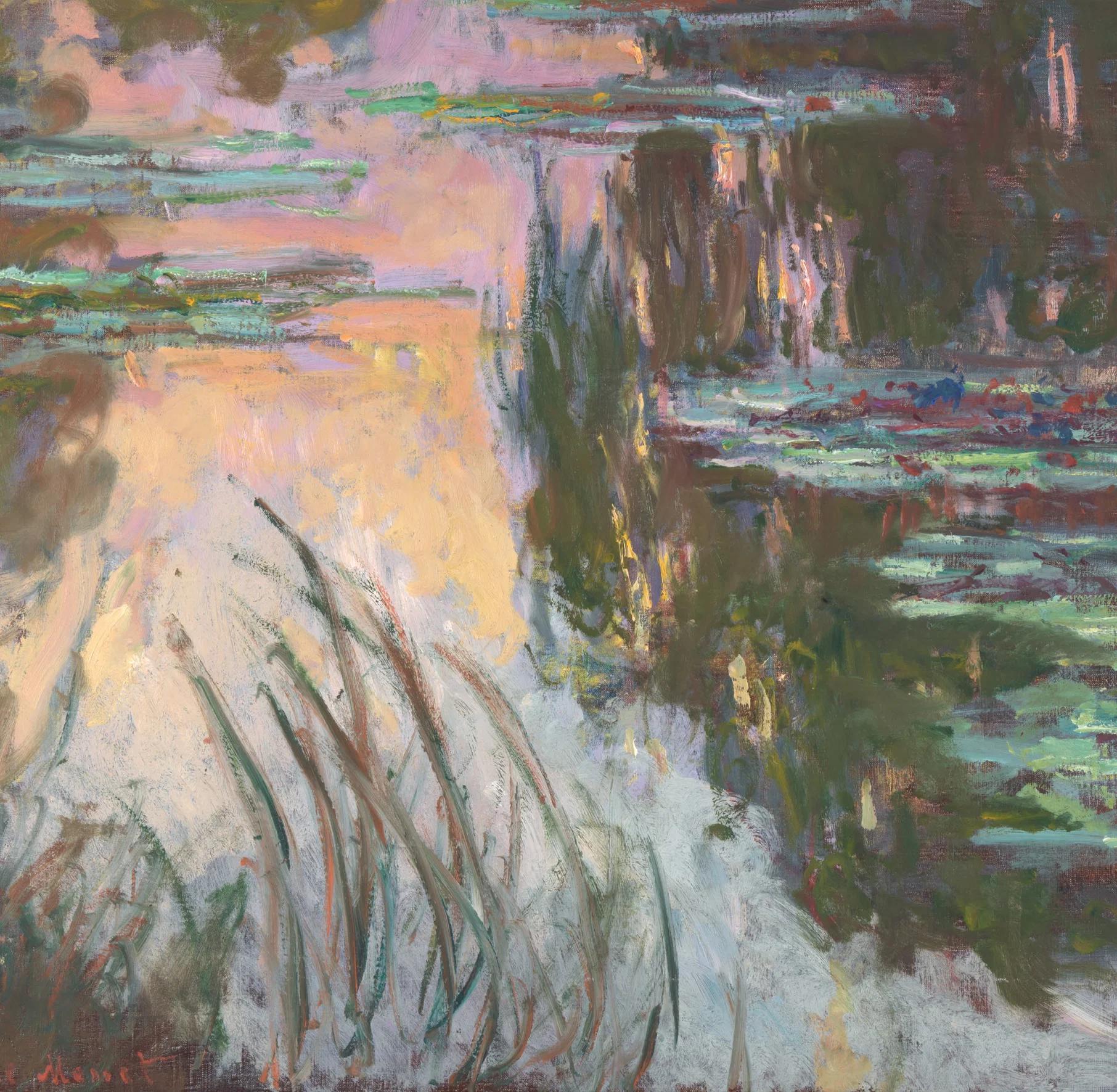 Claude Monet, 1840-1926, Water-Lilies, Setting Sun (detail), about 1907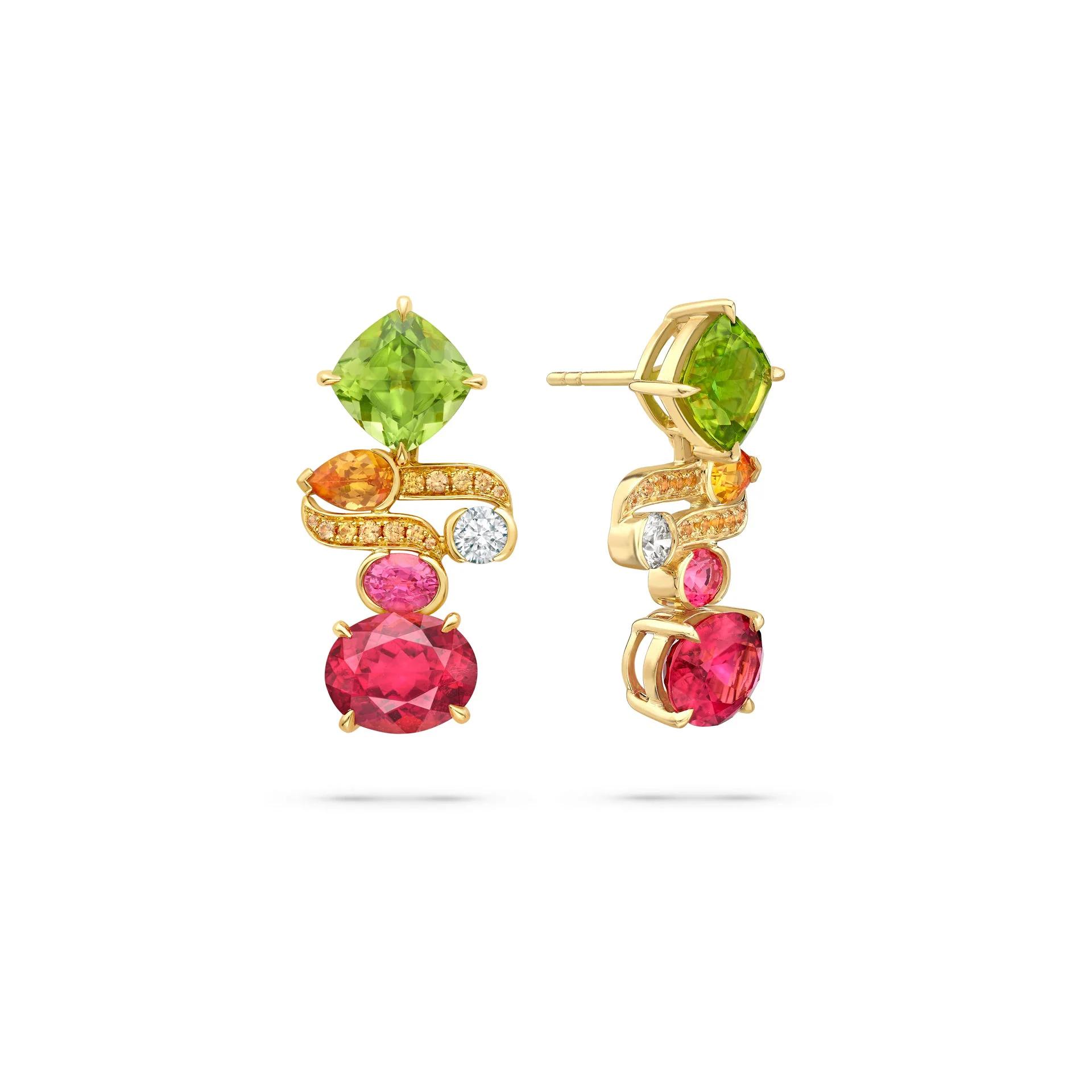
A very different interpretation comes from Akseli Gallen-Kallela's Lake Keitele of 1905.
One of the painting's most recognisable features is the repeated zigzag of light running across the surface of the water.
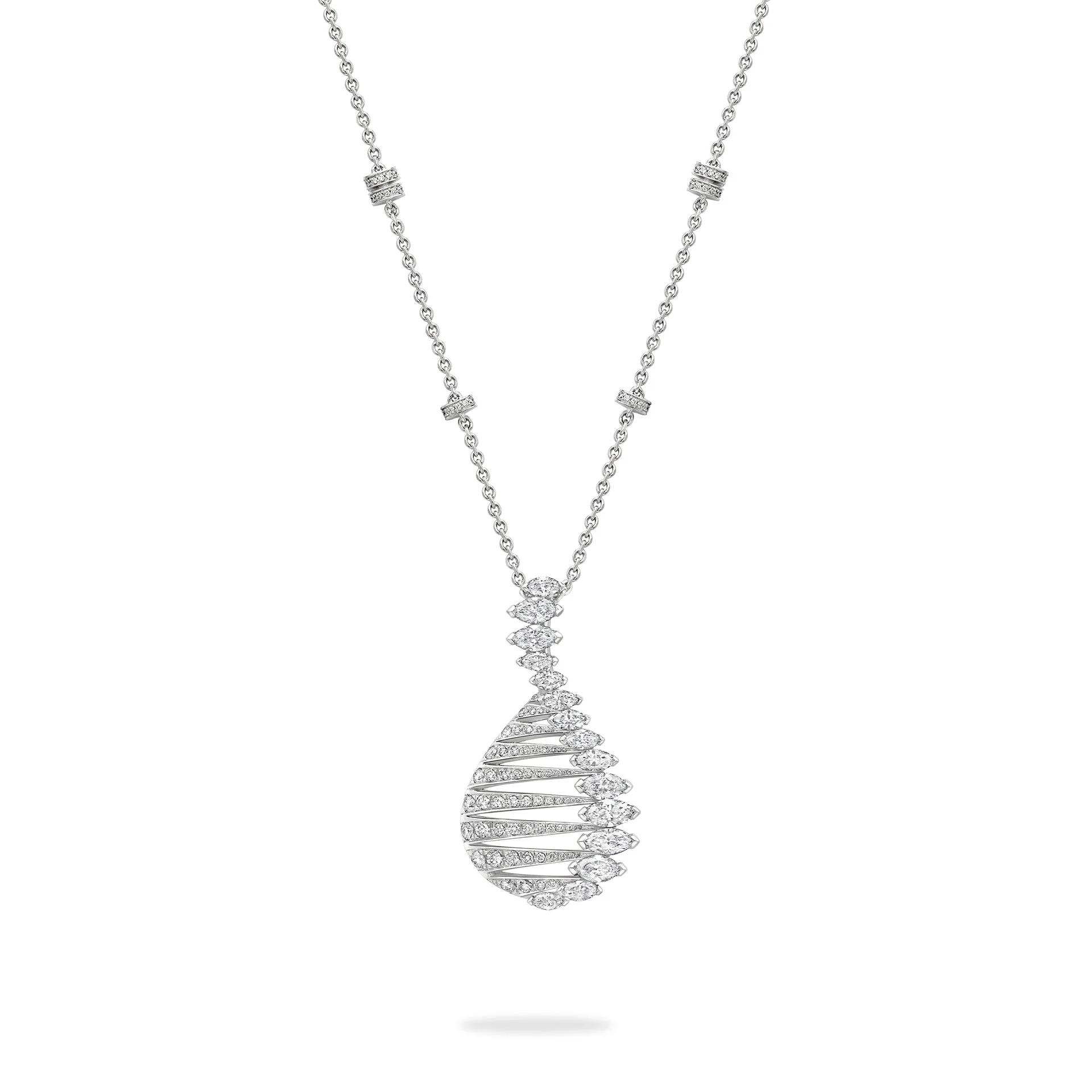
Boodles turns that detail into rows of marquise cut diamonds.
It is a clever translation because the shape of the stones becomes part of the storytelling. The pointed marquise cuts create their own repeating rhythm while their facets produce the flashes of light that the original painting depicts in paint.
The connection is visible without requiring the jewellery itself to become pictorial.

Georges Seurat offers another way of looking at colour.
In The Morning Walk of 1885, separate dabs and areas of colour contribute to the overall image.
Boodles answers with bars of diamonds and sapphires, turning those painted marks into rows of gemstones.
It demonstrates one of the more interesting ideas running through the collection. A gemstone does not necessarily have to represent an object within a painting. It can represent a brush mark, a reflection or simply an area of colour.
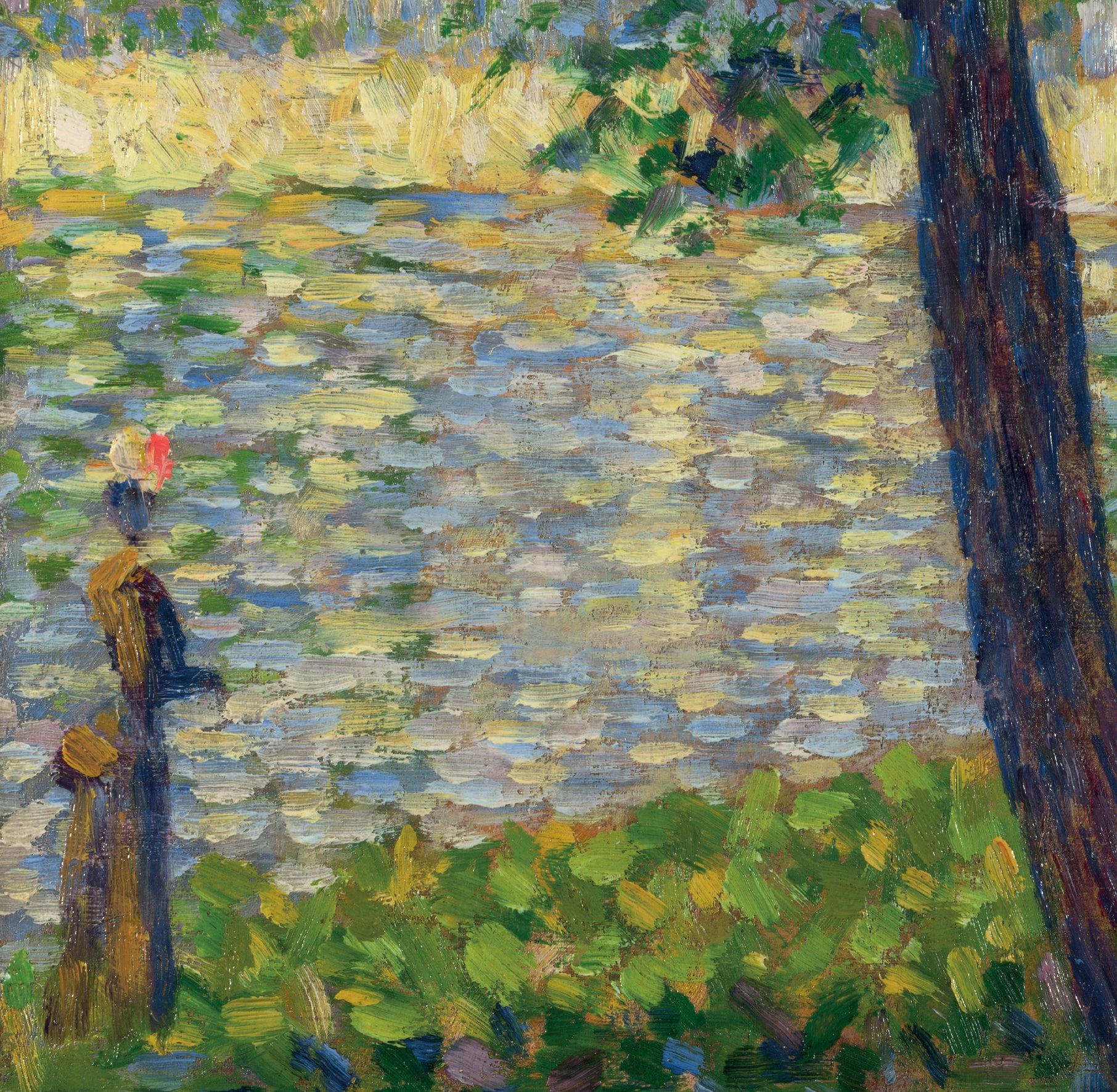
Georges Seurat, 1859-1891The Morning Walk (detail), 1885

Pierre-Auguste Renoir's Moulin Huet Bay, Guernsey, painted around 1883, brings a brighter palette.
Sea blues are interrupted by flashes of yellow light, colours Boodles uses as the starting point for a suite including a bangle, pendant, ring and earrings.
Blue and yellow sapphires sit alongside diamonds, allowing the contrast found in the painting to move into jewellery.
Again, the painting remains the inspiration rather than becoming a template.
That distinction is important.
The pieces still have to work as jewellery.
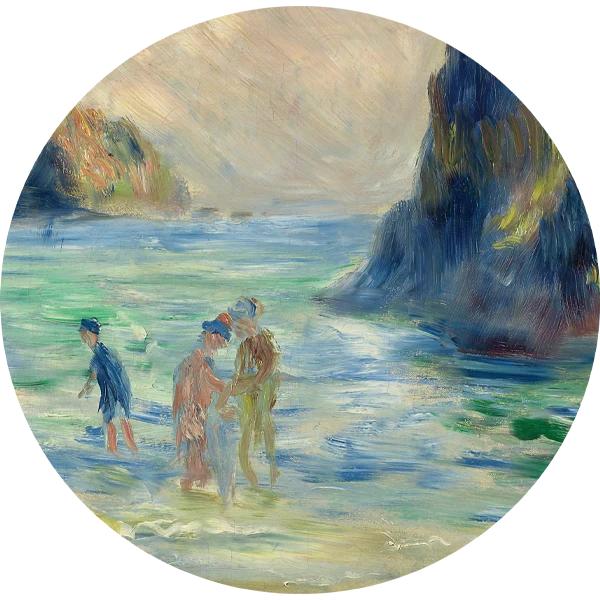
Pierre-Auguste Renoir, 1841–1919, Moulin Huet Bay, Guernsey (detail), about 1883

Art-inspired jewellery can easily become too literal.
A recognisable flower becomes a gemstone flower. A painted figure becomes a brooch. A famous motif is reduced until it fits onto a pendant.
Play of Light takes a different route.
Boodles has concentrated on the visual language behind the paintings: colour, reflection, repetition and movement.
That gives the designers more freedom and, importantly, allows the resulting pieces to exist independently of their references.
Someone may recognise the zigzag reflections of Lake Keitele in a line of marquise diamonds. Someone else may simply see an interesting diamond composition.
Both readings work.

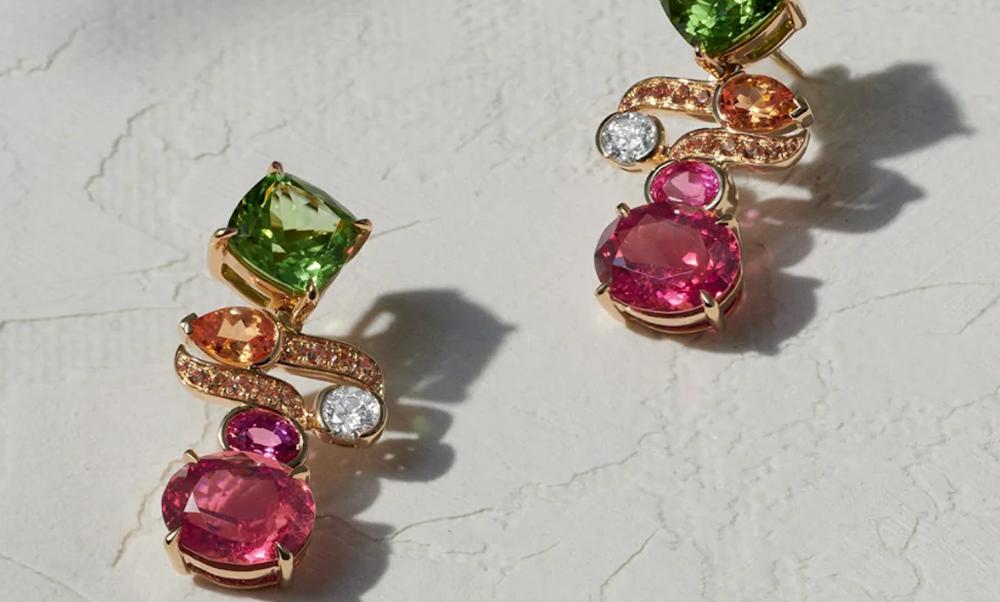
Millie Mackintosh wears Boodles Play of Light earrings and bangle at Royal Ascot, adding a refined sparkle to the British summer season
The breadth of the collection also demonstrates how many different materials can be used to explore a single idea.
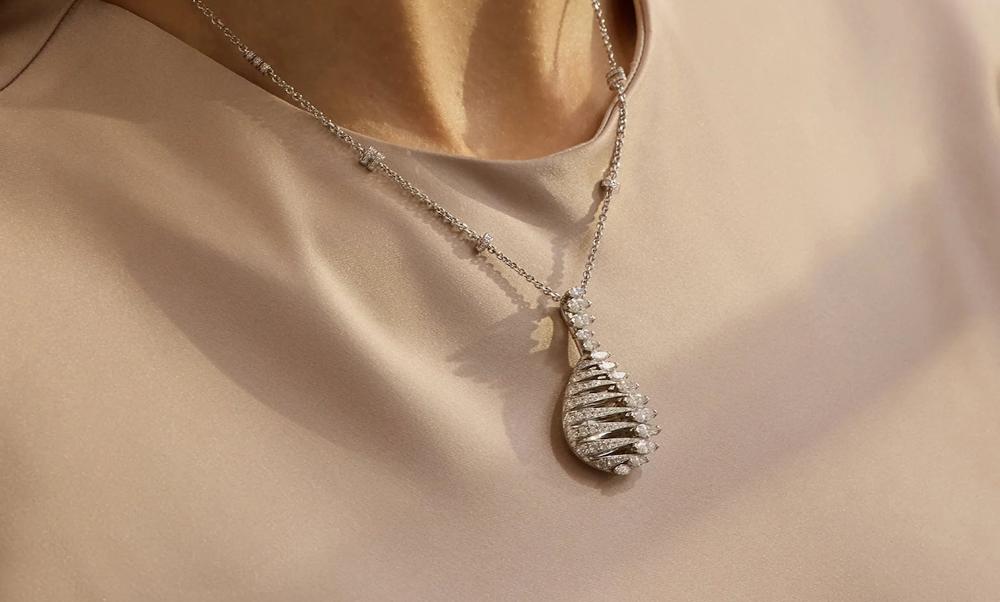
Across Play of Light, Boodles works with diamonds, pink diamonds, sapphires, tsavorites, tourmalines, spinel and mandarin garnet, using platinum alongside rose and yellow gold.
Some pieces are predominantly diamond set. Others rely heavily on colour.
The collection moves from relatively restrained platinum pieces into multi-coloured combinations that feel much closer to a painter's palette.
That variety makes sense when the subject is light itself. Light does not produce one colour, and neither does the collection.

A vibrant gemstone necklace brings together rich colour, sculptural detail and the warmth of yellow gold
The most successful museum collaborations tend to offer more than the placement of a familiar artwork onto another object.
Boodles had access to one of the world's great collections of paintings and could easily have relied on their recognisability.
Instead, Play of Light looks closer.
A reflection across a Finnish lake becomes a row of marquise diamonds. Renoir's flashes of yellow become sapphires. Monet's changing water becomes a collection of coloured gemstones.
The references are there, but they do not overwhelm the jewellery.
And perhaps that is where the connection between the jeweller and painter becomes most convincing.
Monet, Renoir, Seurat and Gallen-Kallela used paint to show what happens when light reaches a surface.
Boodles uses gemstones to make that light happen again.
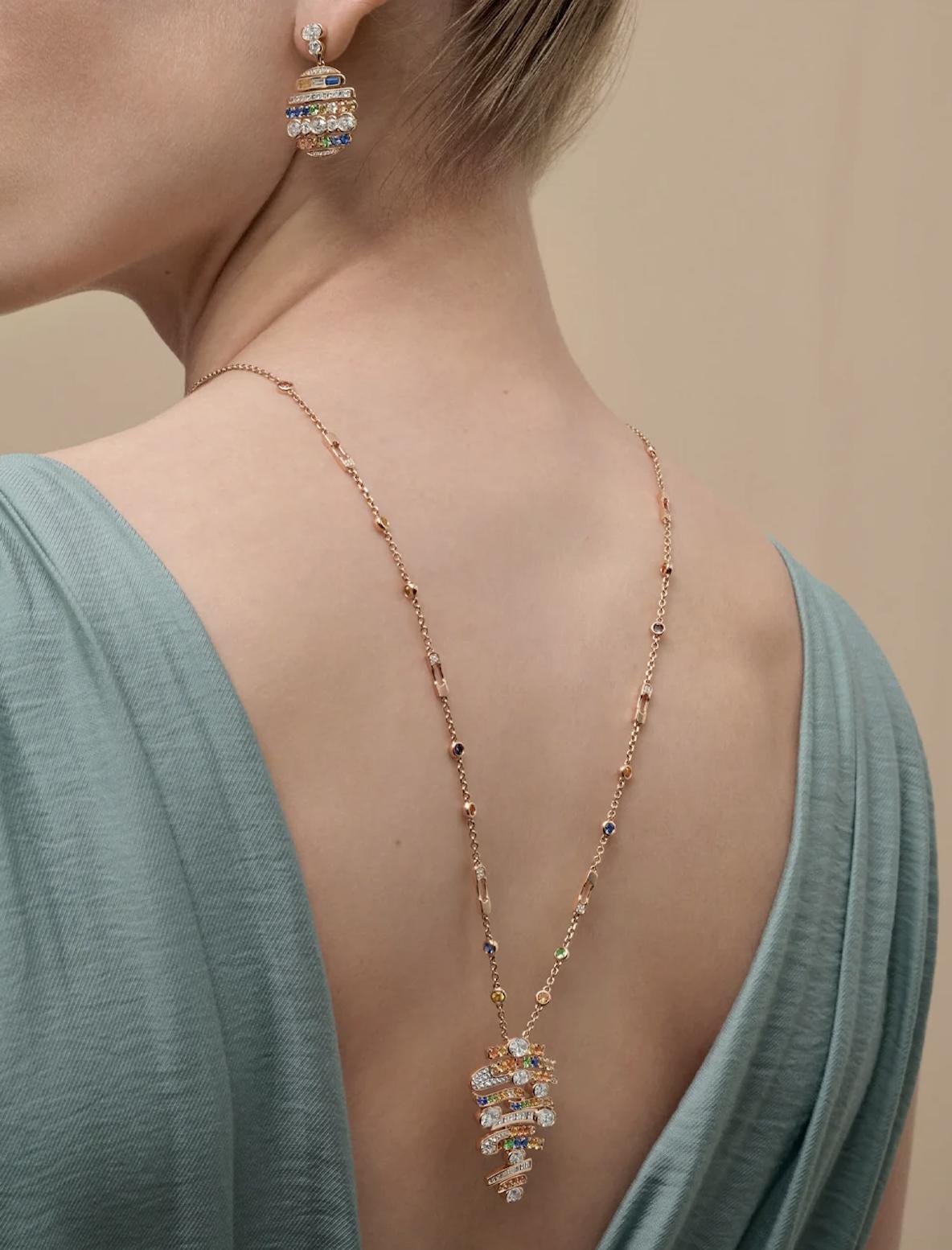
Boodles Play of Light brings diamonds and vivid colour together in an elegant, light-catching necklace and earring set
The Jewels Club Take
What makes Boodles’ Play of Light interesting is not simply its connection to the National Gallery, but how little it relies on the obvious.
Rather than turning famous paintings into miniature replicas, Boodles looks at the details that make them memorable. The changing colours of Monet’s water, the zigzag reflections across Gallen-Kallela’s Lake Keitele, Seurat’s individual marks of colour and Renoir’s flashes of blue and yellow all become starting points for gemstones, cuts and settings.
It is a more convincing way to bring art into jewellery. A row of marquise diamonds can suggest light moving across water without needing to explain itself, while sapphires and coloured gemstones can carry the palette of a painting into something completely different.
The result still feels like Boodles jewellery first. The references are there for those who want to find them, but the pieces do not depend on knowing the paintings to work.
Perhaps that is the cleverest part of Play of Light. Paint captures light on canvas. Boodles has chosen materials that create it for real.
Explore Boodles’ Play of Light collection and discover the jewels inspired by masterpieces from Monet, Renoir, Seurat and Gallen-Kallela at The National Gallery.
Discover the collection at Boodles
Scroll the gallery below to see more
HIGH JEWELLERYAPR 22, 2026
Chopard Caroline’s Garden: A Personal Vision In Full Bloom
Chopard’s Caroline’s Garden transforms nature into high jewellery through bold gemstones, innovative settings and a deeply personal creative vision
READ MORE
FINE JEWELLERYAPR 23, 2026
Chopard Ice Cube ‘Be Cube’: A Shift in How the Cube Is Seen
Chopard introduces “Be Cube”, a new chapter within its Ice Cube collection, refining the motif into a more sculptural and considered form
READ MORE
HIGH JEWELLERYAPR 25, 2026
Tiffany & Co. Blue Book 2026: Hidden Garden
Tiffany’s Blue Book 2026 collection, Hidden Garden, explores nature through movement and construction, with a more controlled approach to high jewellery
READ MORE







0 Comments
You must be logged in to comment. Click here to login.